Traffic management plans for highway works: what to include
What a traffic management plan needs to explain for highway works, from the site layout and road-user safety to permits, sequencing and authority coordination.
At a glance
| Plan element | What to show | Confirm with |
|---|---|---|
| Worksite and stages | Limits, equipment, access and each changed layout | Site team and authority |
| Road users | Vehicle route, pedestrian route and accessible passage | Authority and competent designer |
| Permissions | Permit, notice or agreement interfaces | Street authority and asset owner |
| Supervision | Checks, change control and responsible contact | Contractor and site lead |
A traffic management plan shows how a highway worksite will be set up, protected and changed during the work. It must fit the location, method and road users. A generic drawing is not enough. The authority, contractor and site team need to see the layout, its limits and how each stage will stay safe.
The plan is one part of a wider approval process. It does not by itself grant permission to excavate, reserve road space or satisfy every permit condition. Confirm the street authority’s requirements, the applicable permit or notice process and any local restrictions before fixing the programme. These vary with the authority and site.
Begin with the worksite, not a template
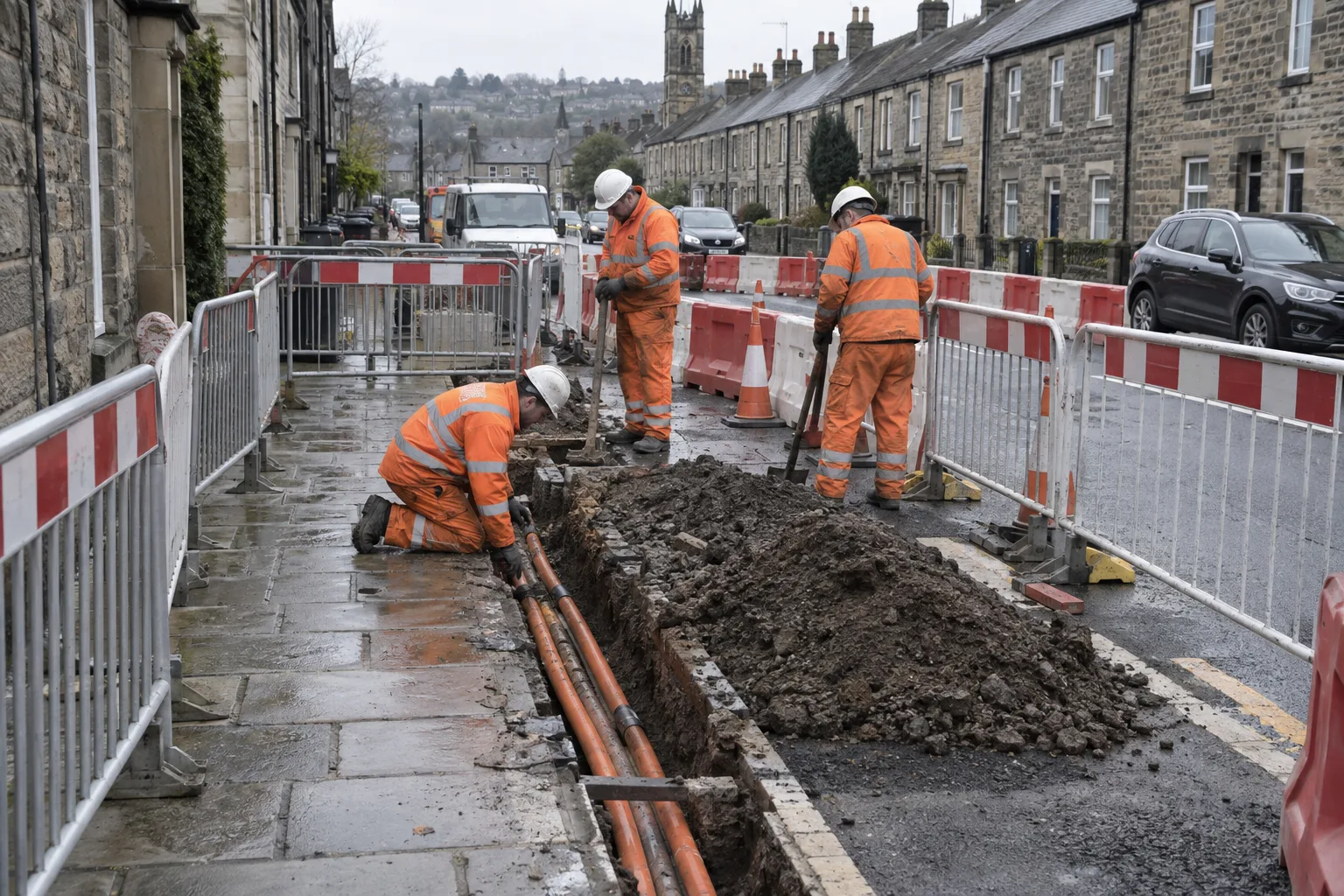
First, describe the work and define its physical limits. Show the road layout, carriageway, footways, accesses, junctions and relevant features that affect visibility or movement. Mark the excavation, plant, materials, barriers and any temporary routes. The arrangement should make clear what space remains available to traffic, pedestrians and other users.
Record the assumptions used to prepare the plan. These may include the work duration, operating hours, vehicle movements, road width, traffic conditions and whether the works are staged. If an assumption changes, revisit the plan instead of relying on a drawing that no longer represents the site.
Identify interfaces with nearby junctions, bus stops, pedestrian crossings, schools, businesses, emergency access and other works. The required level of detail depends on the site. A short footway occupation and a lane closure on a busy route do not have the same risks or traffic effects. The plan should be proportionate but complete enough for the authority and delivery team to assess the real arrangement.
Explain how road users will be protected
The plan should show how the works will be signed, lit and guarded, and how people will move safely around them. The route for pedestrians should be continuous and understandable, with attention to people who may have mobility, vision or other access needs. Where a diversion or crossing point is needed, show where it is and how it connects to the existing route.
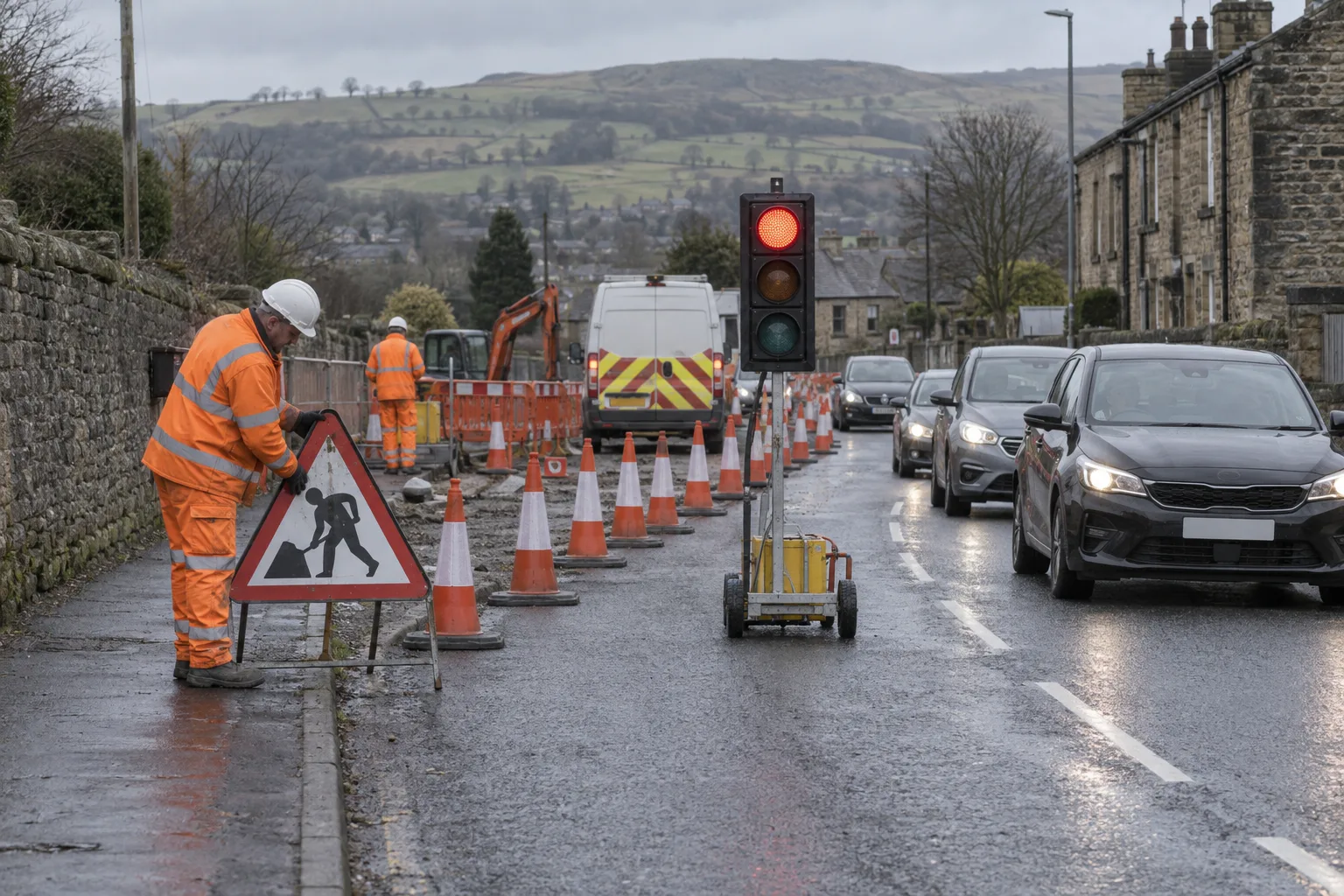
For carriageway works, make the traffic control arrangement clear. Show closures, lane widths where relevant, tapers, signs, signals, barriers and the route through or around the works. State how the arrangement will be installed, checked, maintained and removed. The site team should know who has authority to change it and what checks are expected.
The Department for Transport’s Safety at Street Works and Road Works code of practice provides national guidance on signing, lighting and guarding. Use the current edition and apply it to the worksite, alongside the authority’s requirements and a site-specific risk assessment. A cited code is not a substitute for competent design and supervision.
Show the sequence and the changeovers
A plan that only depicts the first setup leaves unanswered what happens when the work moves. Break the work into stages where traffic management changes, and provide a plan or clear diagram for each materially different arrangement. Explain the transition between stages, including how the team will maintain safe access while signs, barriers or temporary signals are changed.
Connect the traffic plan to the construction method. Identify where plant will enter or leave, how deliveries will be managed, where materials will be stored and how the work area will be protected during loading. If the construction sequence depends on a road closure, temporary signal arrangement or restricted working window, state that dependency clearly.
Coordinate with other contractors and planned works. A separate crew occupying the same route or a nearby junction can change the safe layout and the authority’s decision. Check the relevant coordination process and keep the programme aligned with any permit conditions, embargoes or road-space restrictions communicated by the authority.
Permissions, permits and local conditions
Establish the correct legal and administrative route for the works. Depending on the project, the team may need a street works permit or notice, a Section 50 licence for apparatus, a Section 278 agreement for works to an existing highway, or other permissions. These are not interchangeable. Civcon’s Section 50 guide and Section 278 guide explain two distinct routes.
The plan should be suitable for the authority’s application or coordination process, but submission does not guarantee approval. Authorities can impose conditions or require changes based on the network and local circumstances. Confirm working hours, road-space availability, notice periods and any restrictions directly with the responsible authority. Do not promise a start date until the necessary decisions are confirmed.
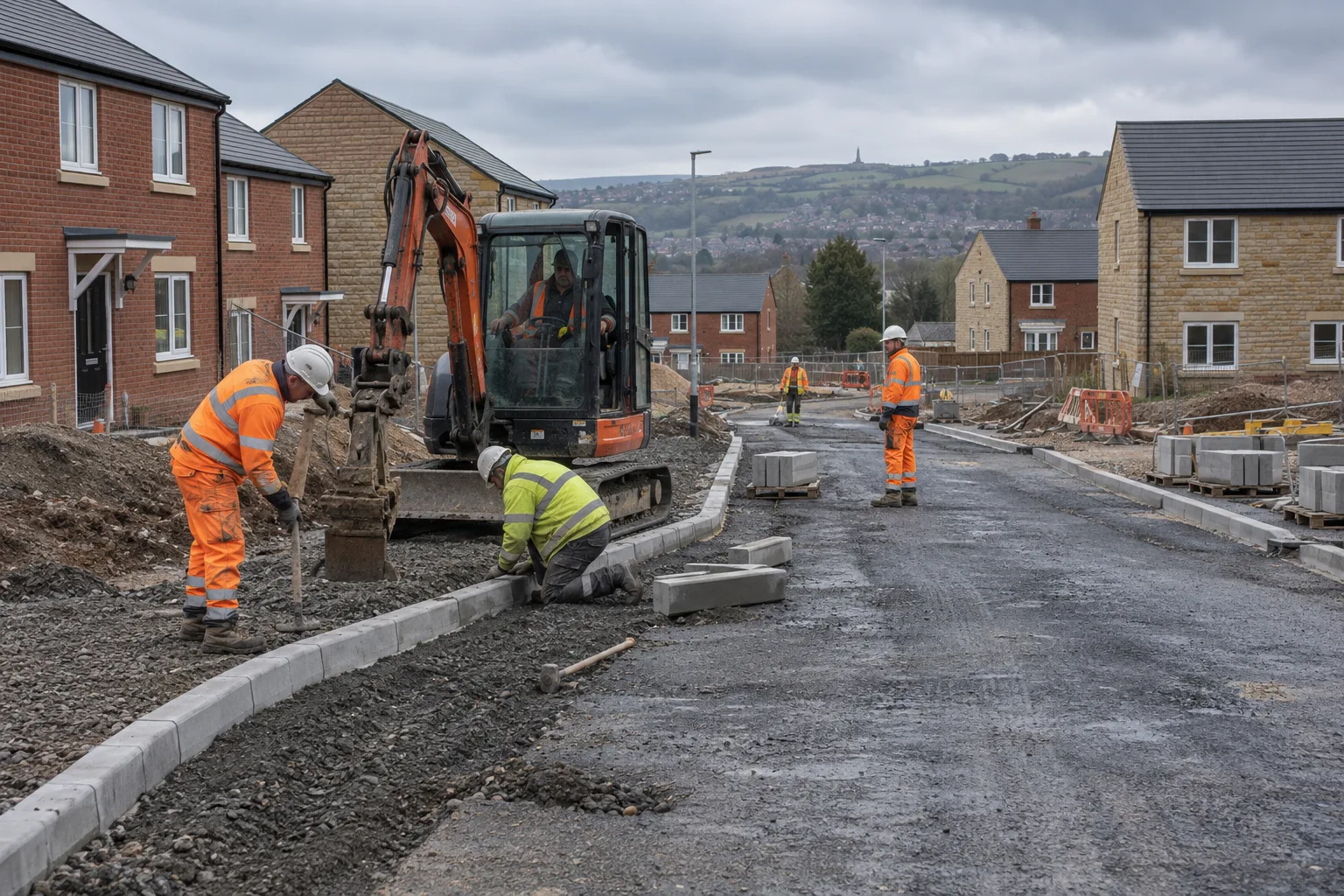
Where works are part of a development, check the interface with the planning condition and highway agreement. A traffic management drawing cannot replace technical approval or an agreement. Ensure the plan reflects the accepted construction sequence and the precise work boundary.
Delivering and supervising the arrangement
Brief everyone who will work in or near the traffic management, including subcontractors and delivery teams. The briefing should cover the approved layout, safe access, emergency arrangements, inspection responsibilities and escalation route if conditions change. Keep the current plan available on site, with revisions clearly identified.
Inspect the setup at the intervals and in the manner required by the applicable code, authority conditions and project arrangements. Record checks and any corrective actions. Weather, traffic behaviour, vandalism, vehicle impact or changed site activity can affect the layout after installation, so active supervision matters throughout the shift.
Do not improvise a change that alters the approved arrangement without checking the required approval and safety process. If the layout cannot be maintained as planned, make the area safe, notify the responsible person and authority as required, and agree a suitable response. The plan should identify who makes that decision.
At the end of each stage, confirm that the next setup is ready before removing the existing protections. Keep a record of stage changes and any incidents or deviations that affect the final arrangement. Close-out includes removing temporary signs and equipment, restoring the highway and confirming any remaining actions.
Information to include in a useful plan
A practical submission normally needs a location plan, a site-specific layout for each stage, a description of the works, the intended dates and hours, pedestrian and vehicle arrangements, signing and guarding details, access and delivery arrangements, and a responsible contact. The authority may ask for additional information. Follow its current checklist and make sure the plan, method statement, risk assessment and permit details agree with one another.
Use legible, scaled drawings where needed, with a clear legend and revision date. Mark dimensions or constraints that are material to the safe arrangement. Avoid relying on colour alone to distinguish routes or stages. If the plan has multiple sheets, label their sequence and show how they relate to the site.
Common reasons a plan needs rework
A generic layout can miss site-specific hazards, nearby junctions or pedestrian desire lines. A drawing that omits stage changes can leave the construction team without a safe transition. Conflicting dates across a plan and permit application can undermine coordination. Unclear ownership of inspections can leave gaps after installation. Finally, a plan that assumes road space is available before the authority confirms it can create programme risk.
Address these issues by checking the drawing on site, aligning it with the method and permit information, assigning a named responsible person and confirming local requirements before mobilisation.
Working with an experienced contractor
When appointing a contractor for highway works, ask who prepares the traffic management proposal, who secures authority approvals and permits, who installs and inspects the arrangement, and how changes are controlled. Confirm the interface between traffic management and the civil works rather than treating them as separate packages with no shared programme.
Civcon’s highways infrastructure service includes traffic management alongside highways construction, drainage, utilities and surfacing. For a scheme discussion, provide the location, scope, authority, proposed dates, drawings and any permit or agreement conditions already received. The work can then be considered against the actual site constraints.
How we approach it
First, walk the site and confirm the work limits, road users and nearby constraints. Then agree the proposed stages with the construction lead and check the authority’s permit or road-space process. Prepare a drawing for each materially different layout, with safe pedestrian and vehicle routes. Link each stage to the method, delivery movements and inspection plan. Before mobilisation, brief the installers and name the person who can stop or change the arrangement. During delivery, record checks and escalate any change that affects the accepted setup.
Use this table to test whether the plan answers the practical questions. Local conditions determine the final design.
Sources and next step
National guidance: Department for Transport, Safety at Street Works and Road Works code of practice. Verify permit, notice, road-space and drawing requirements with the relevant street authority.
Before submitting or mobilising, walk through each work stage against the real site, confirm the correct permissions, check the pedestrian and traffic routes, and assign responsibility for inspection and change control. A plan earns its value when it can be followed safely by the people setting up and working in the street.
Further national reference: the Department for Transport Traffic Signs Manual. Check the current relevant chapter and local authority requirements for the work.