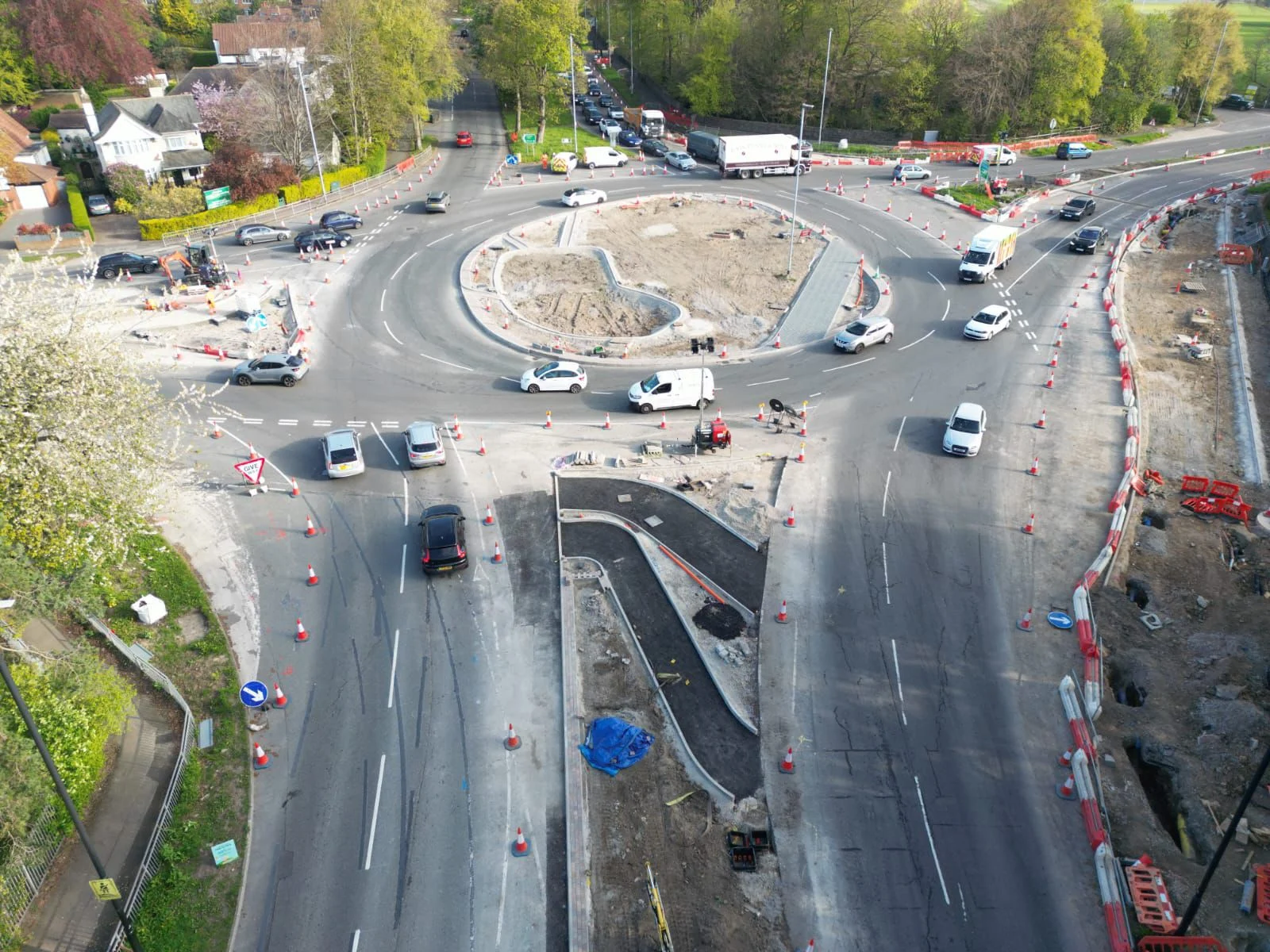
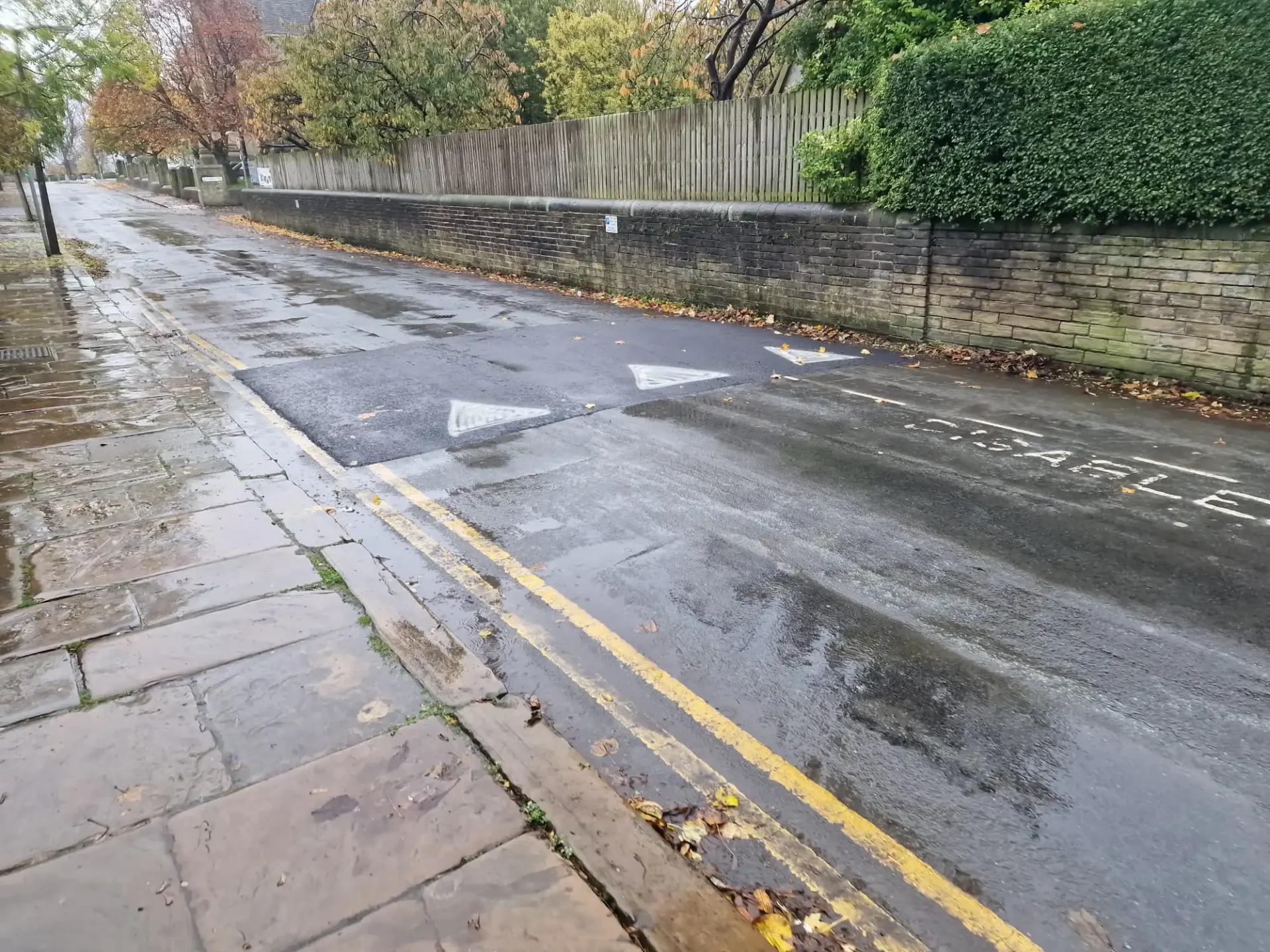
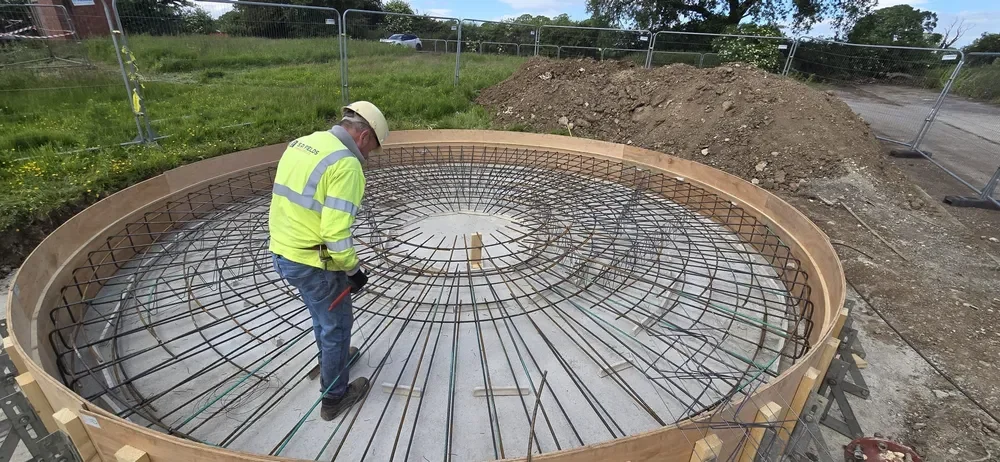
The A6120 at Fink Hill is a busy ring road and it stayed that way throughout this project — which was partly the point, and partly what made it complicated. Leeds City Council needed the carriageway widened, services upgraded, and pedestrian infrastructure improved, all without shutting down a road that couldn’t afford to be shut down.
The scheme was programmed for ten months. It was done in eight.
The Challenge
Working on a live ring road means the job is never just the job. Every decision about when to excavate, where to close lanes, and how to sequence the work has to account for traffic that keeps coming regardless. Underneath that, the ground was full of live utilities — electricity, telecoms, drainage — all of which had to be worked around without interruption. The complexity compounds quickly when you’re dealing with both at once.
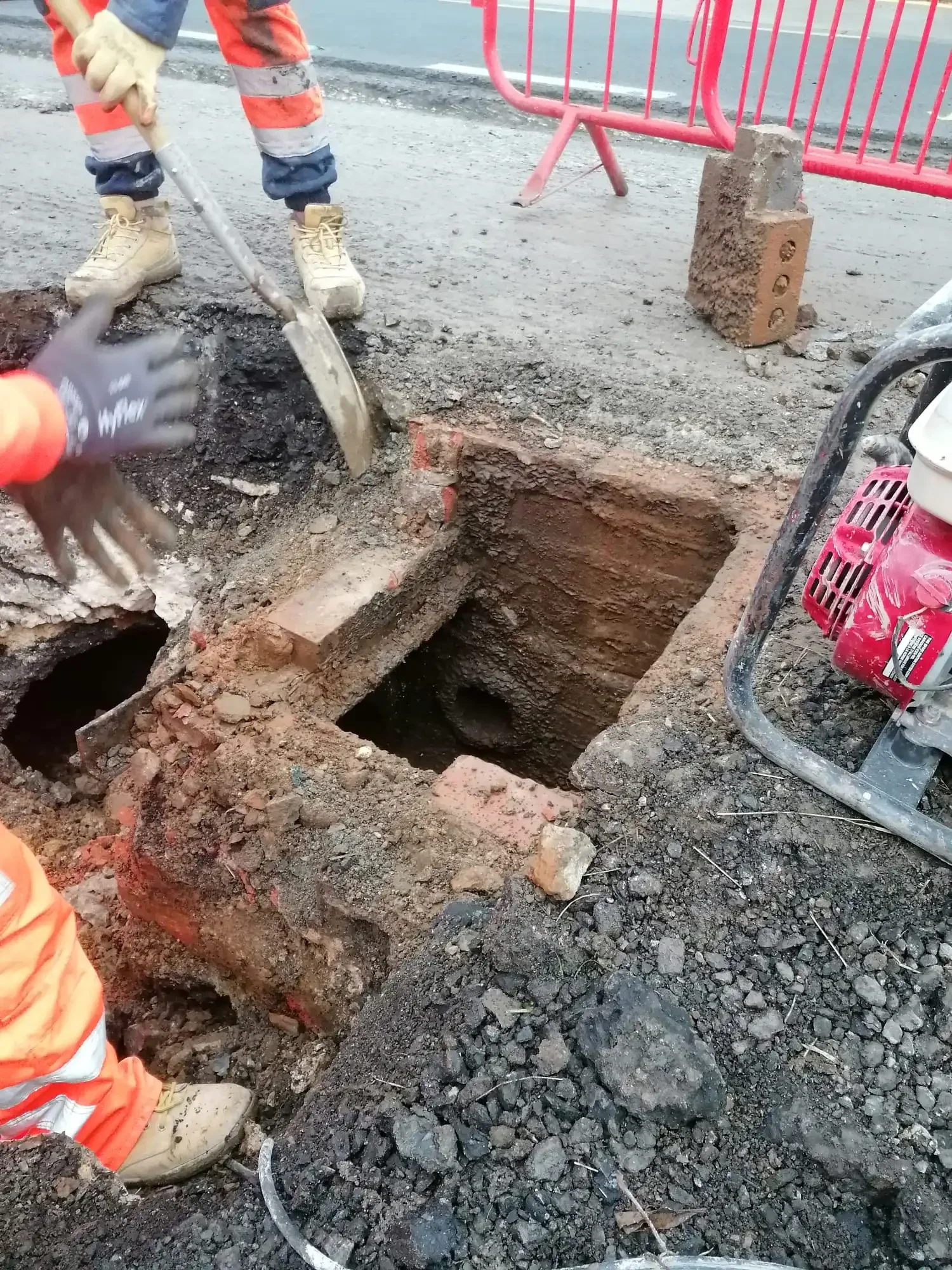
There was also a less obvious risk. Historic drawings flagged the possibility of underground cellars in parts of the excavation area — the kind of thing that doesn’t show up until a machine goes through the surface and suddenly you’re dealing with a void that wasn’t in the plan.
How It Was Done
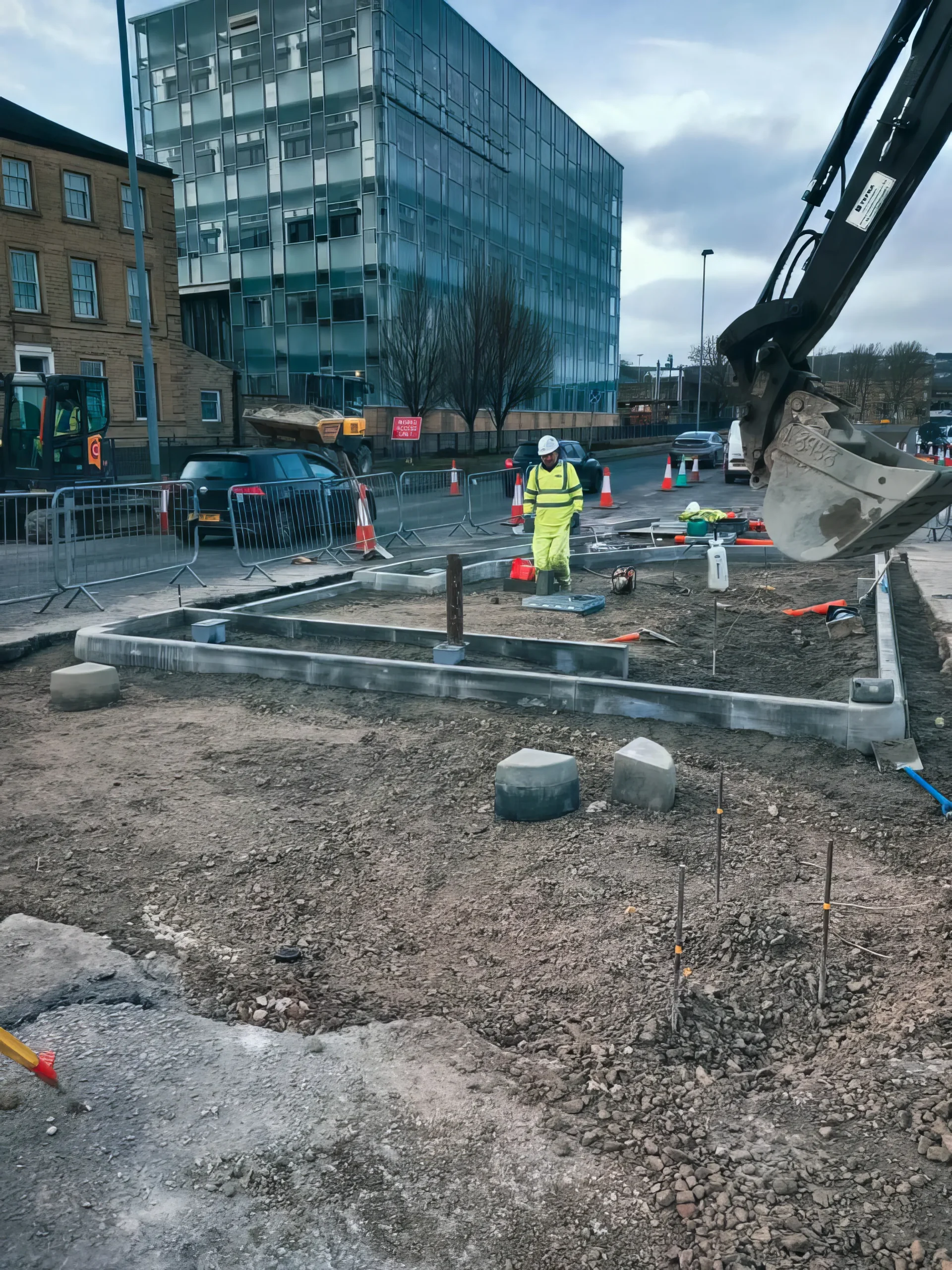
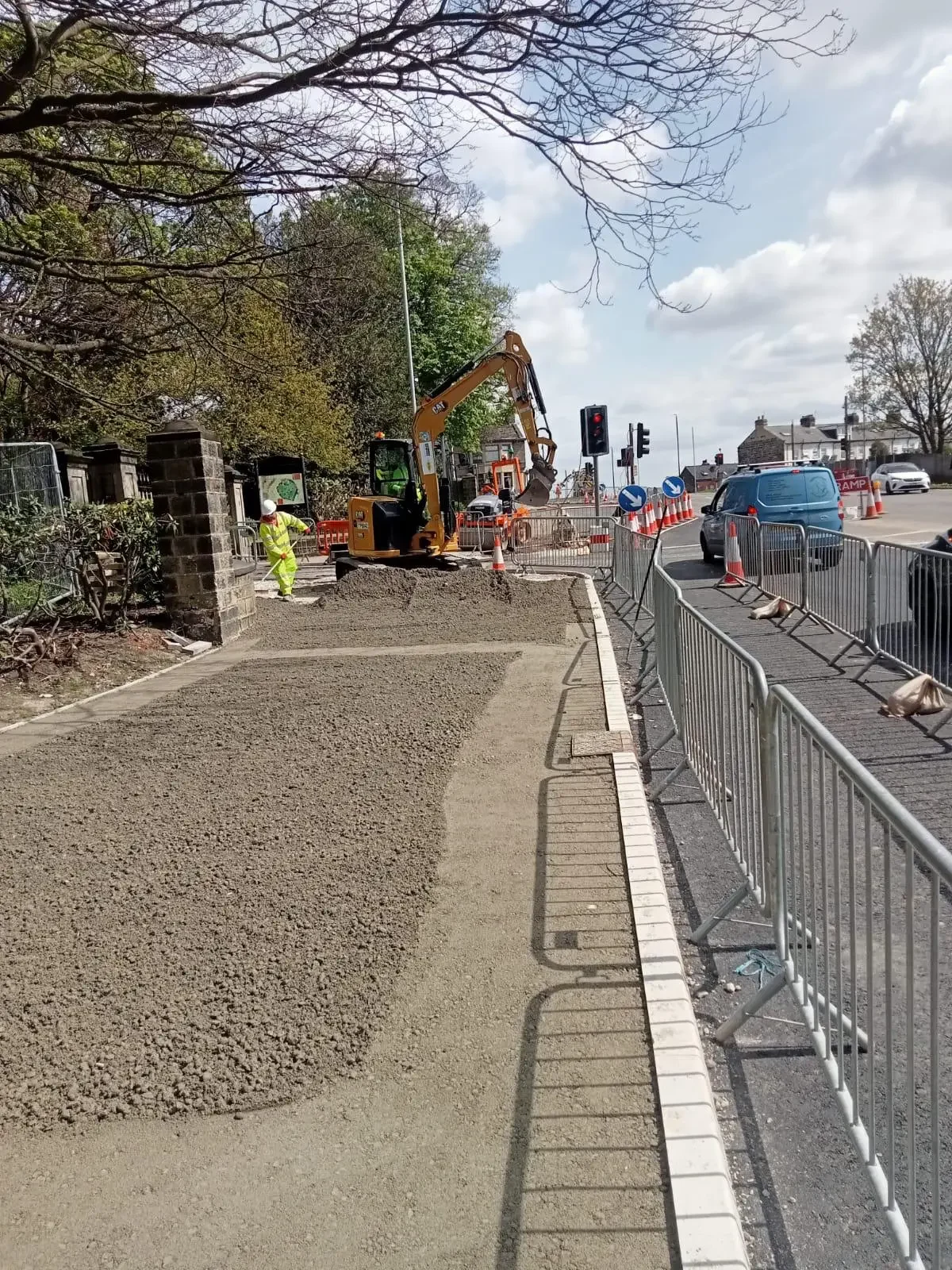
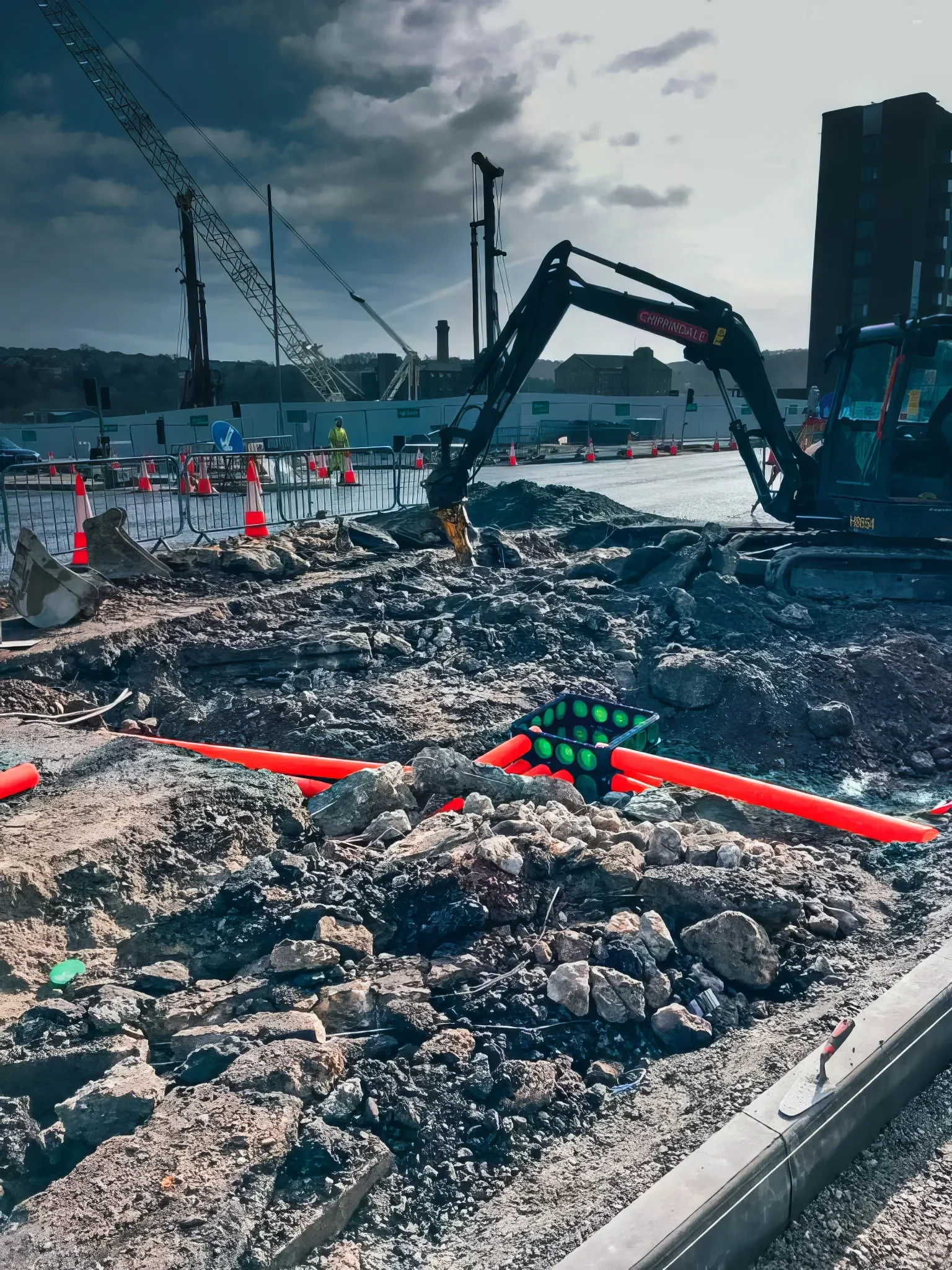
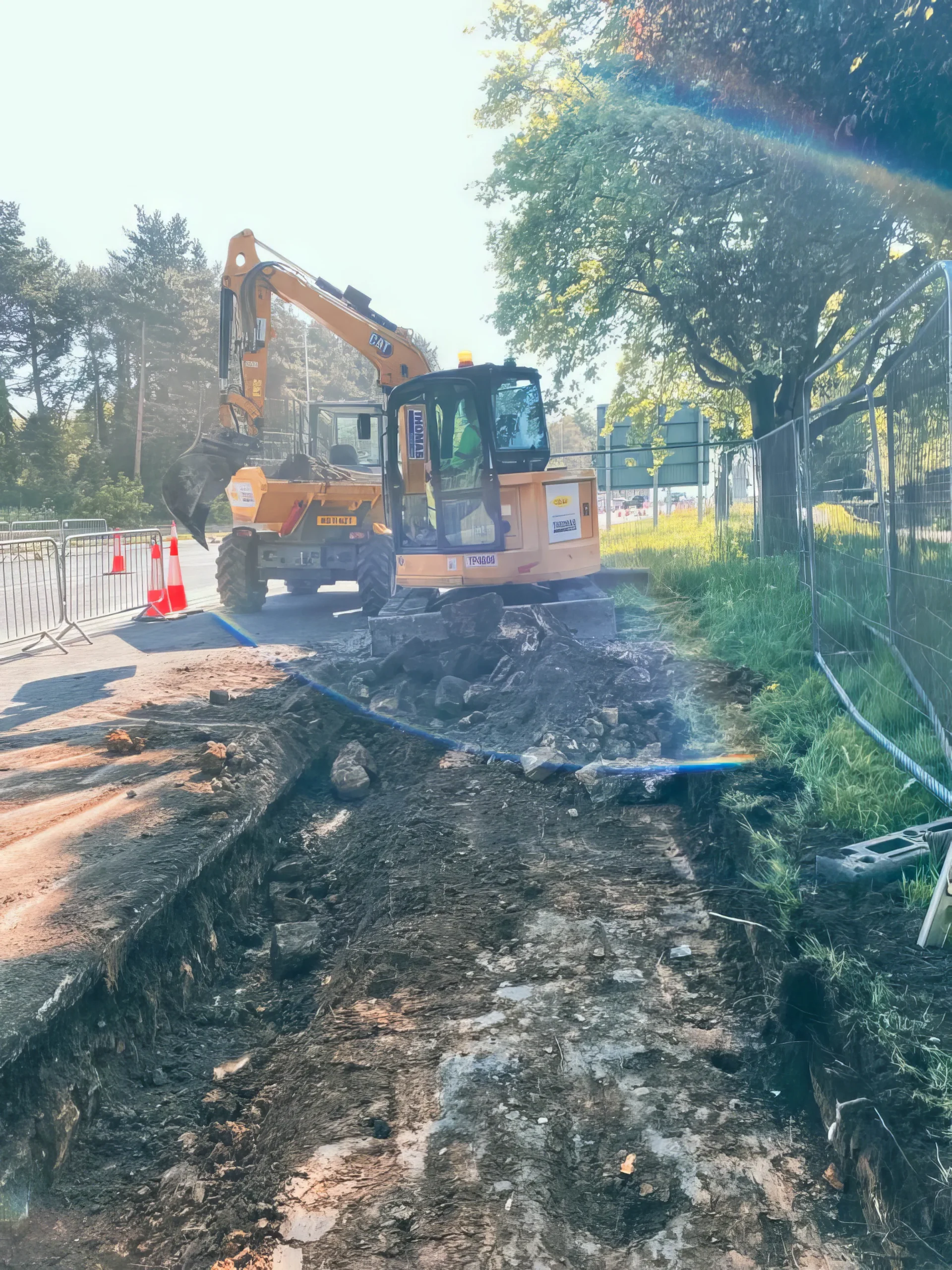
The widening work started with removing the existing kerb line and excavating for the additional lanes. To deal with the utility risk, vacuum excavation was used wherever services were present — it’s slower than conventional digging but it doesn’t damage buried infrastructure, which matters a great deal on a live road where a service strike causes far more disruption than the excavation itself.
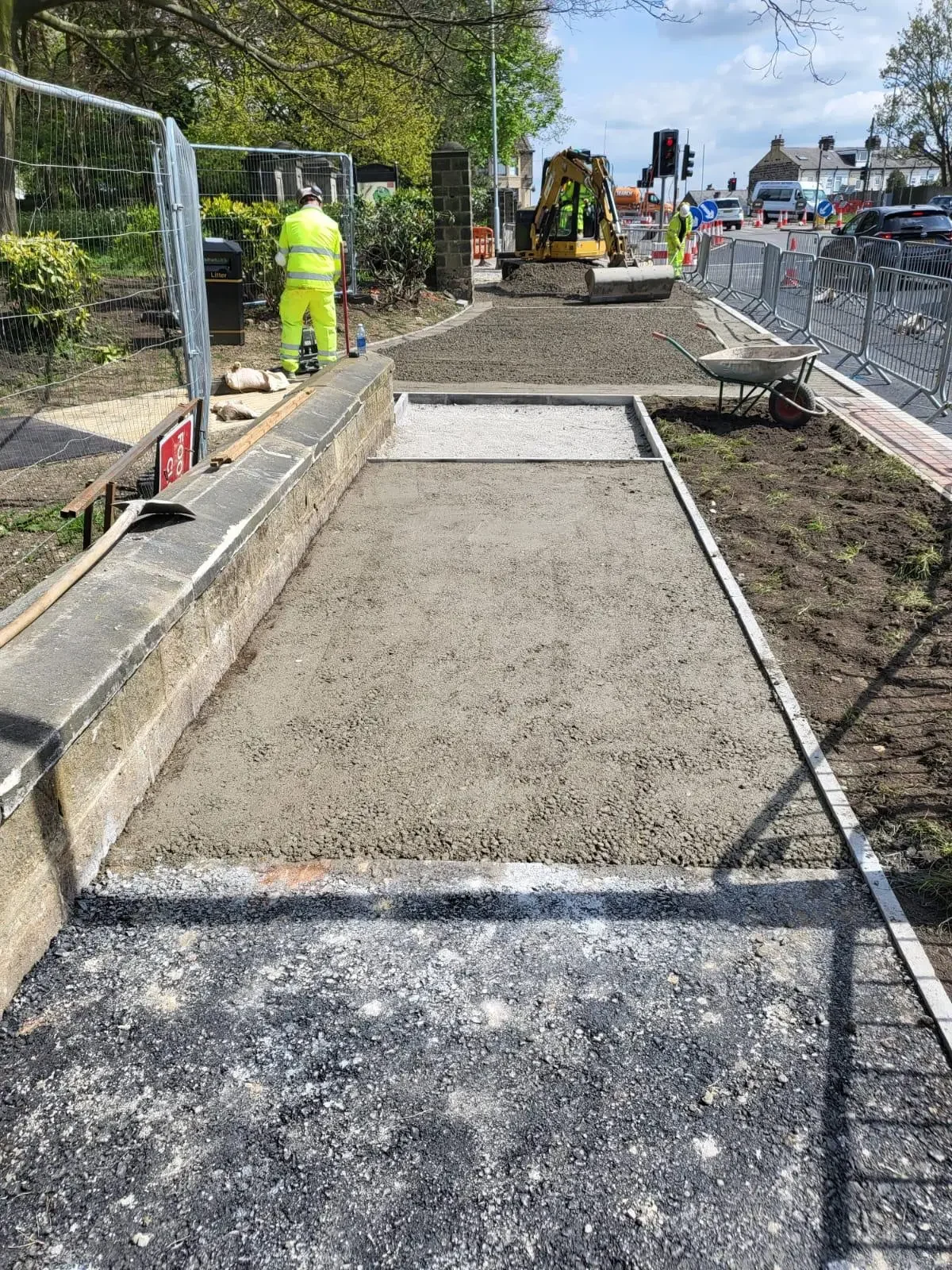
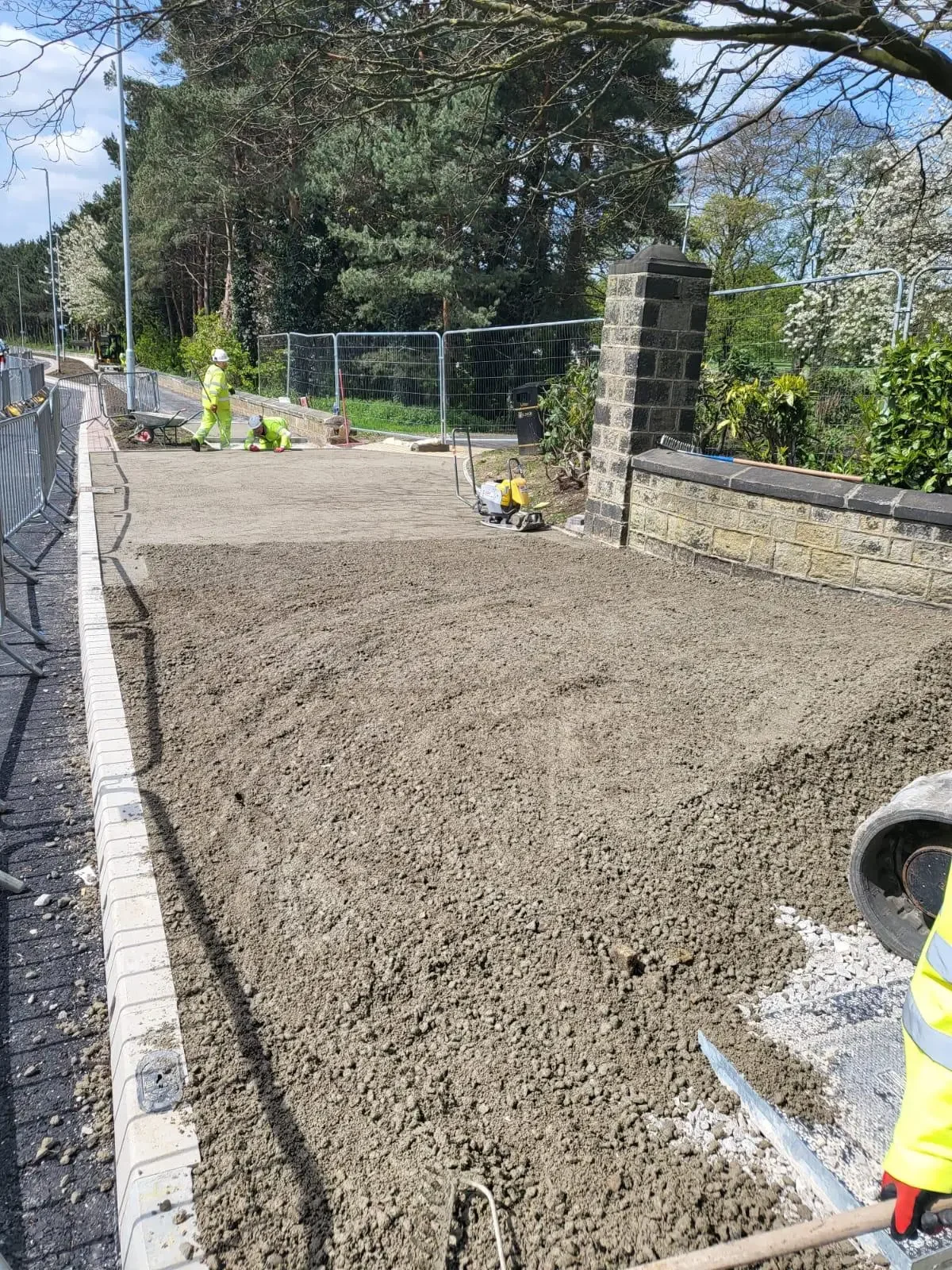
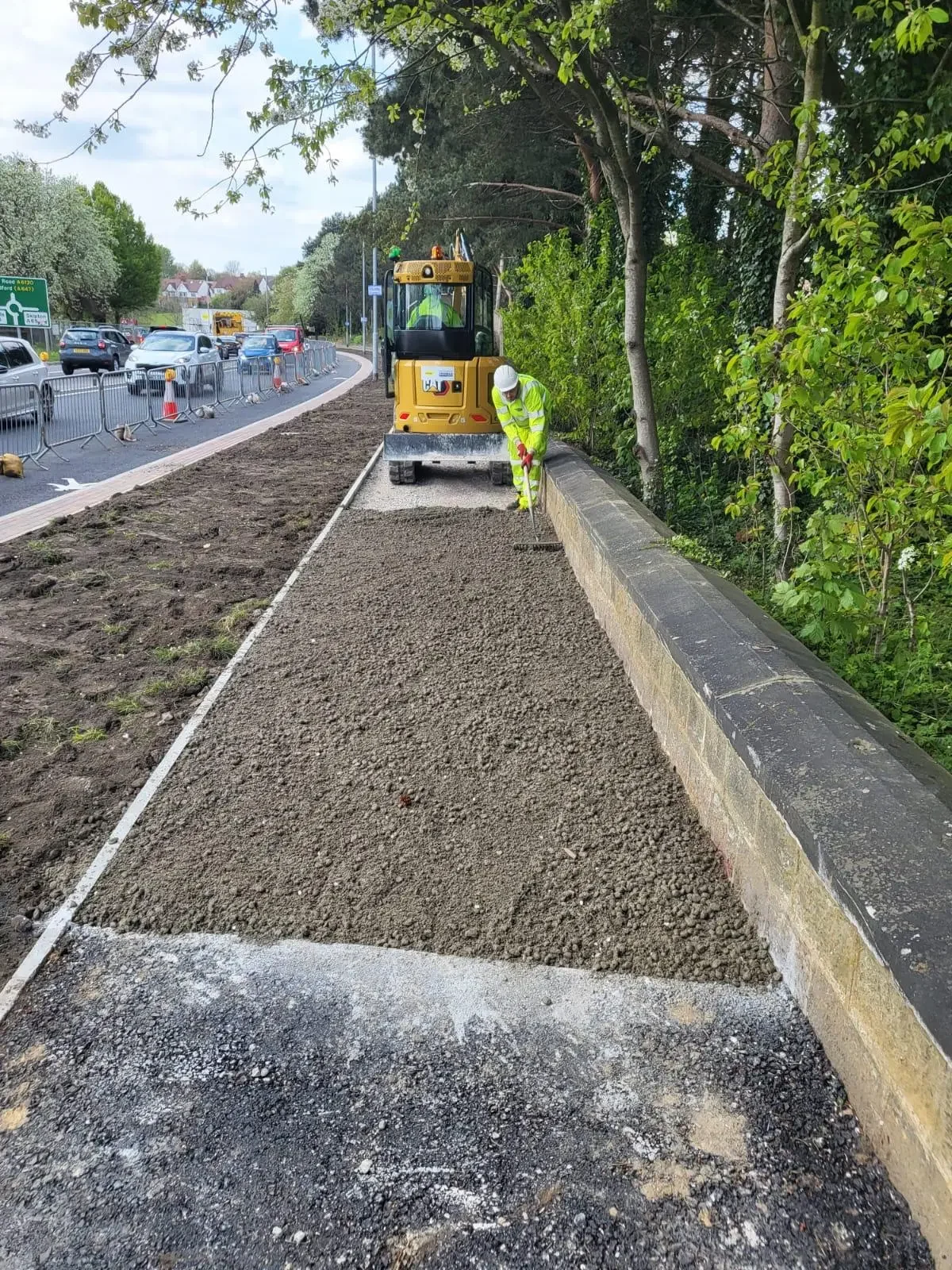
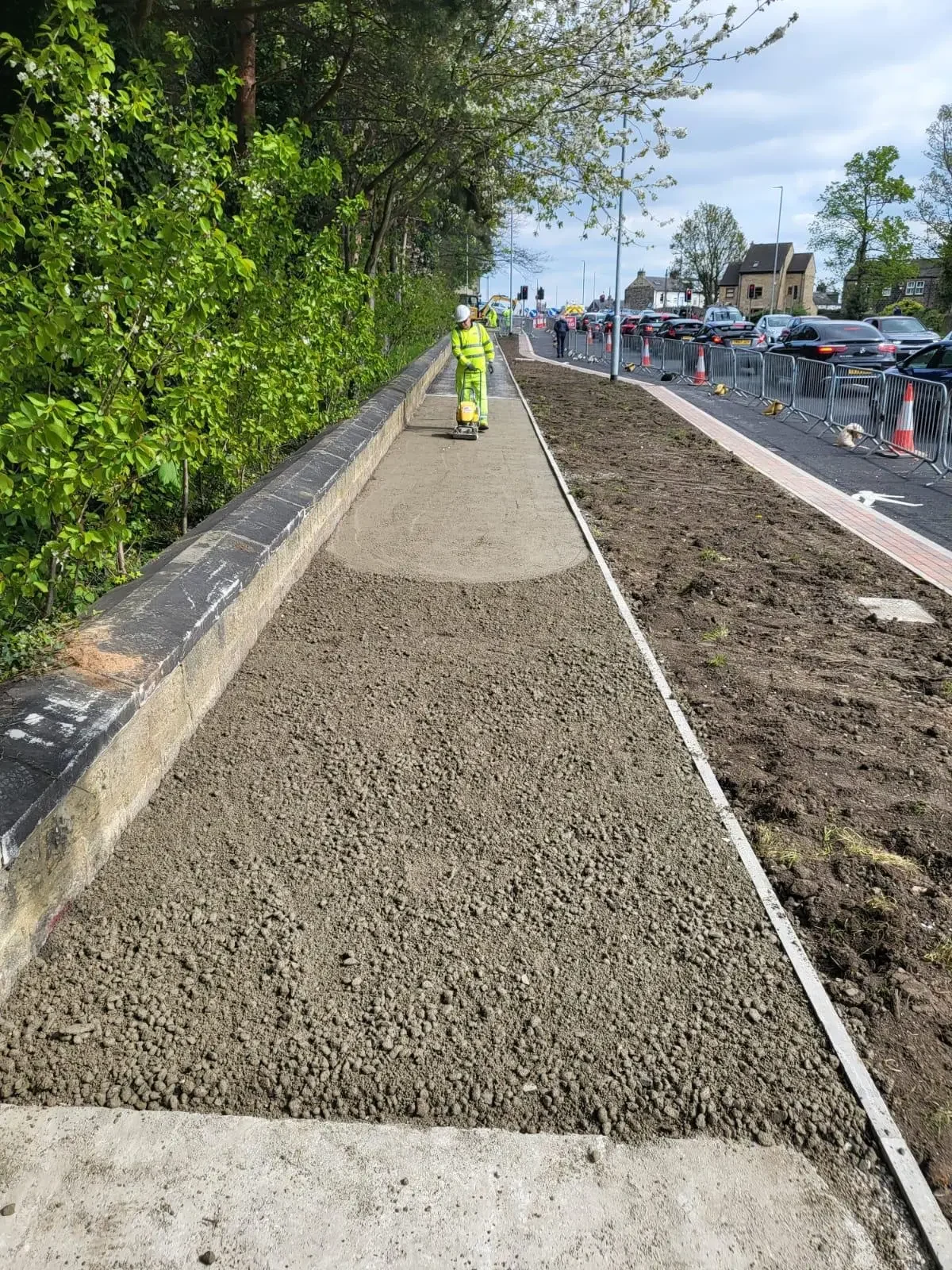
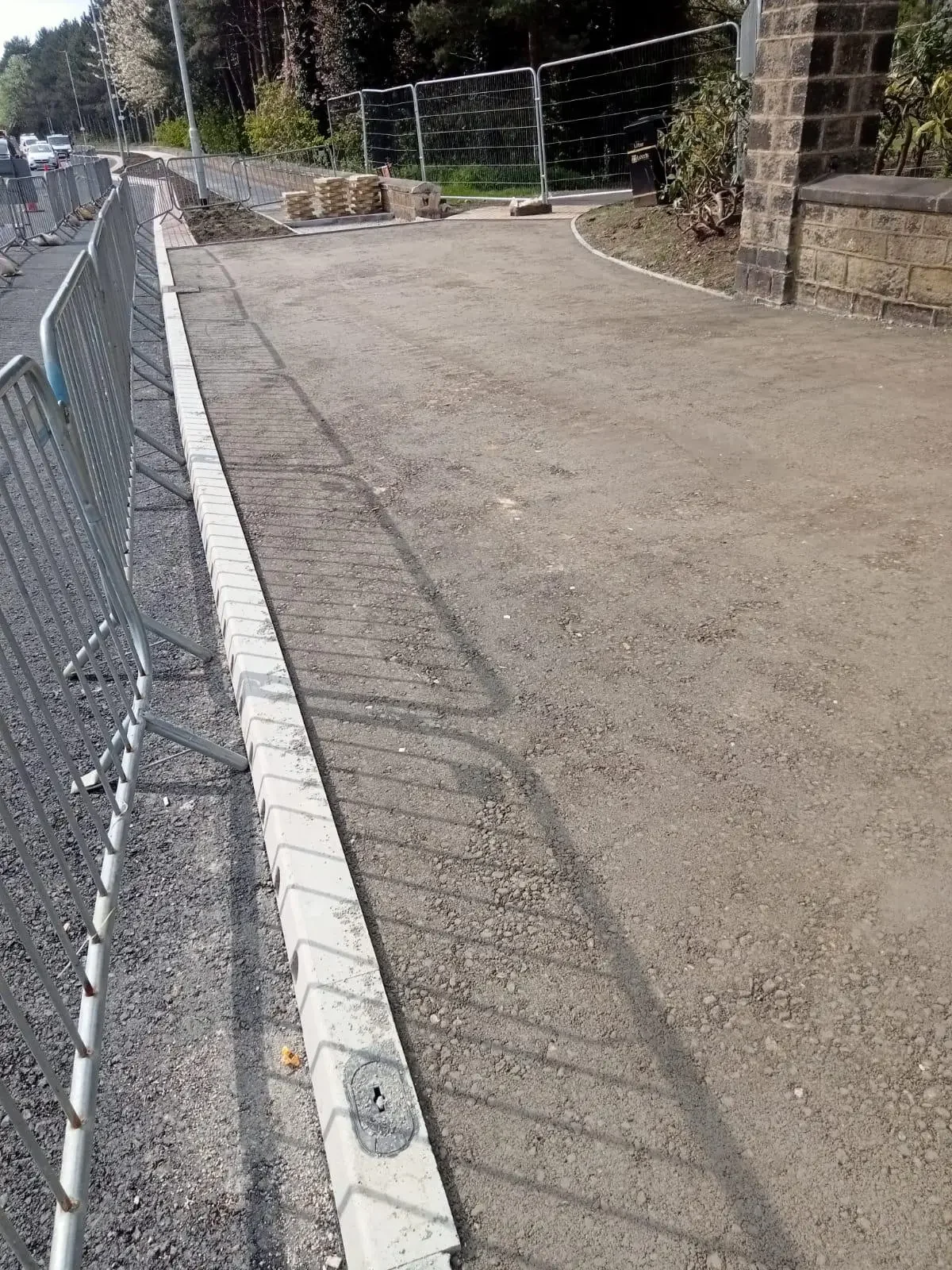
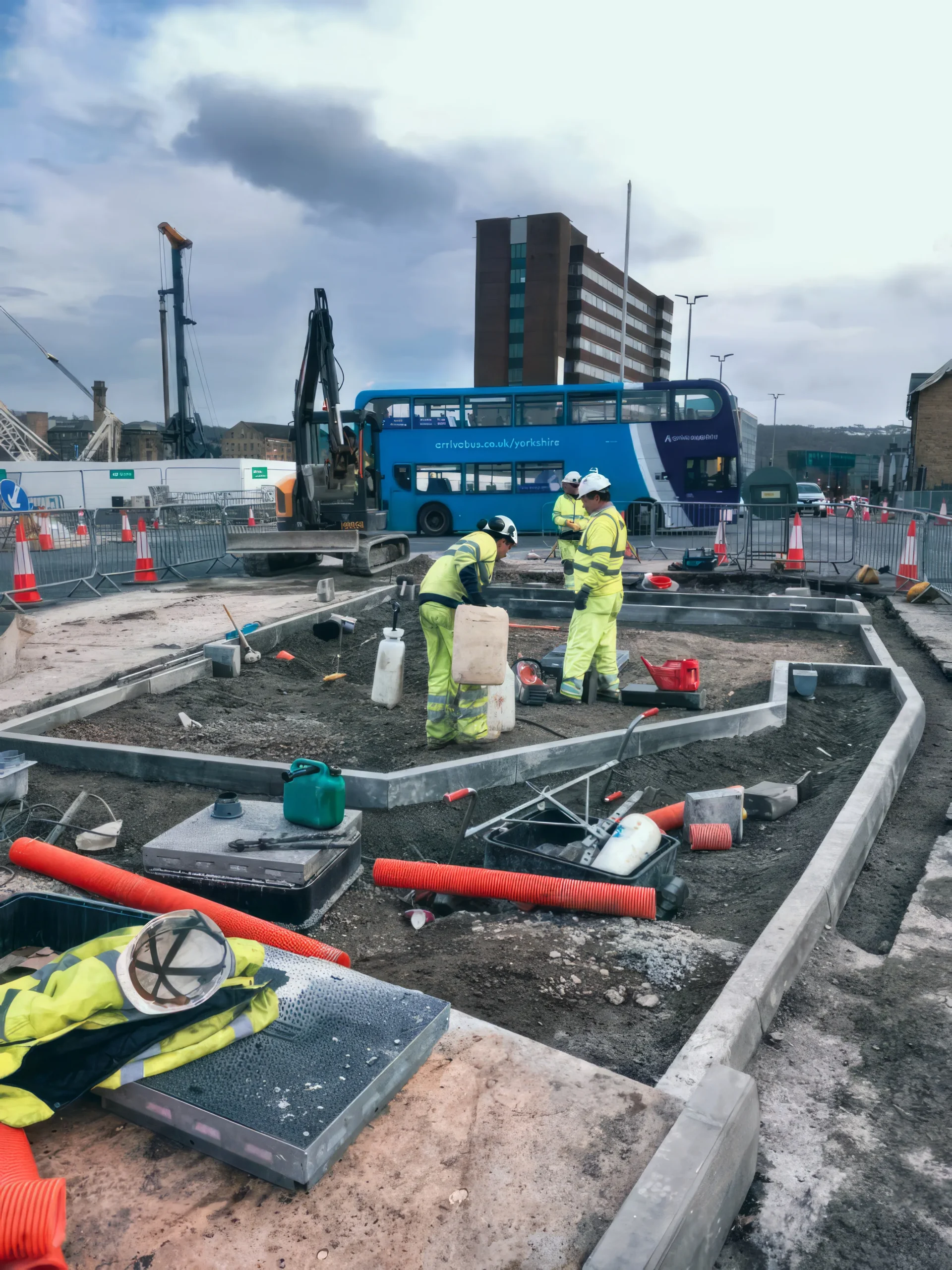
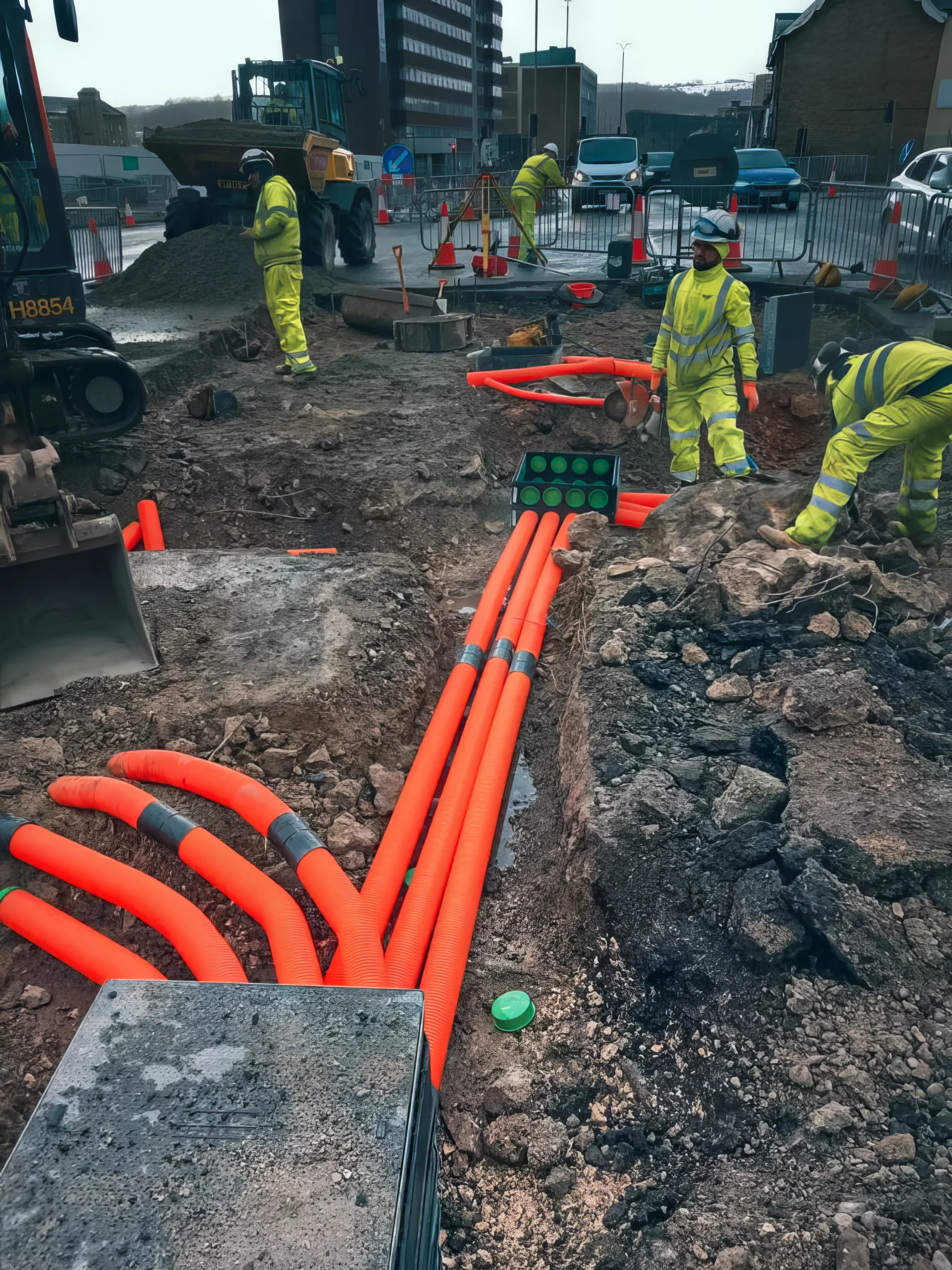
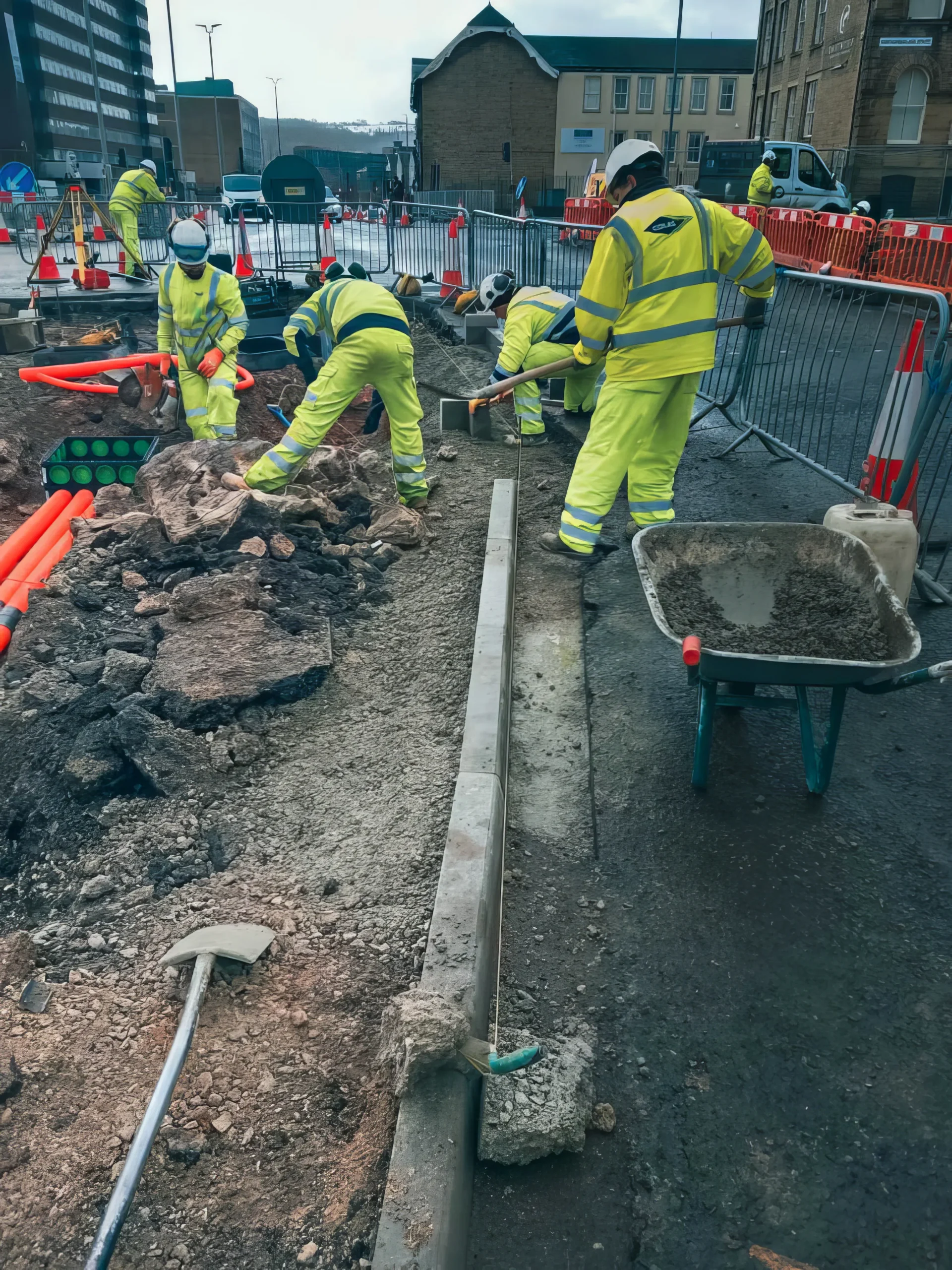
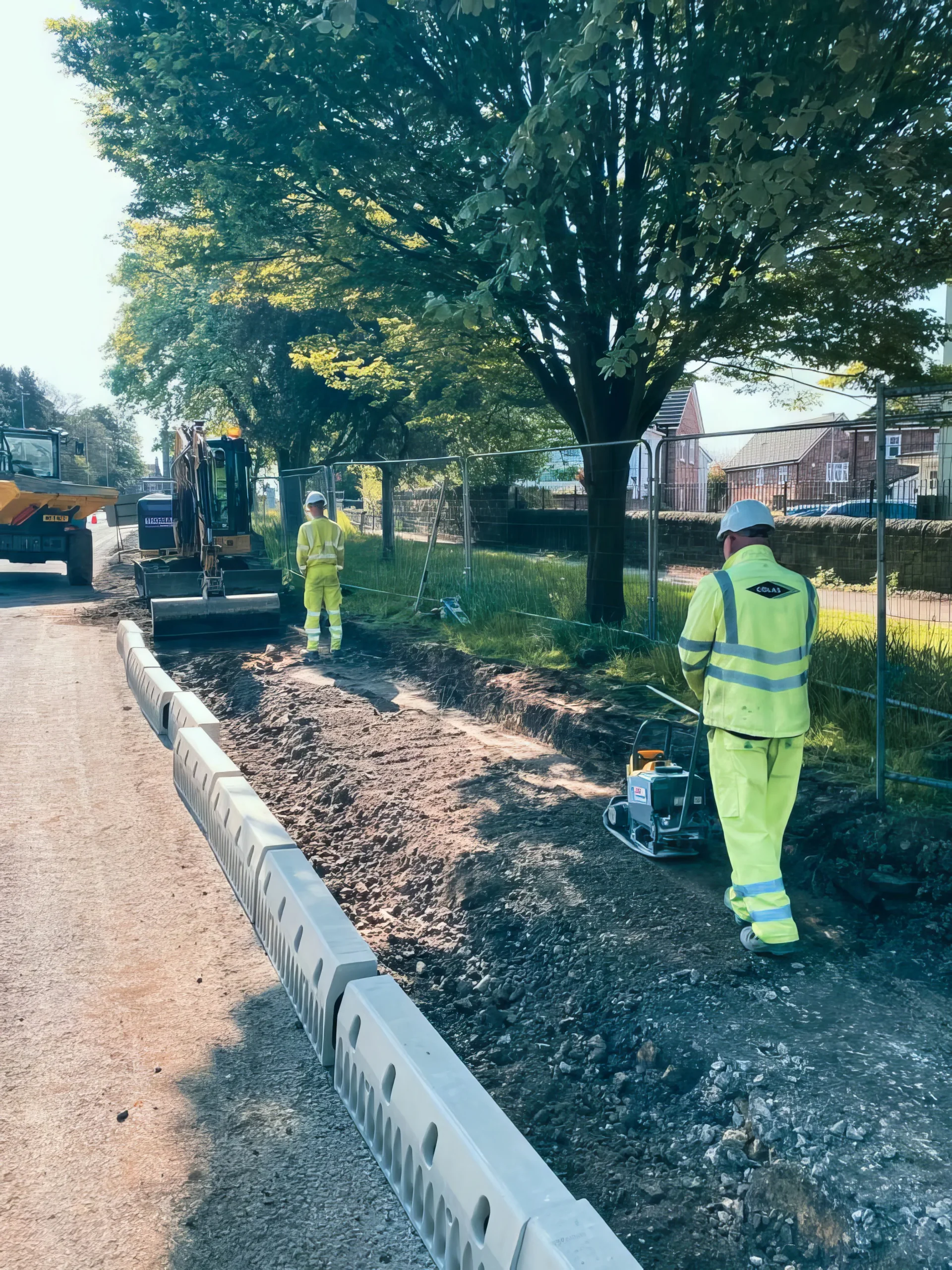
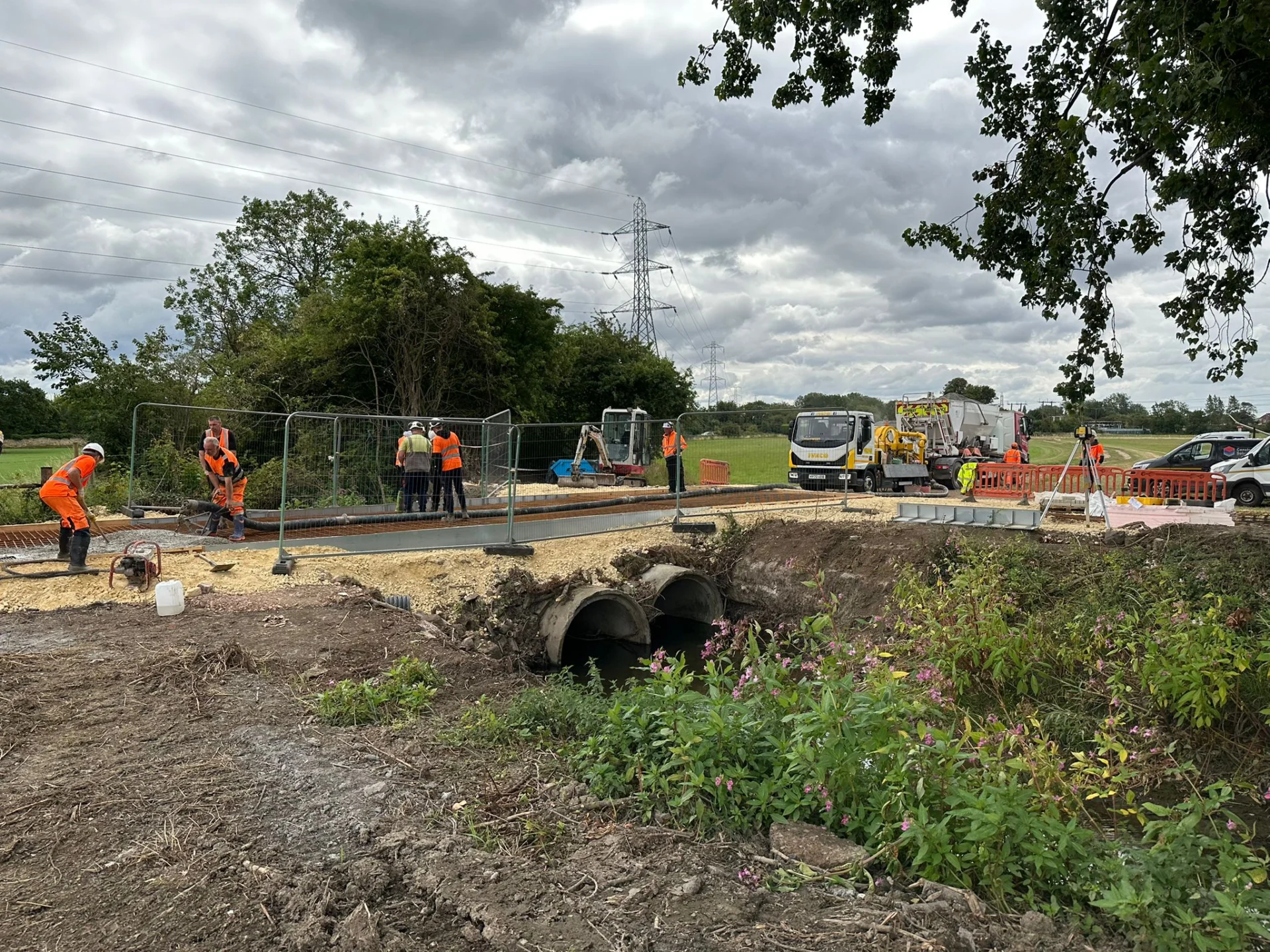
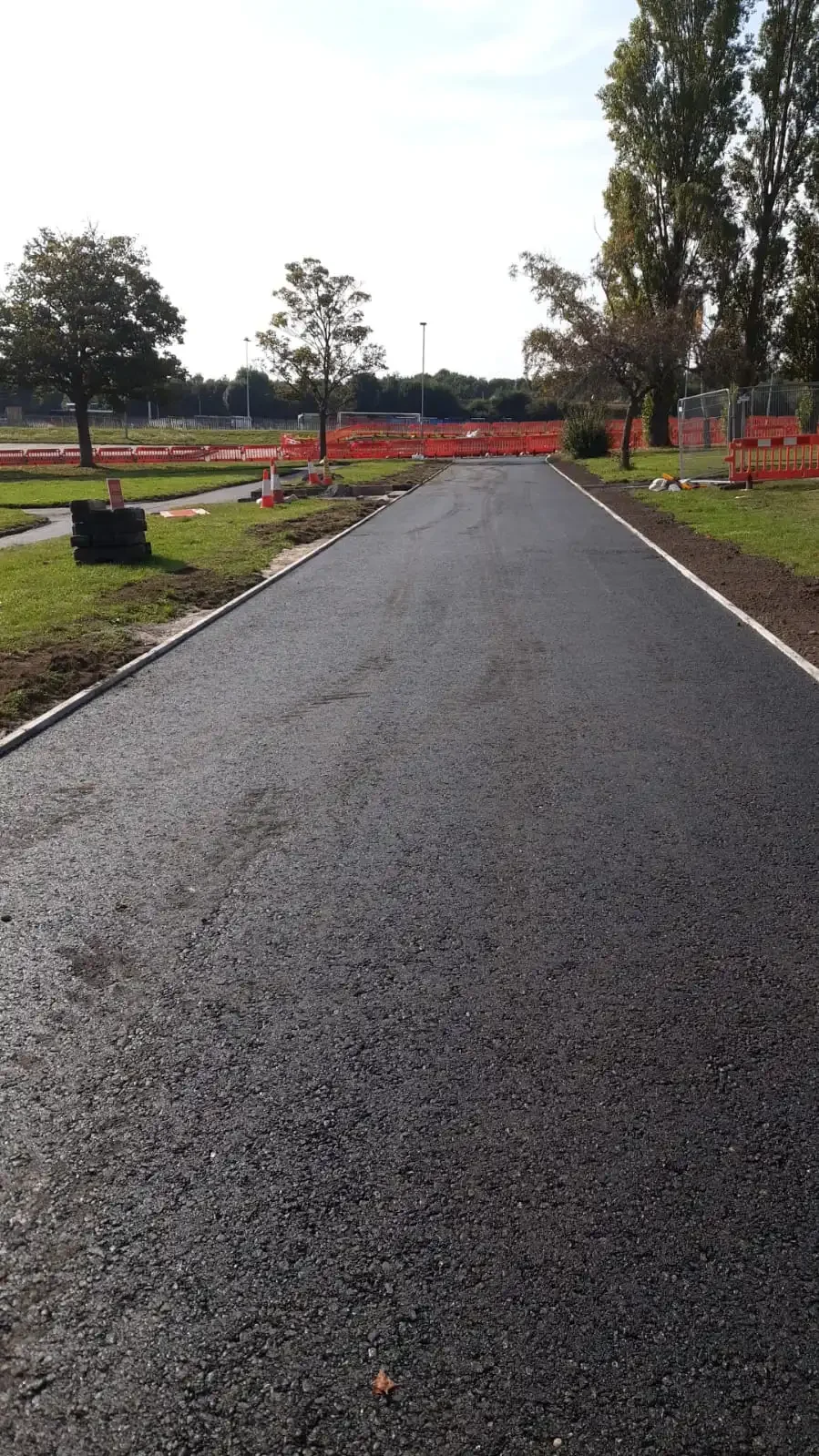
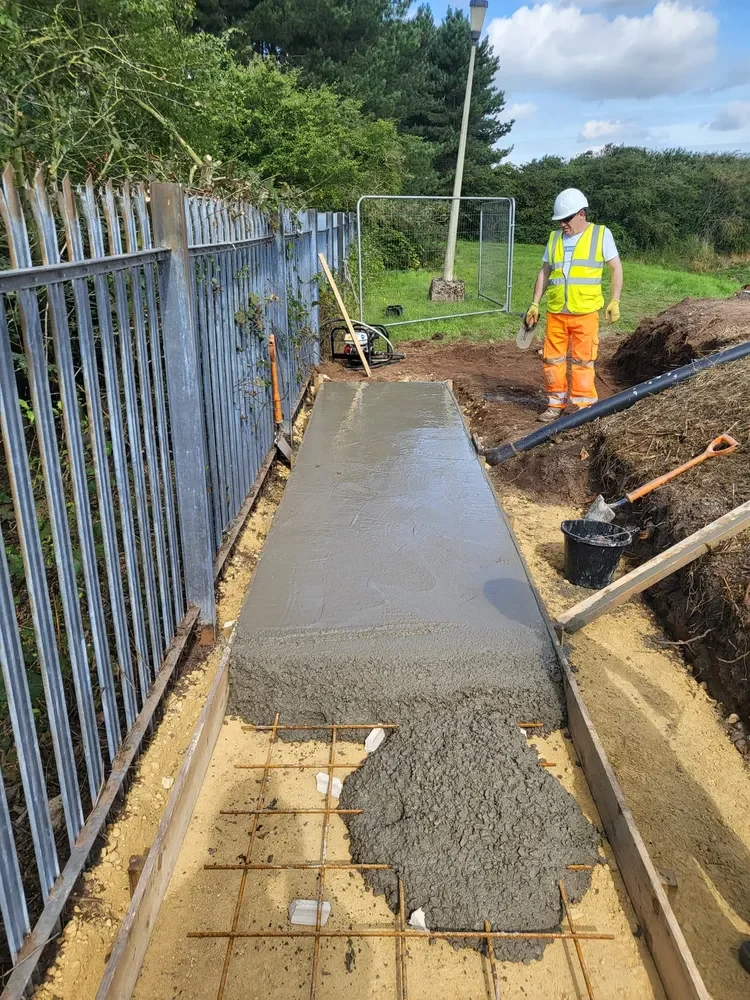
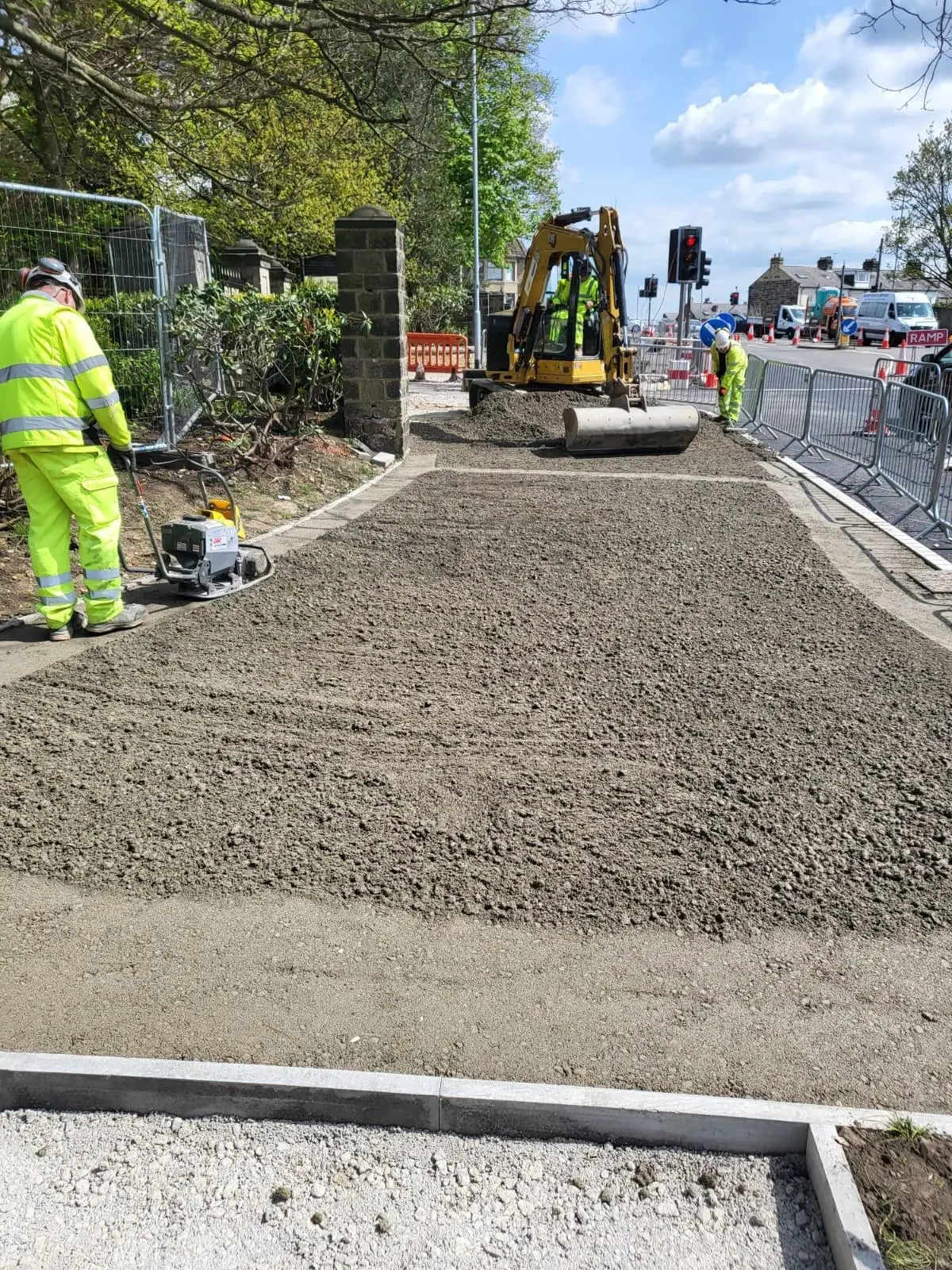
A kerb-crunching machine was brought in to break out the old kerbing efficiently. The crushed material wasn’t wasted — it was processed and reused as sub-base for the new footways, which kept skip movements down and made good use of what was already on site. New kerbs went in, the footways were widened and resurfaced, and the services — street lighting, UTC ducting for traffic sensors and signals, and drainage — were all installed as the carriageway took shape.
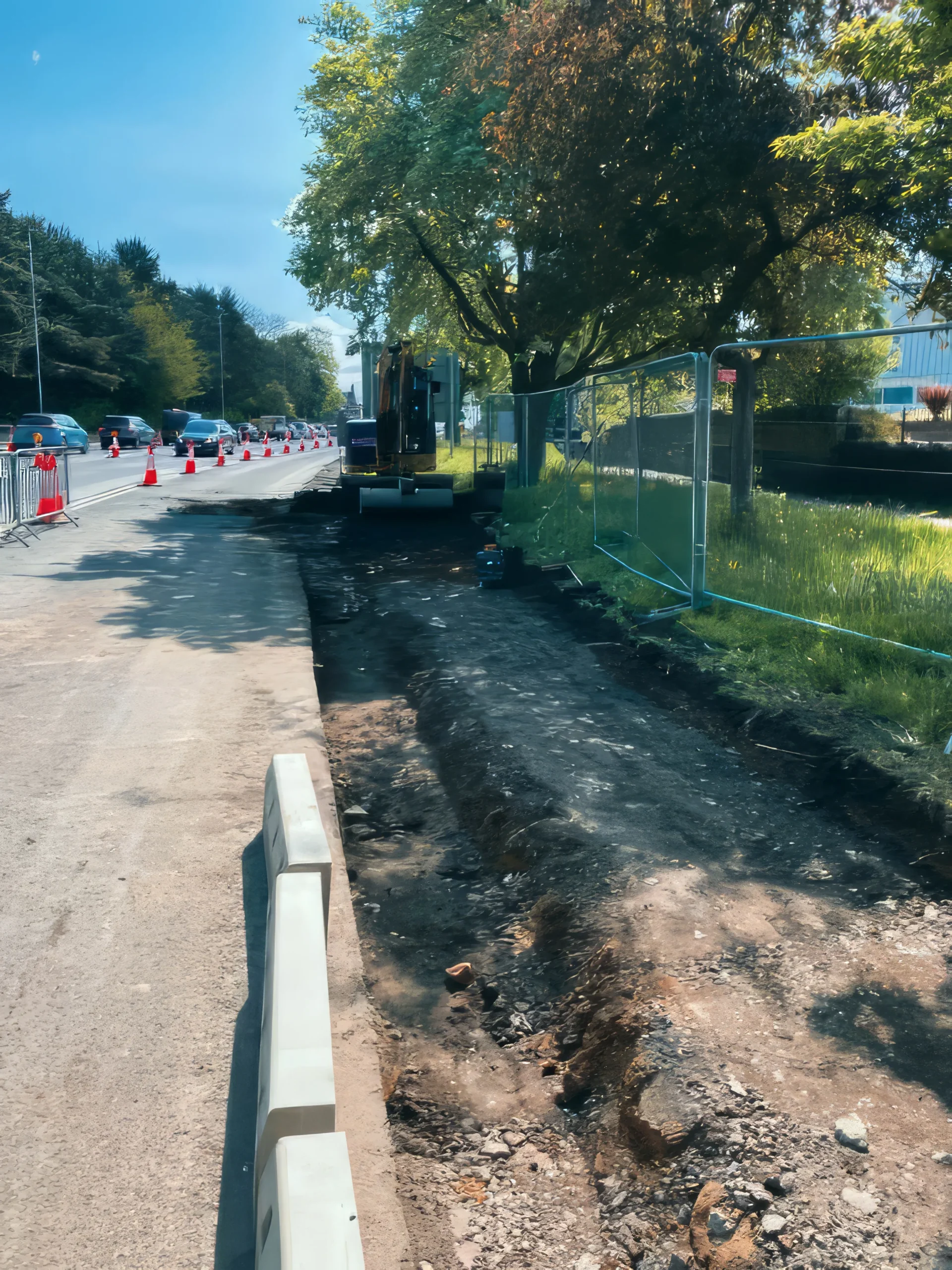
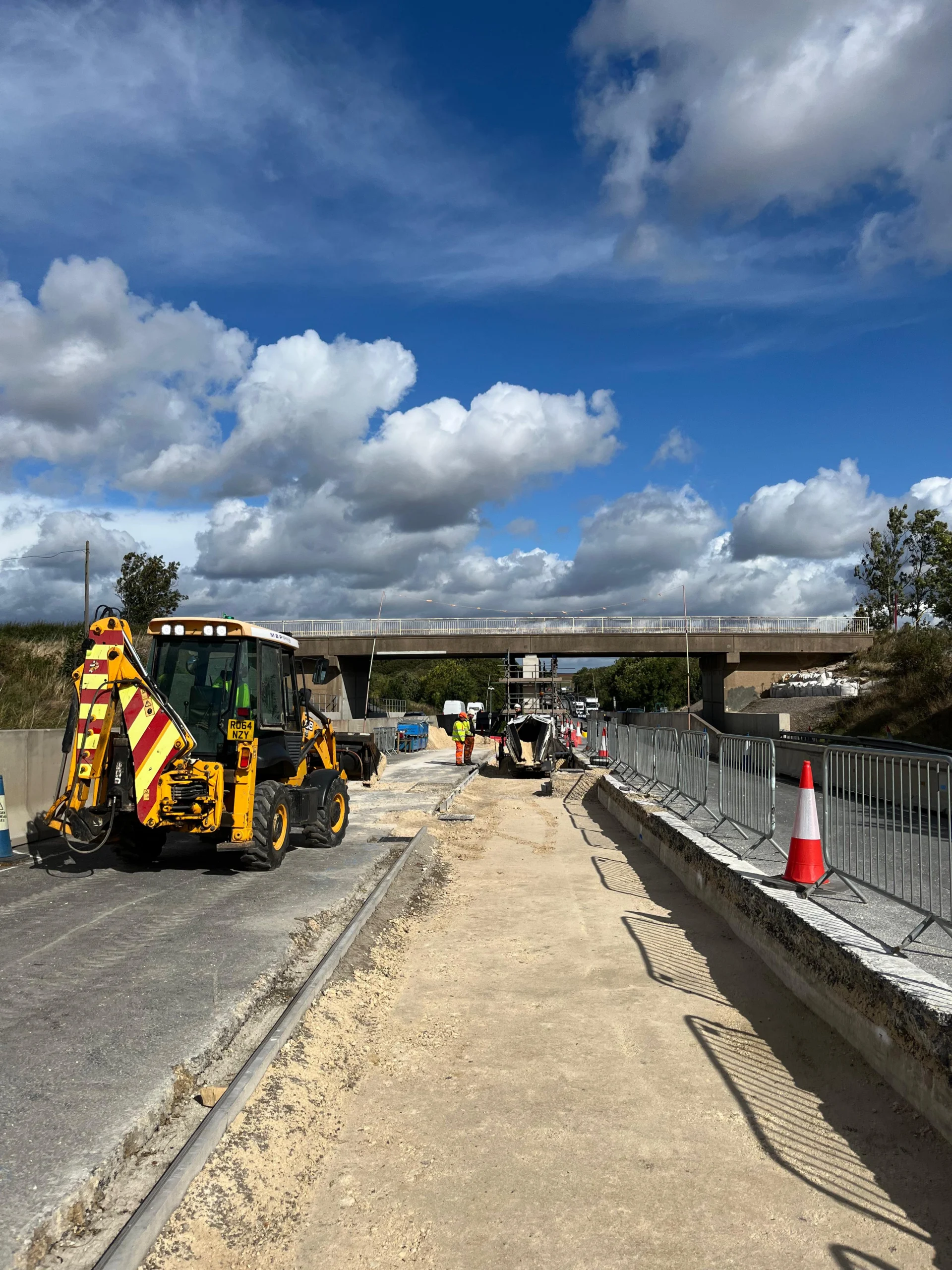
One side of the road stayed open throughout. Sequencing the works to maintain that half-carriageway was the thread that ran through every phase of the programme.
The Result
A wider, better-served ring road with improved footways and updated signal infrastructure, finished two months ahead of schedule. The material recycling kept the project efficient, the vacuum excavation kept the utilities intact, and the traffic kept moving throughout.