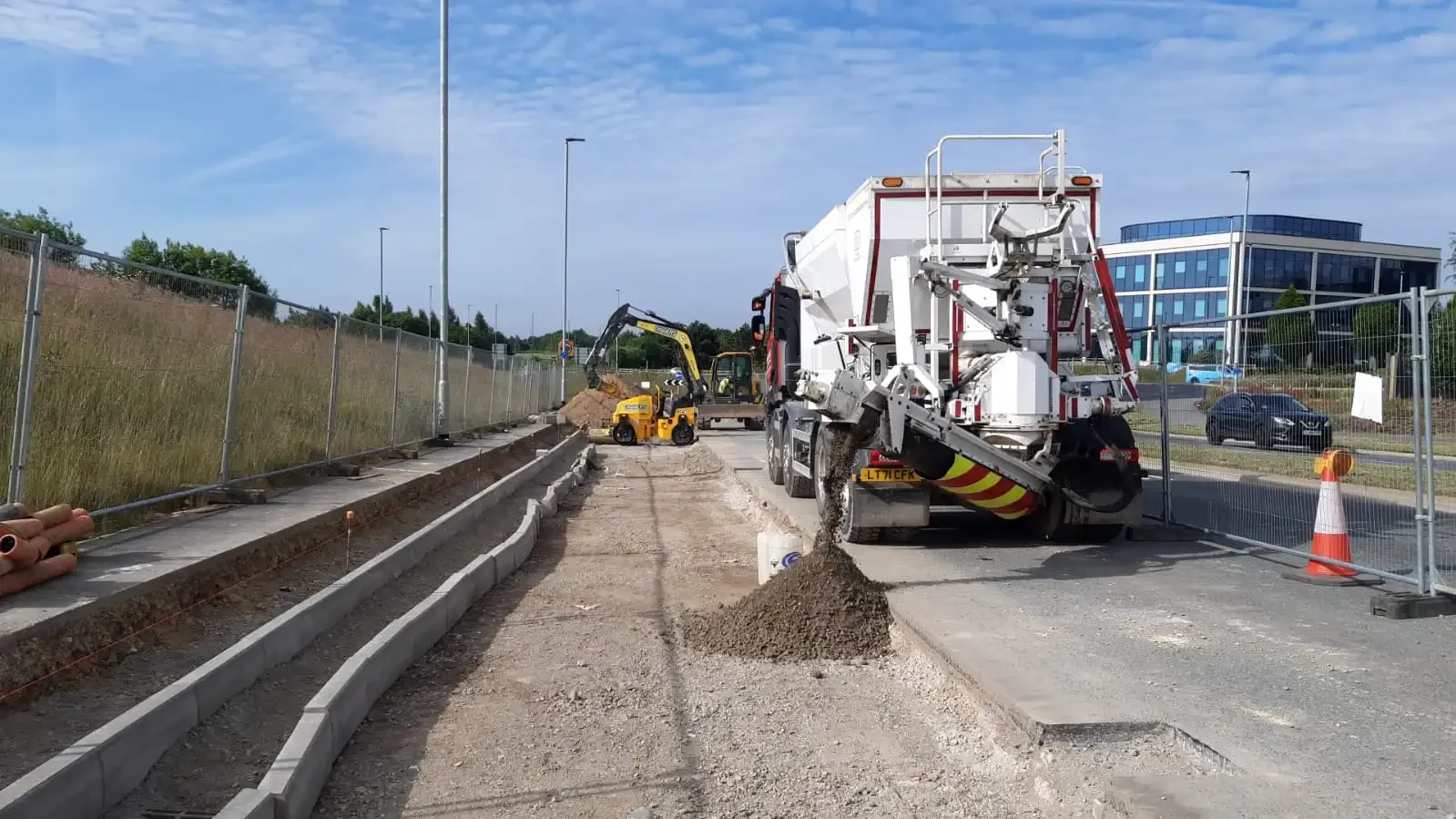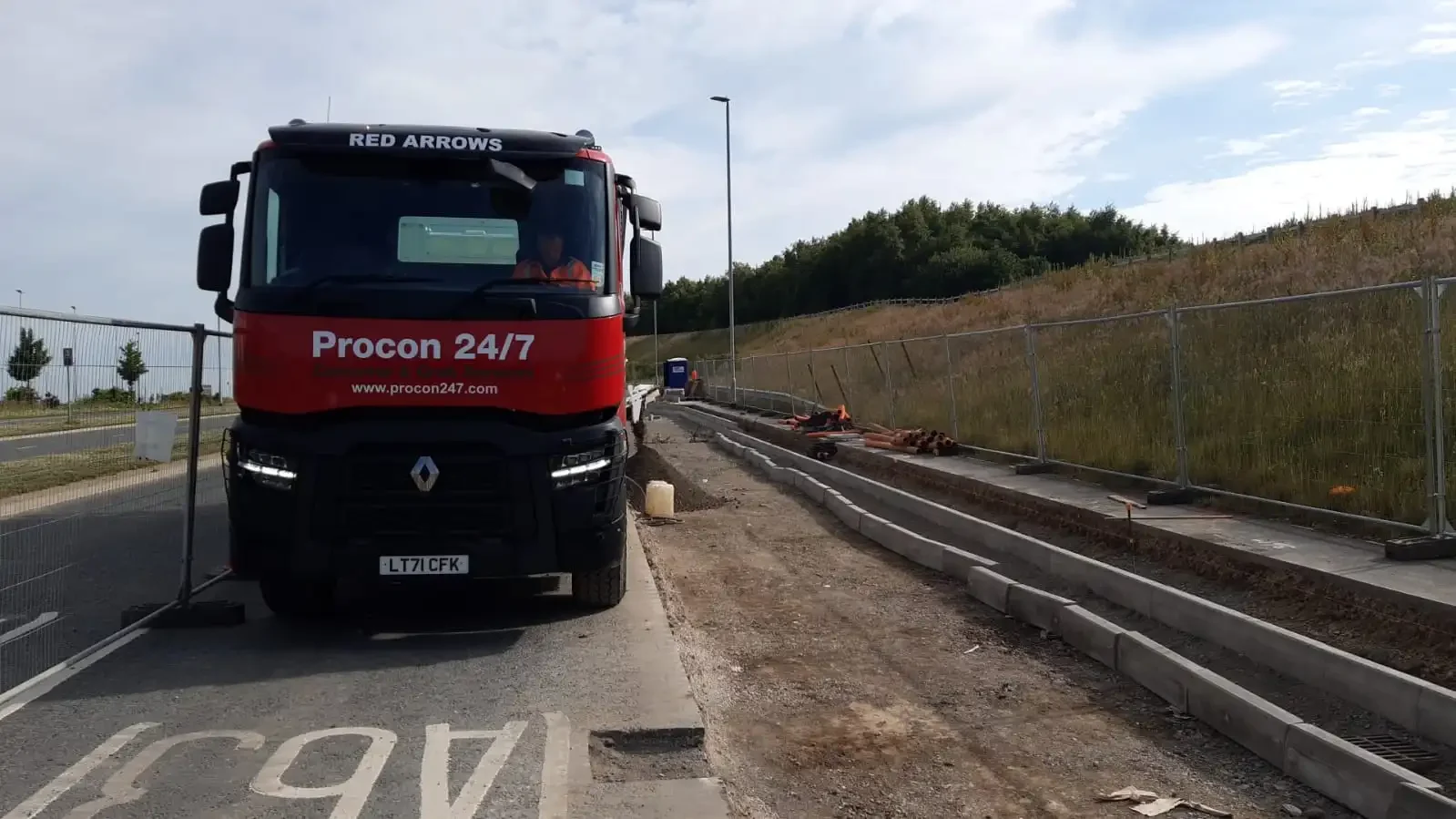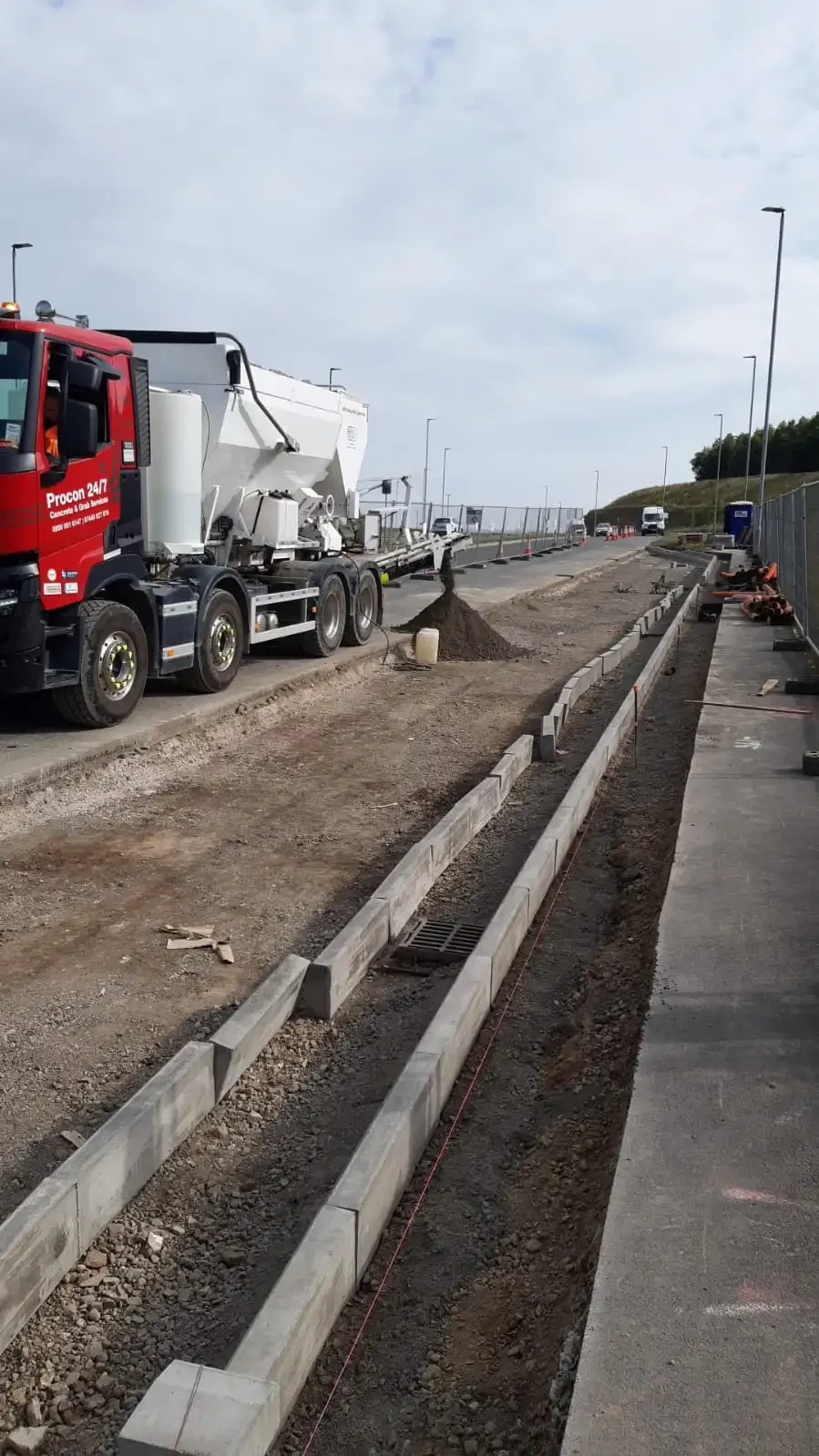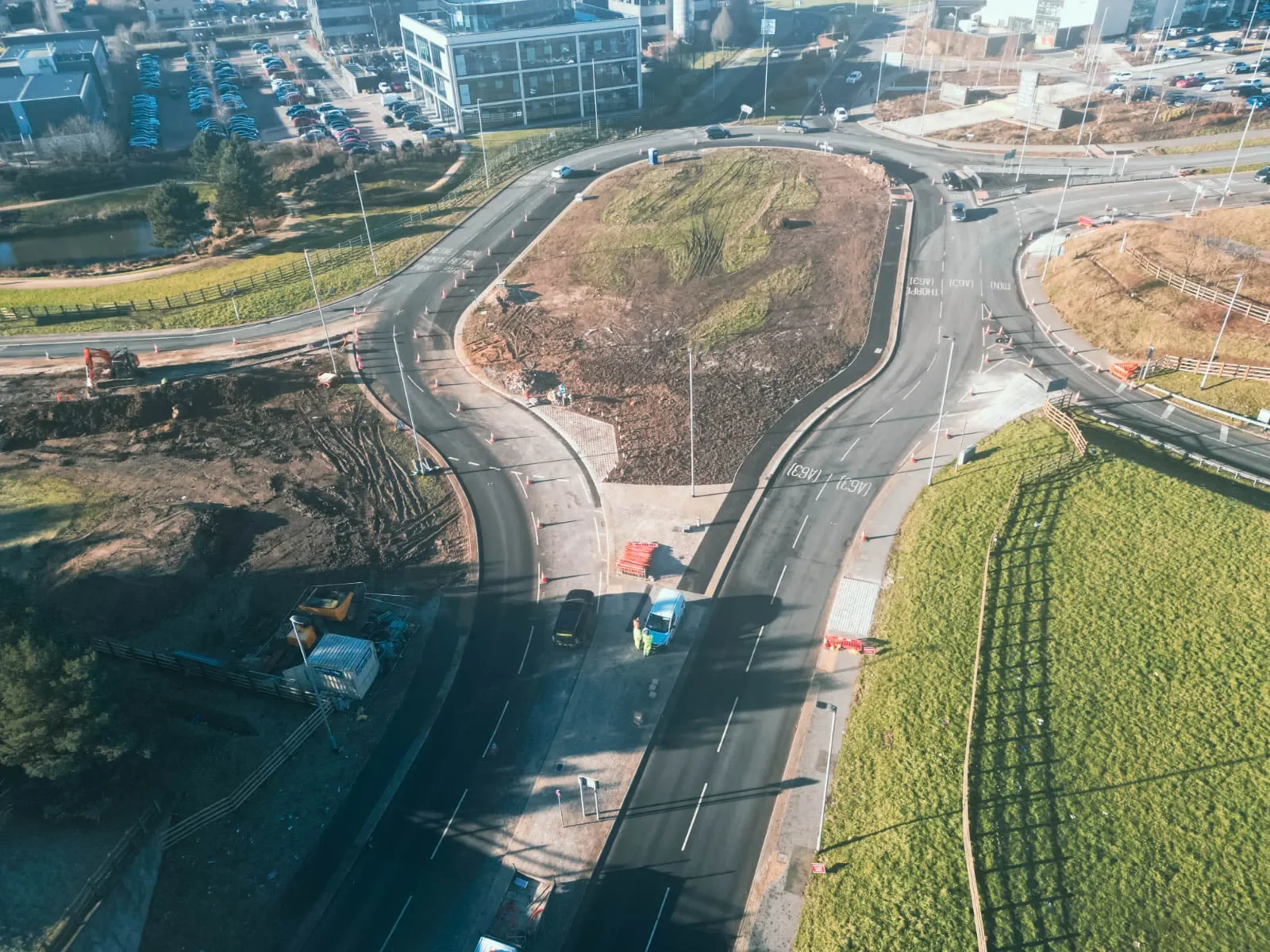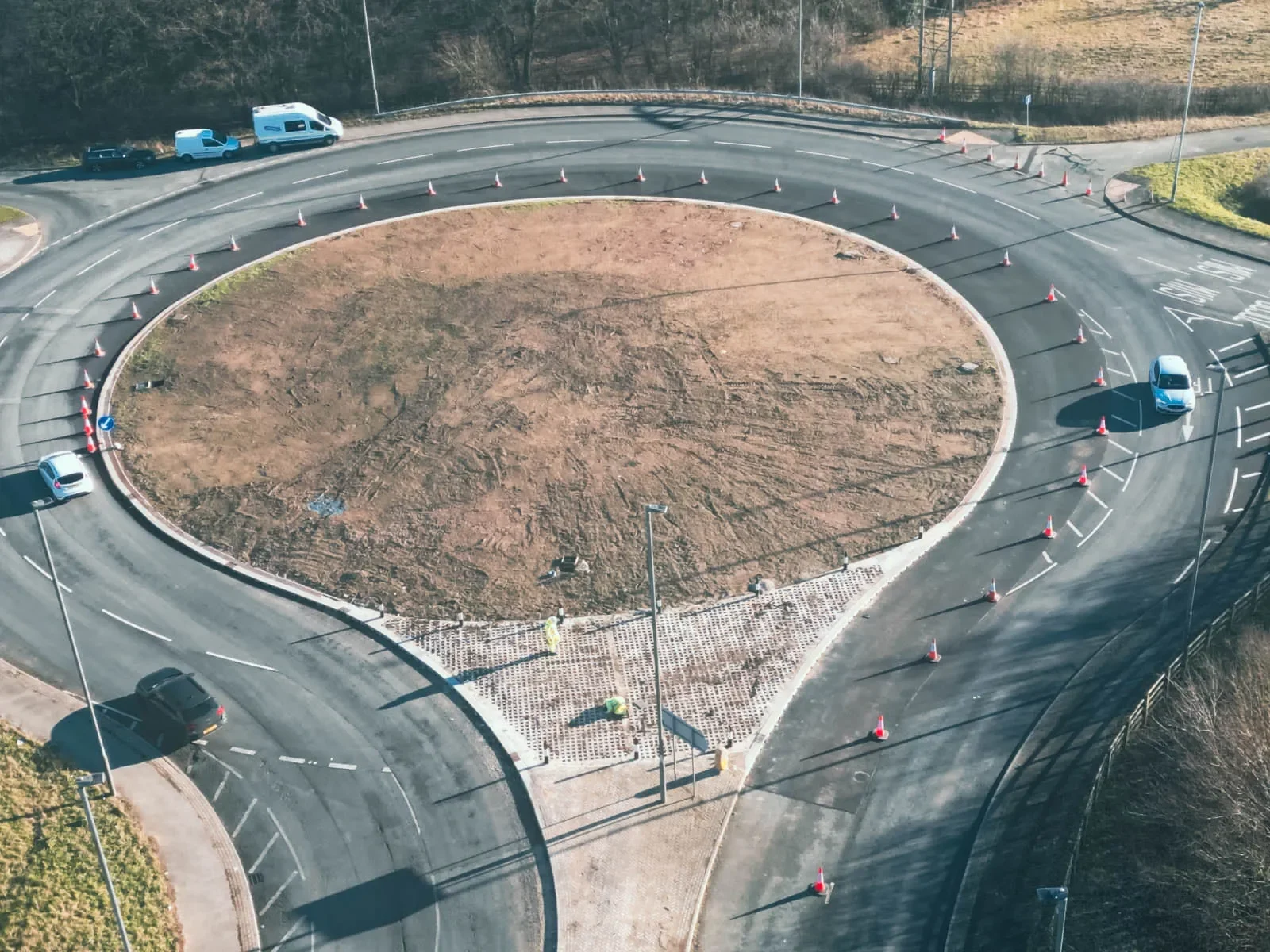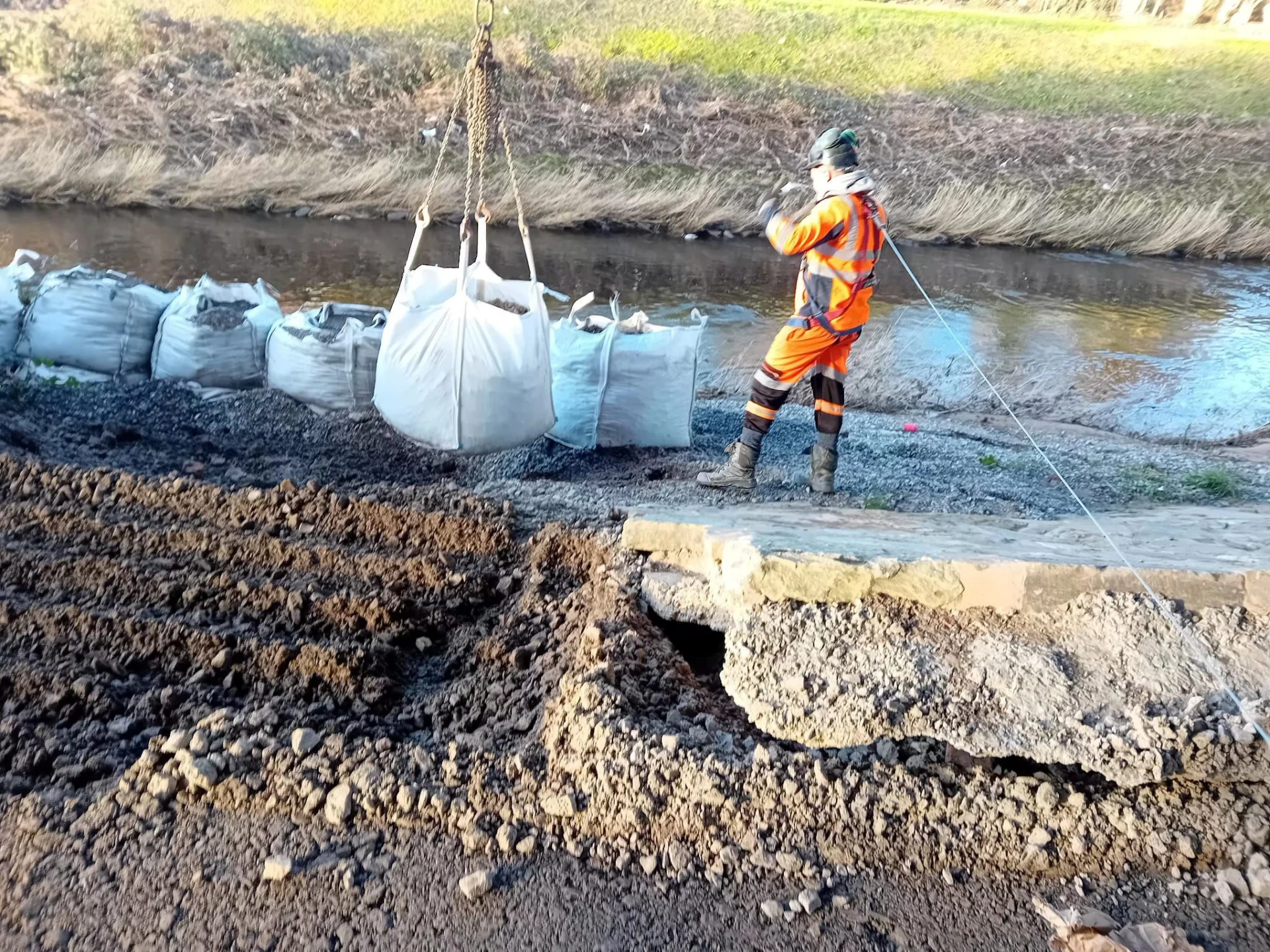
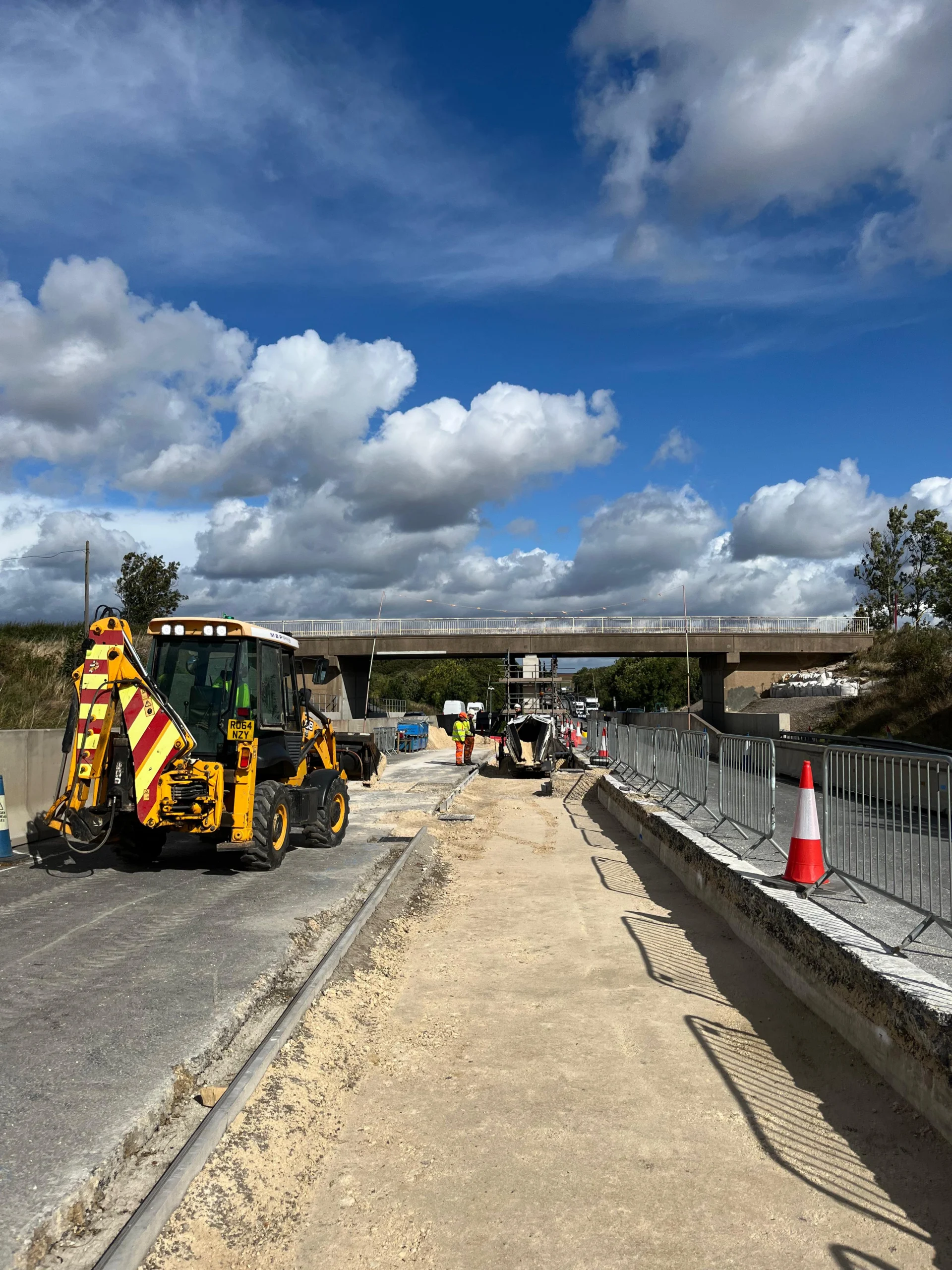
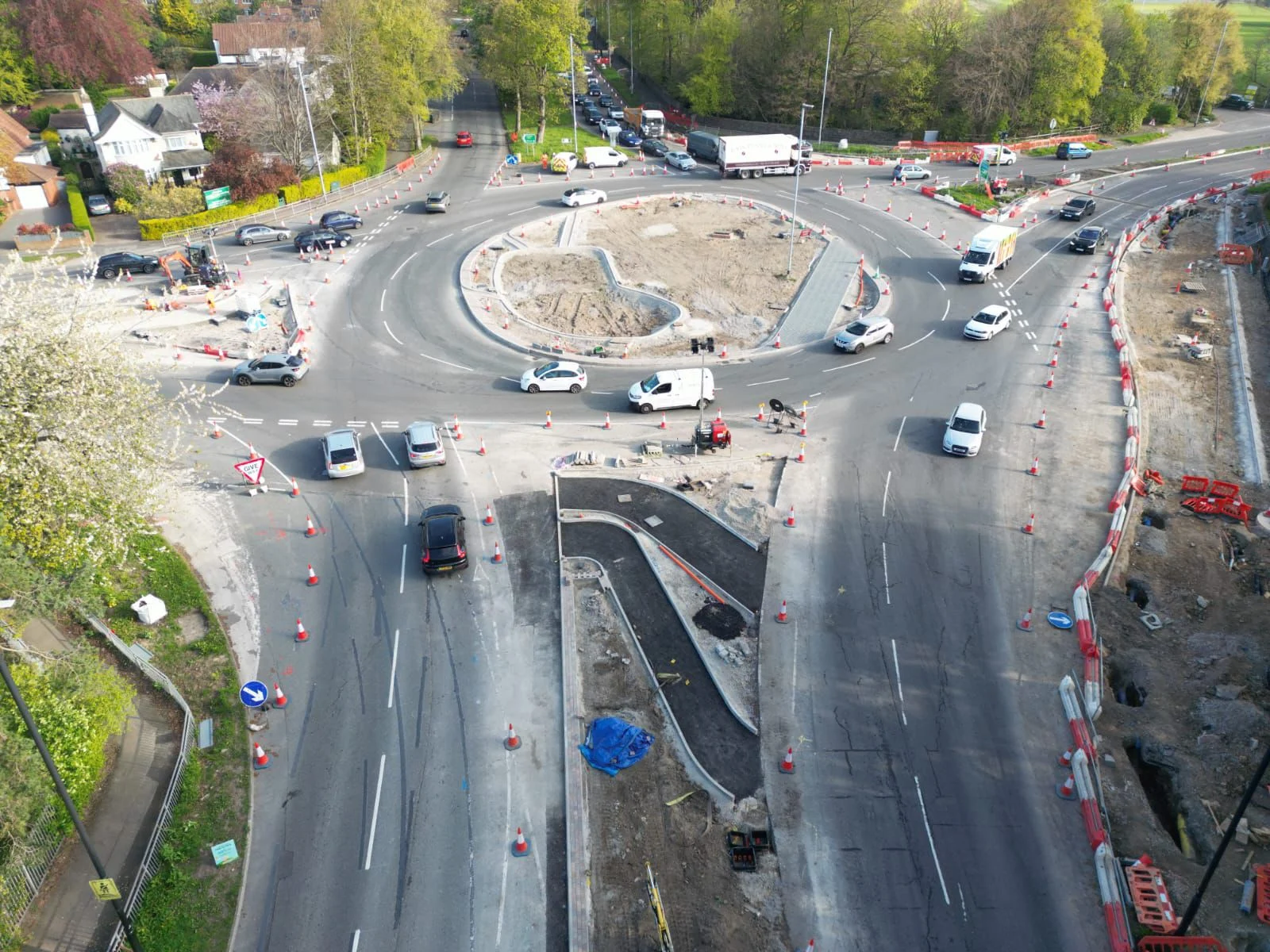
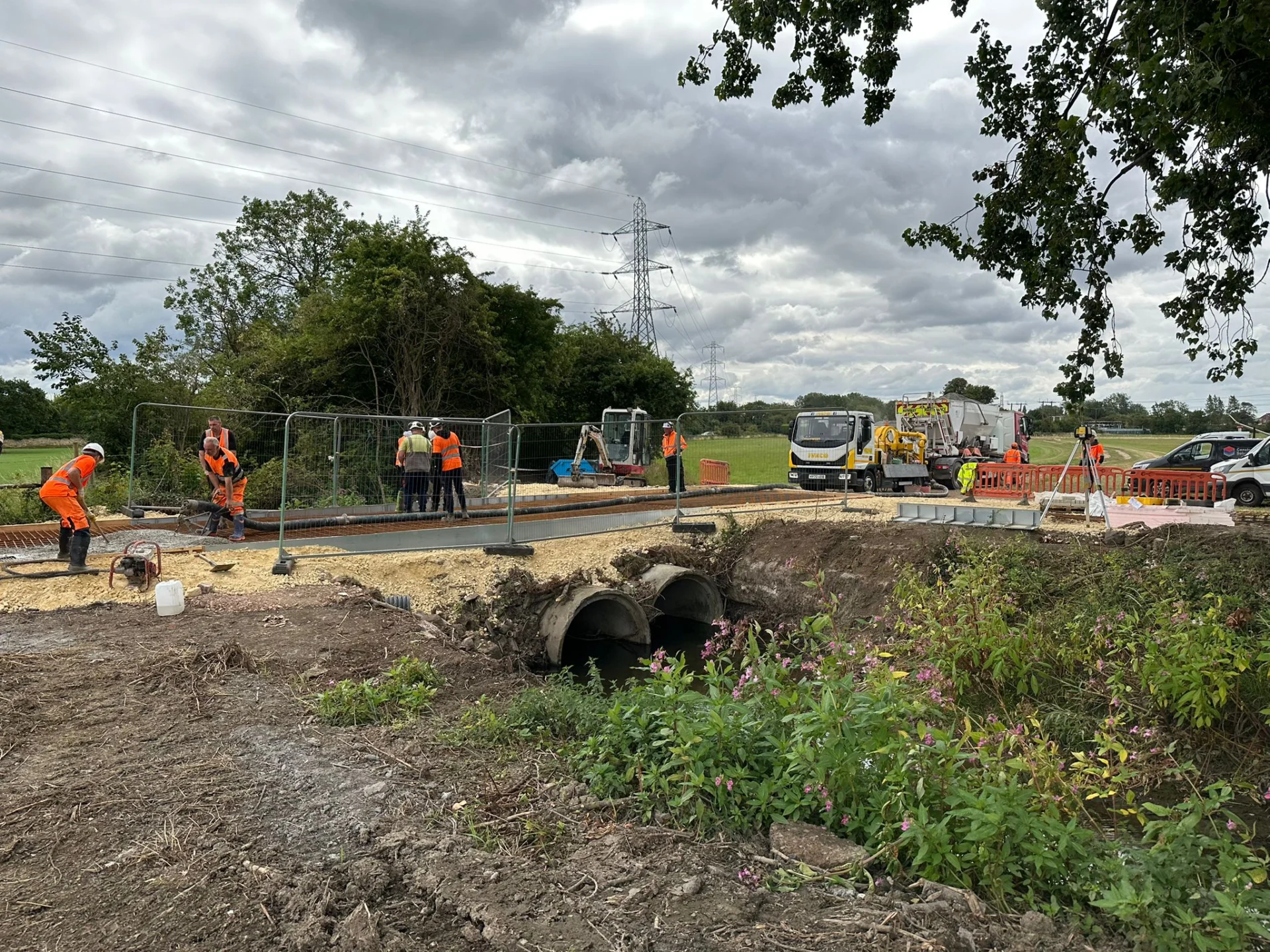
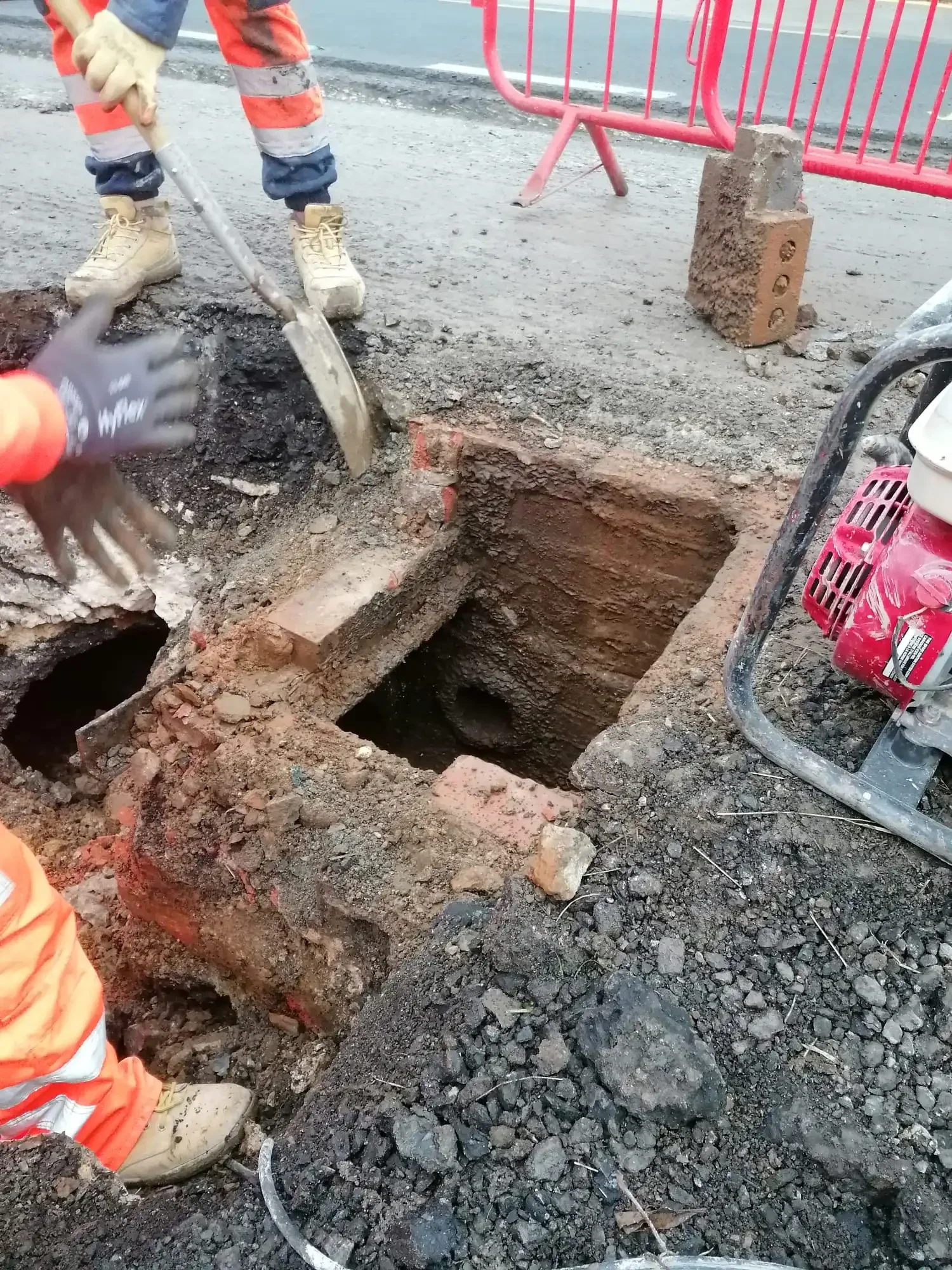
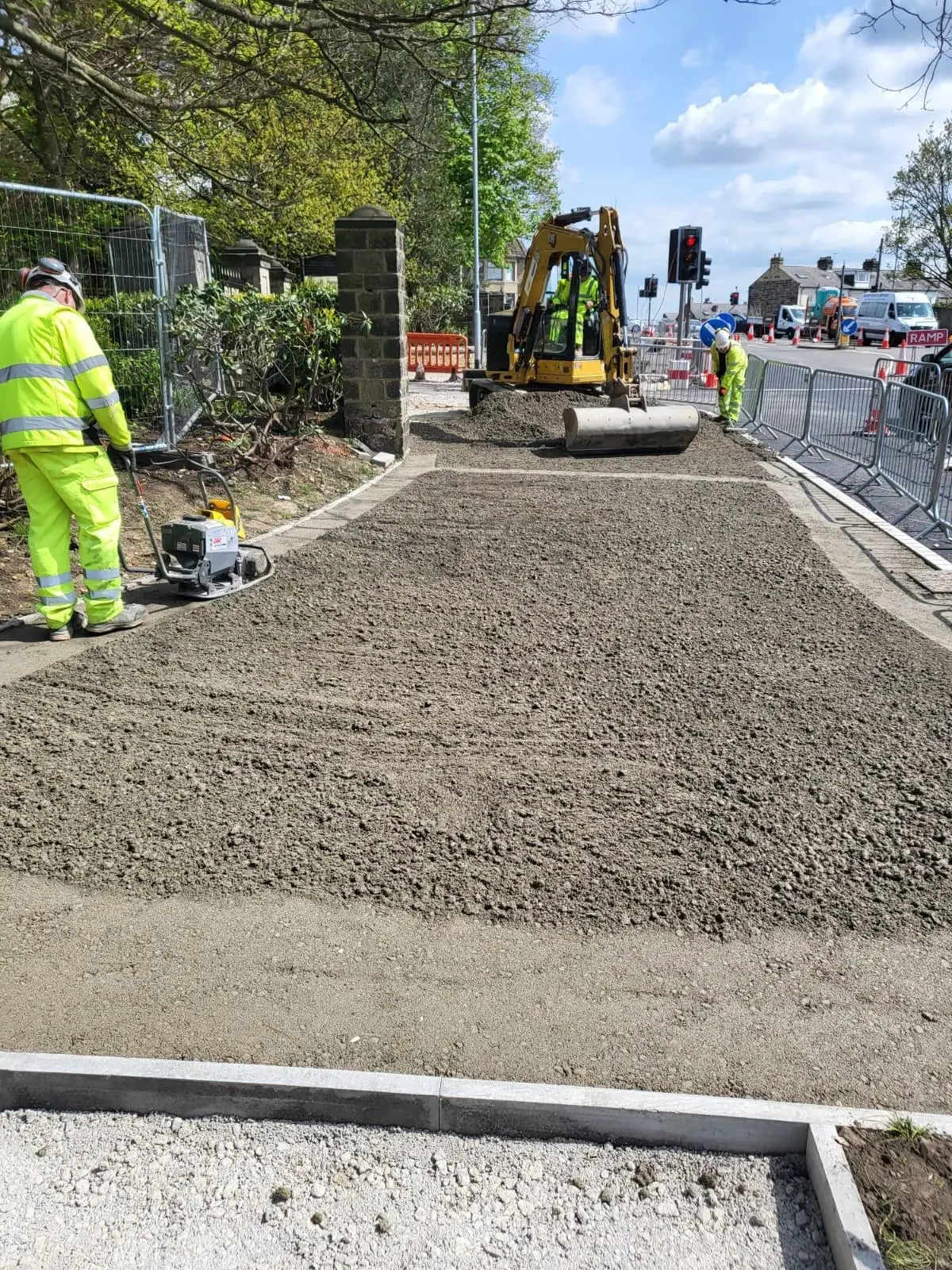
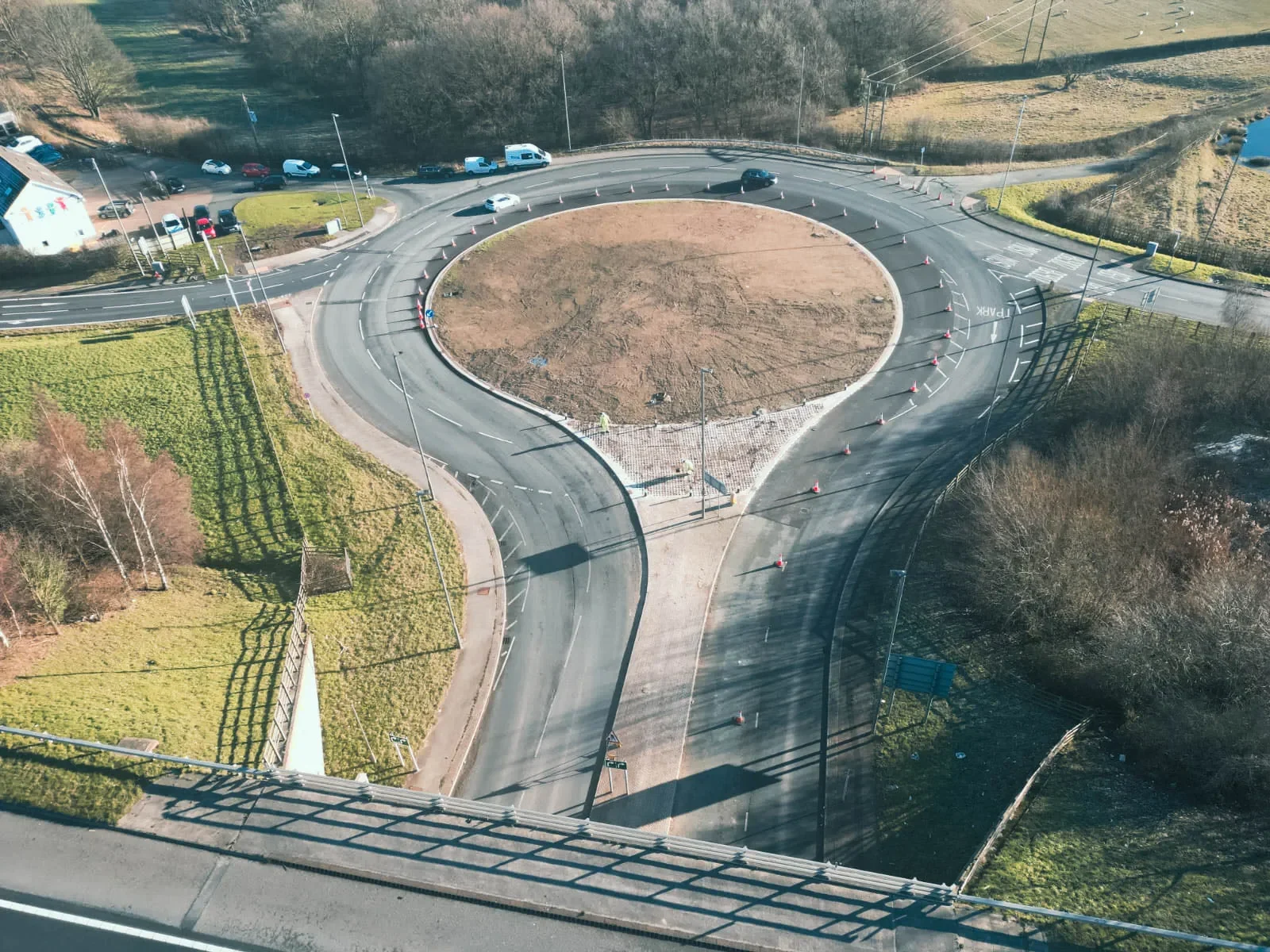
M1 Junction 46 carries a significant volume of traffic daily, and like any busy motorway junction, the infrastructure underneath and around it has to keep pace with the demand placed on it. This scheme brought together several workstreams — ducting, carriageway widening, resurfacing, and kerbing — all running as part of a coordinated improvement programme.
What the Work Involved
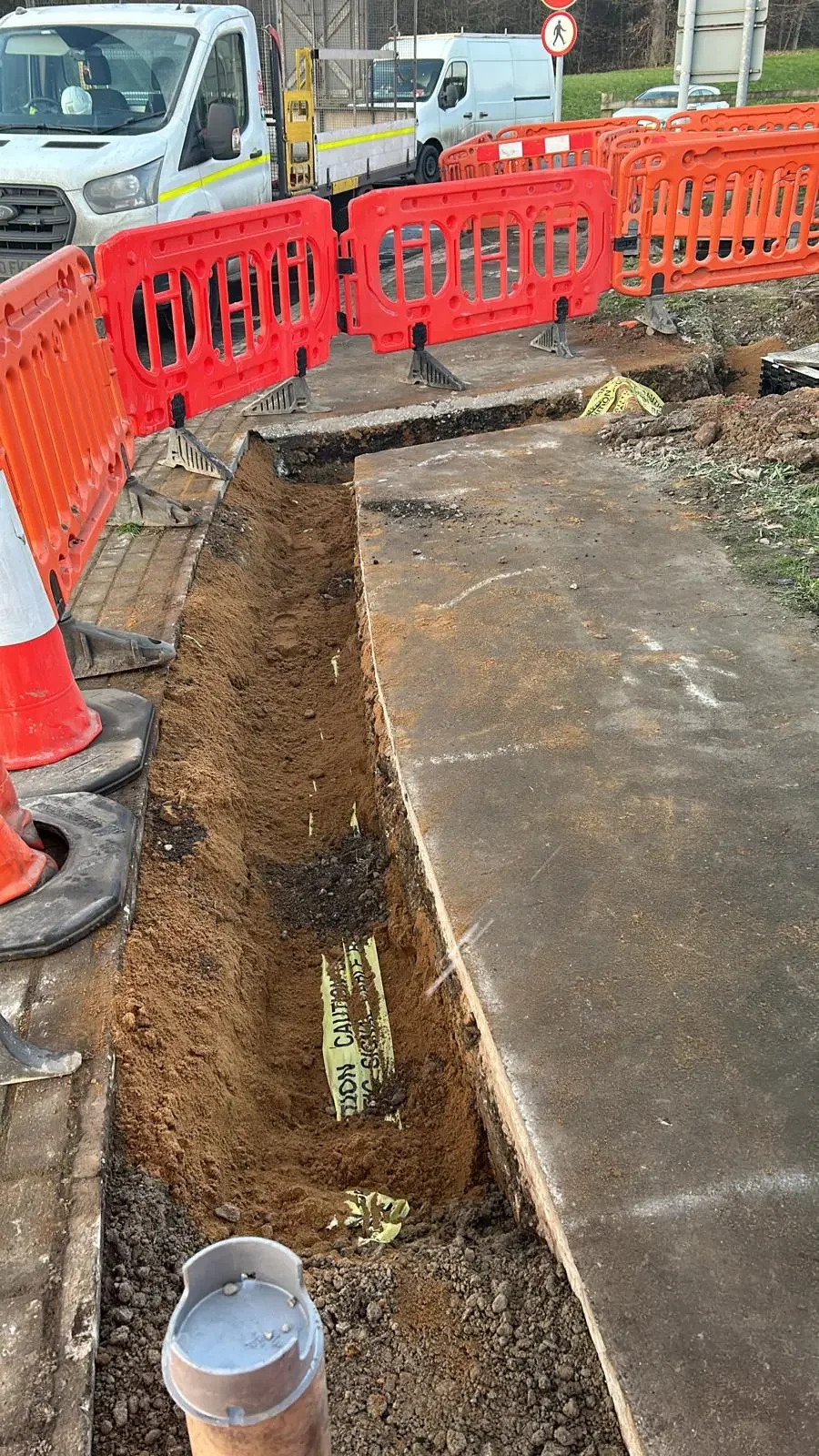
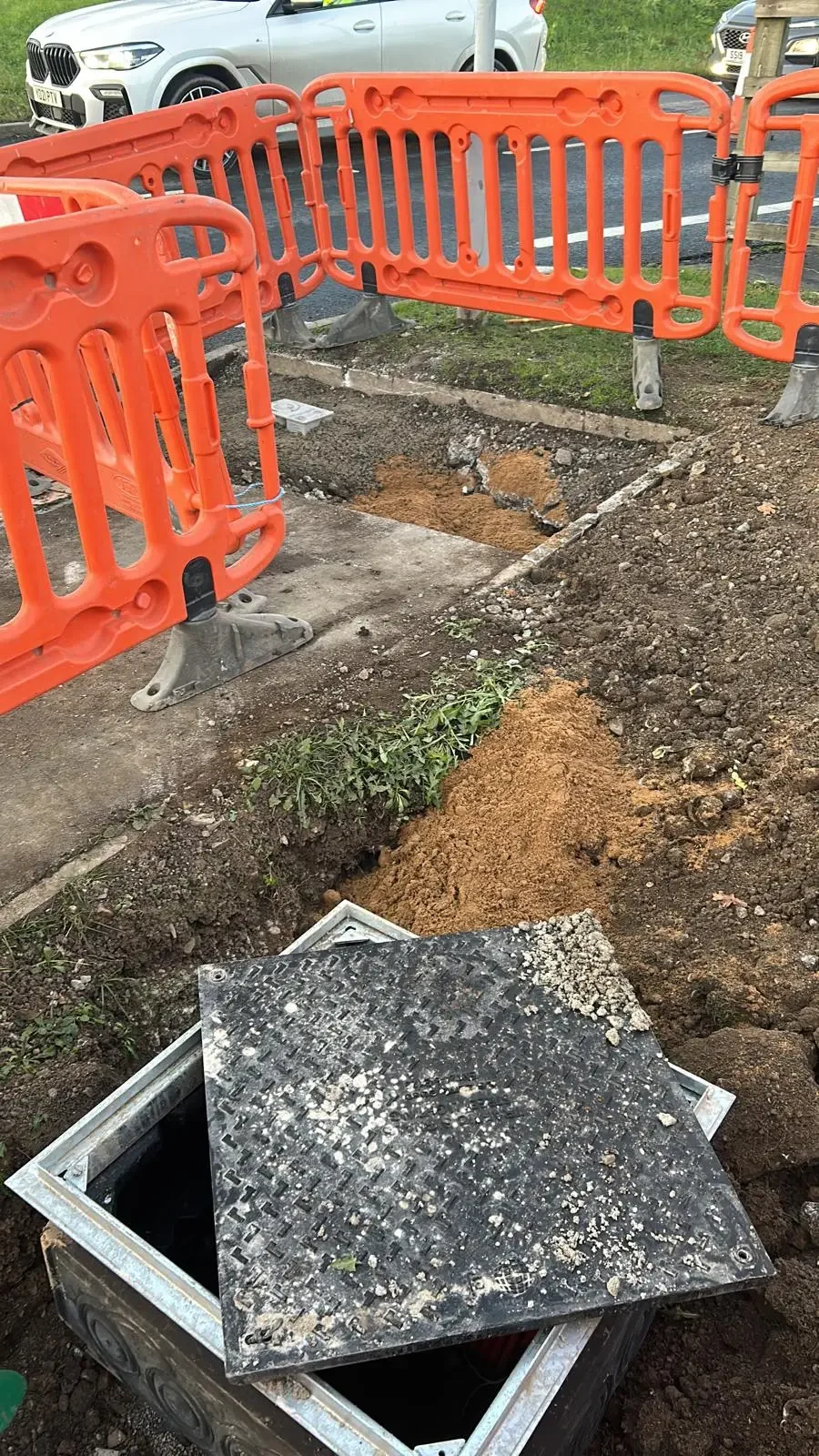
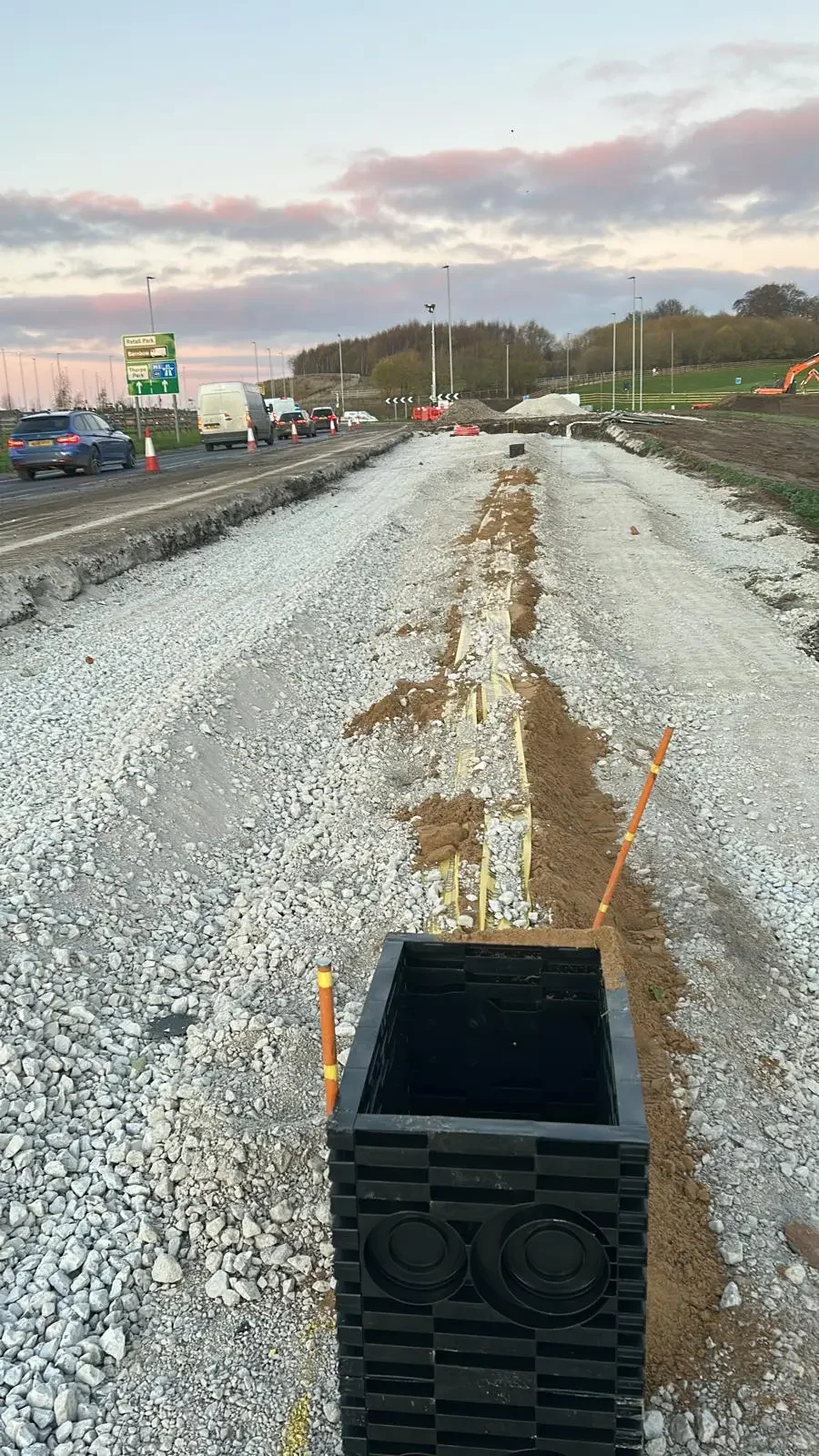
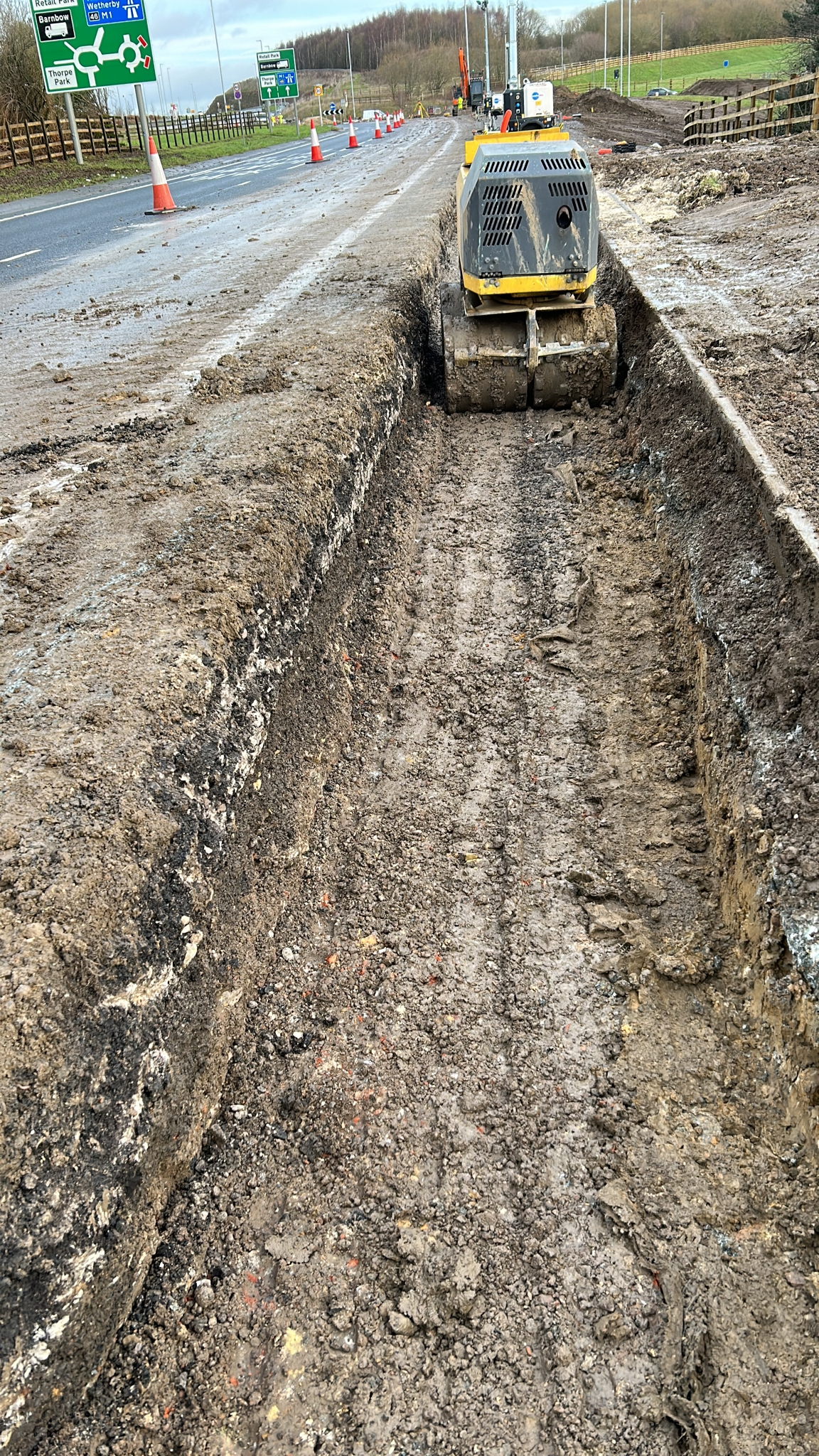
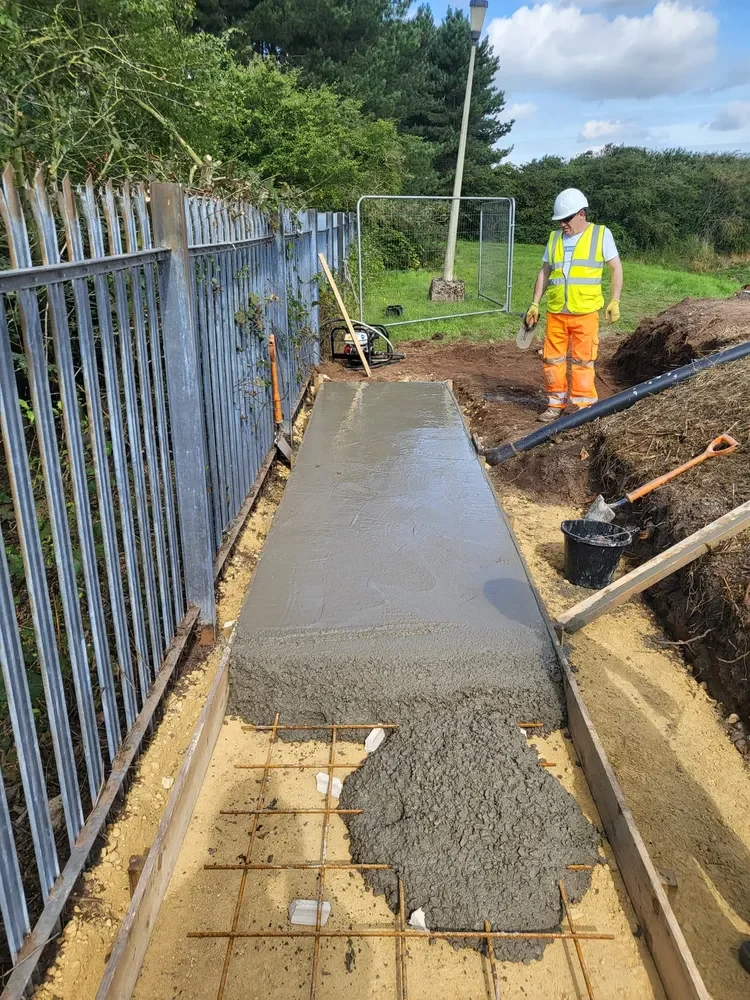
The ducting installation was the least visible part of the project but arguably the most important for the long term. Large-diameter pipes were laid underground along the route to carry utilities — electricity, telecommunications, and associated services. Getting those services underground and out of the way reduces the number of times the road surface needs to be opened up for maintenance work further down the line. It also keeps the carriageway clearer for emergency vehicle access when it matters most.
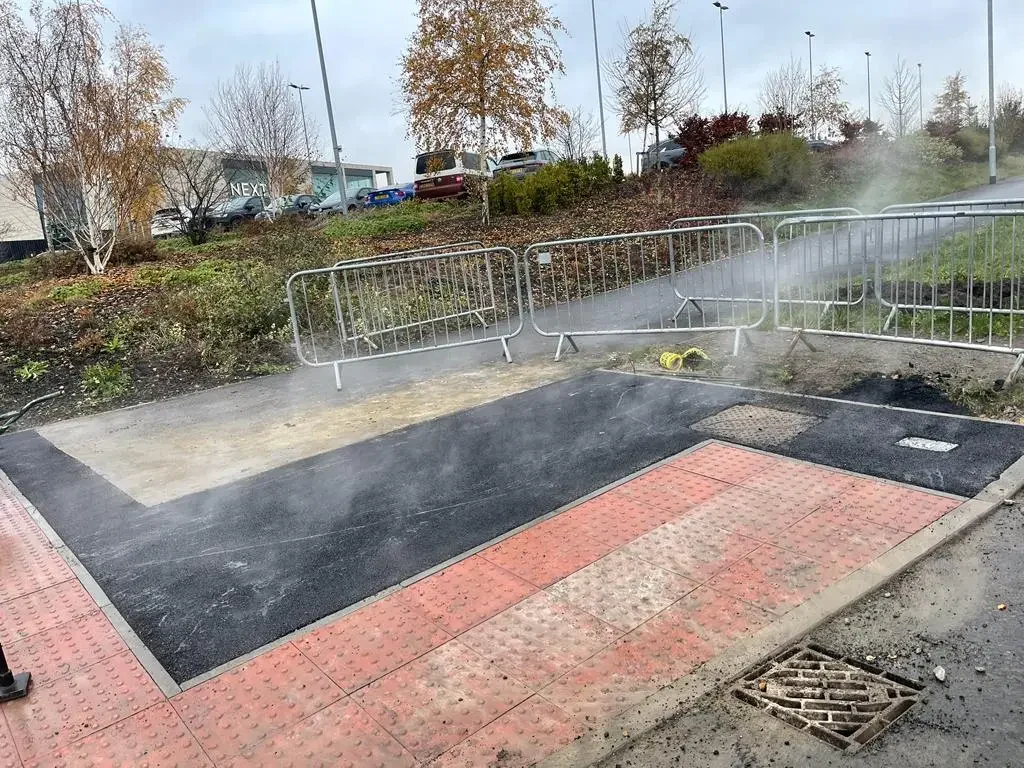
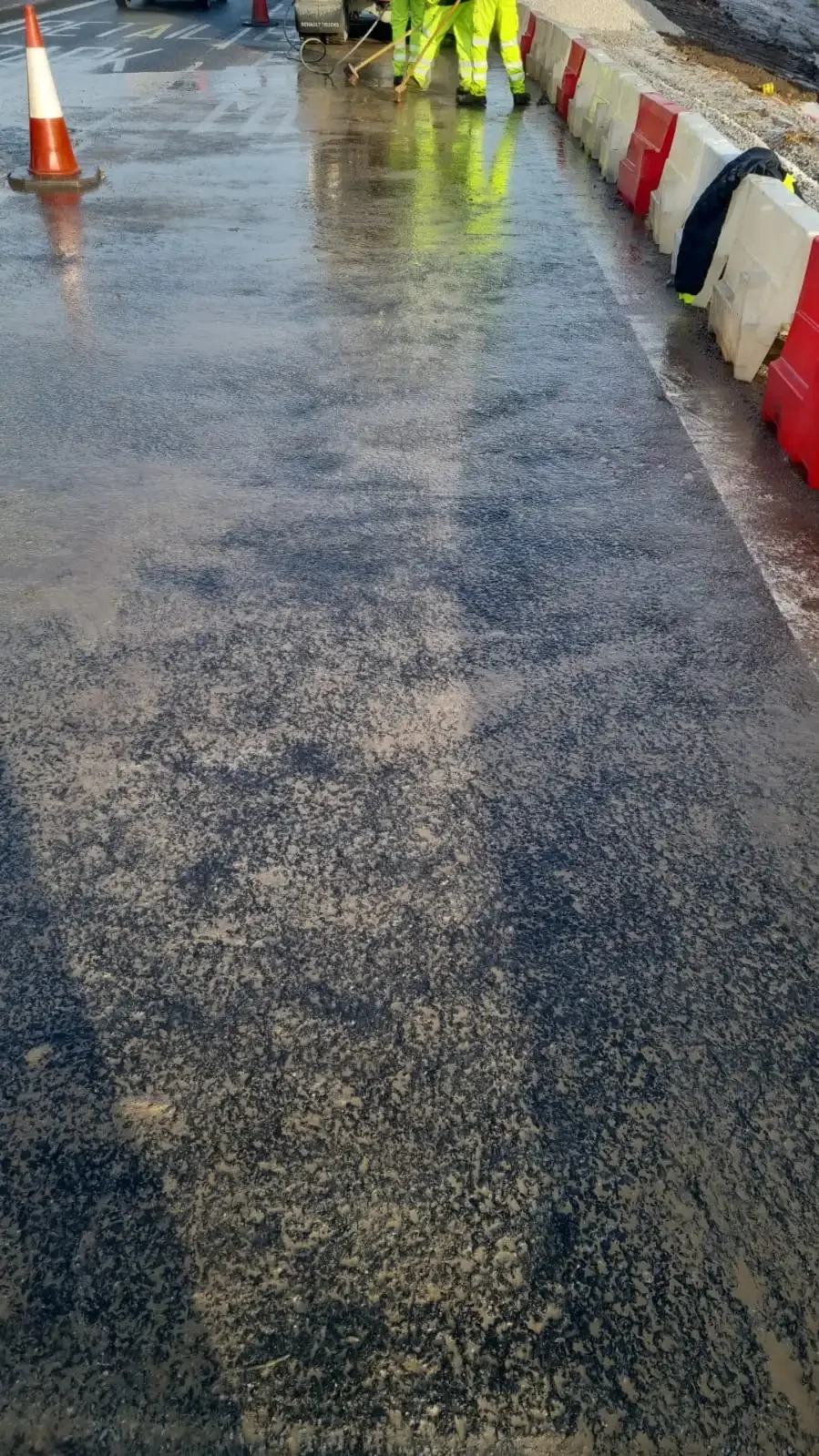
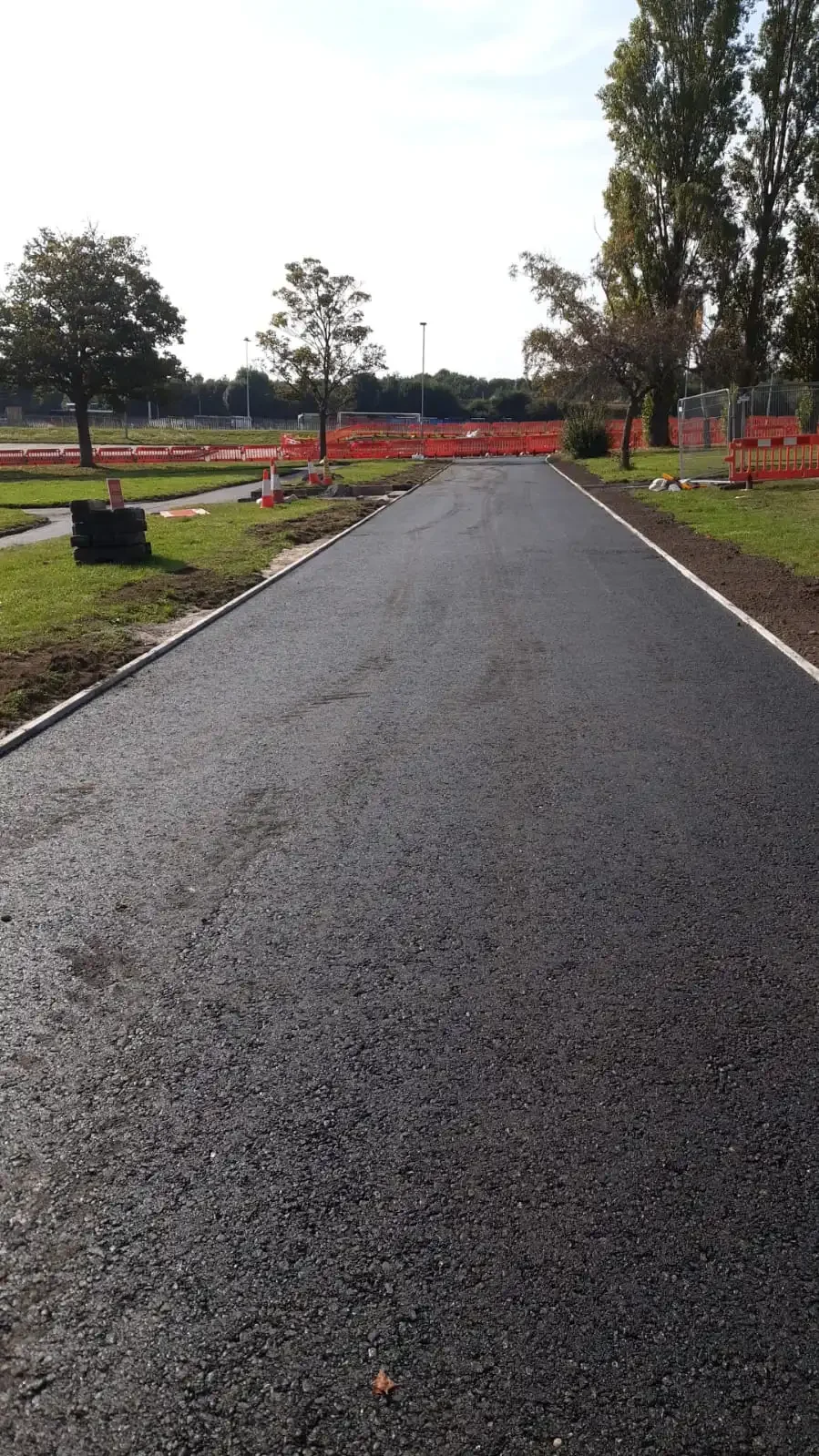
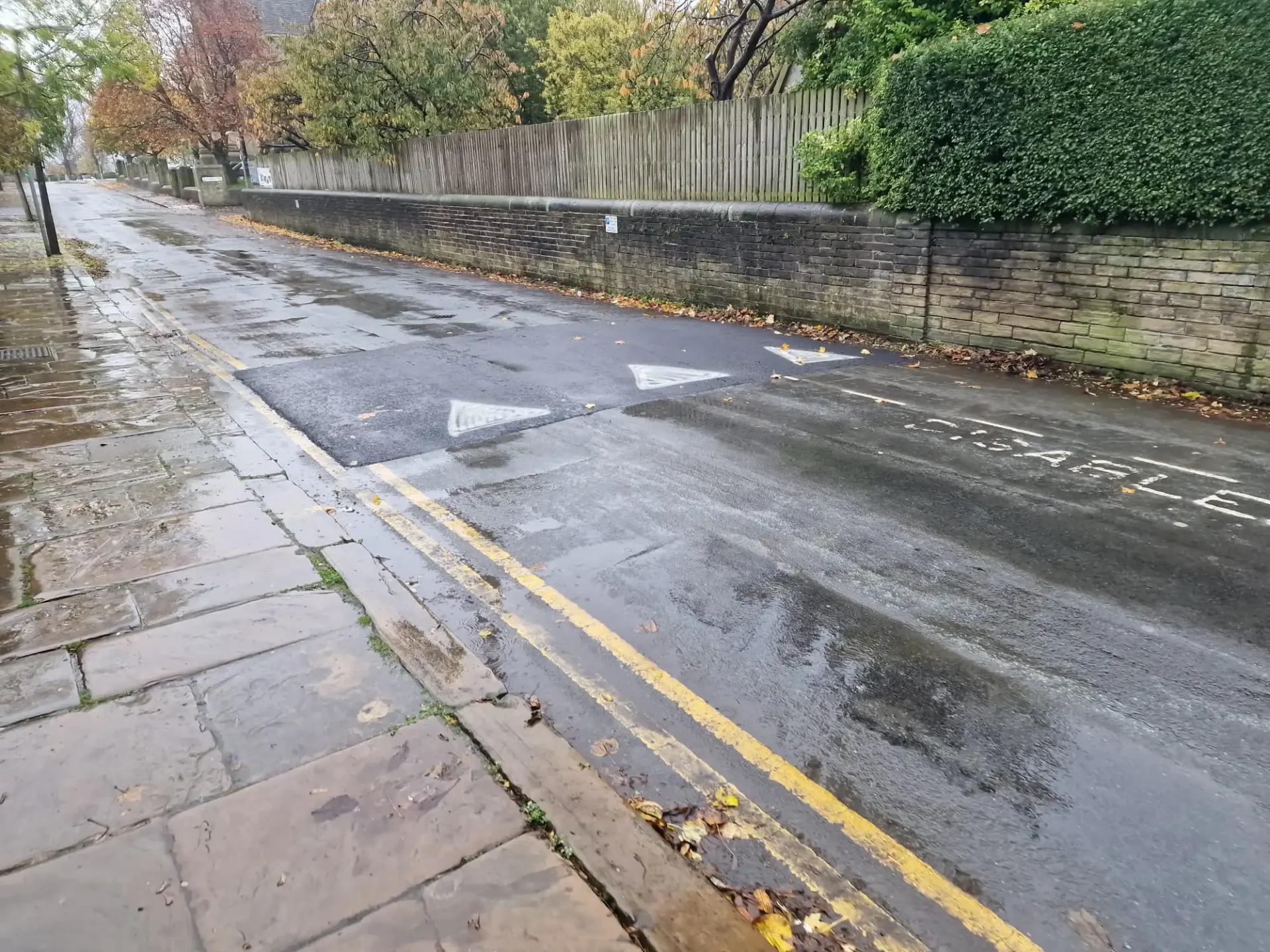
The carriageway widening added lanes to increase capacity through the junction. More lanes mean more vehicles can move through without backing up, and the additional width makes merging and lane changes more predictable for drivers — which is where a lot of motorway incidents start. Alongside the widening, the road surface was fully renewed and new kerbing installed to define the carriageway edges cleanly and keep vehicles away from the hard shoulder.
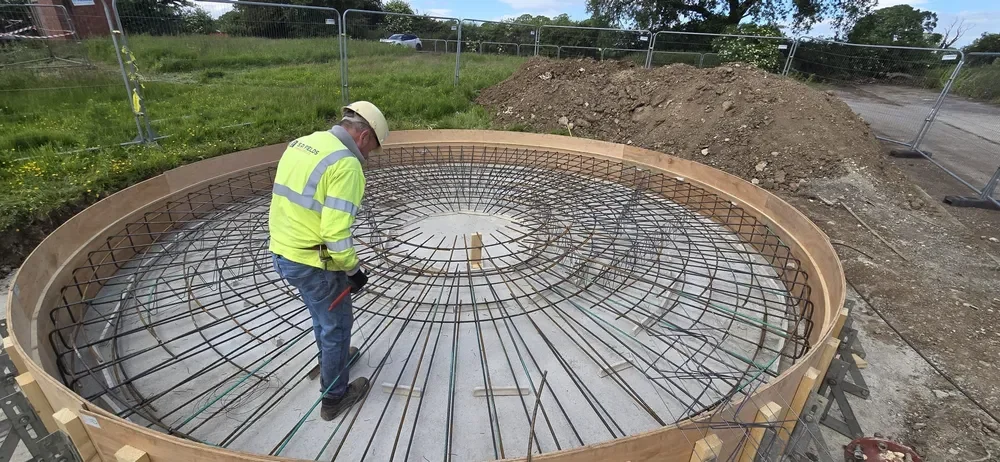
Each element of the works was dependent on the others being sequenced correctly. Ducting goes in before resurfacing. Kerbing ties into the widening geometry. Getting the order wrong on a live motorway junction isn’t an option.
The Result
Junction 46 came out of the programme with improved capacity, a renewed surface, properly defined edges, and utility infrastructure in place to support the road for years ahead — all without the kind of long-term closures that a scheme of this scope could easily have required.