Fixing Drainage on Bishop Street, Leeds Client: Leeds City Council
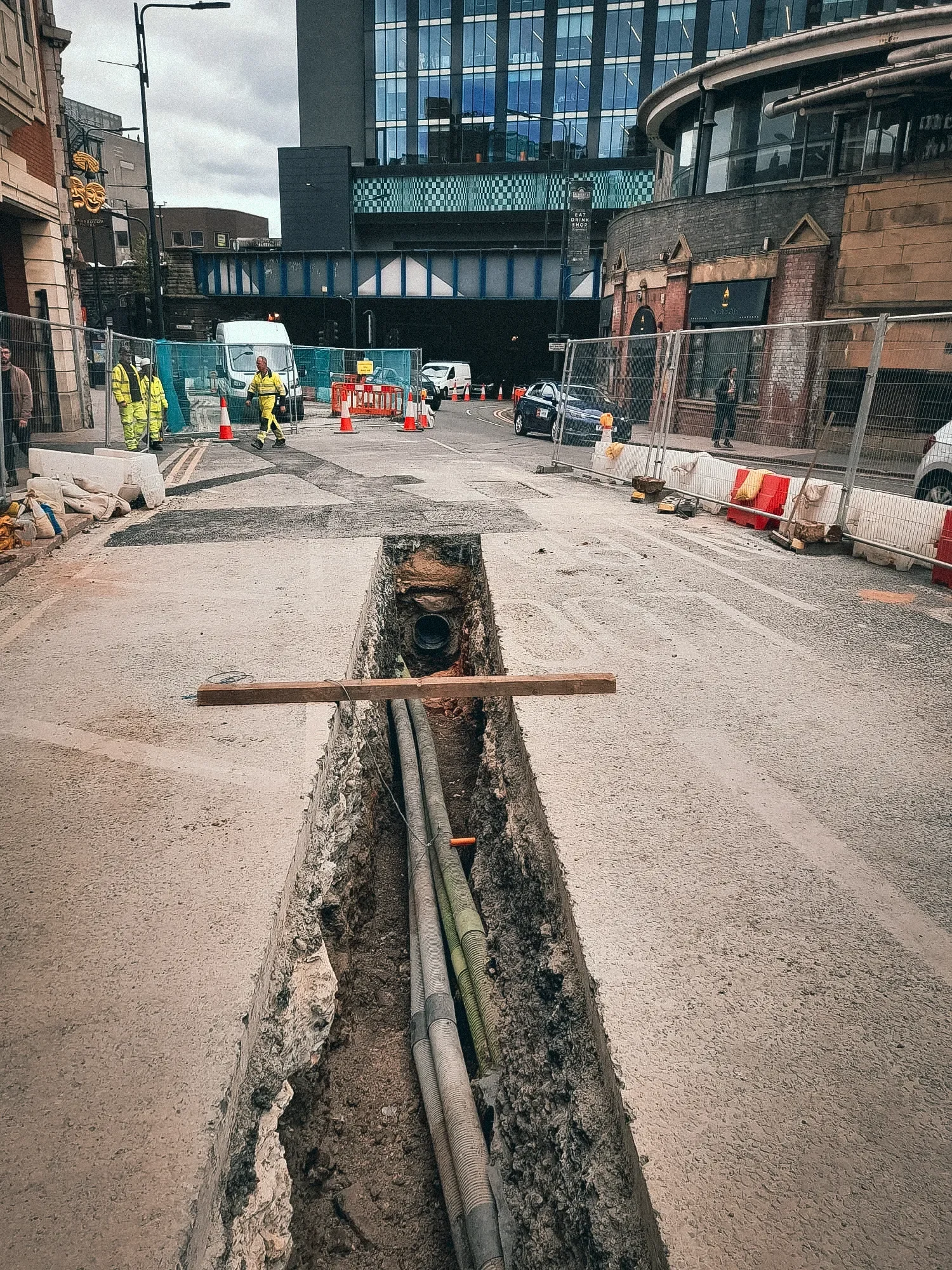
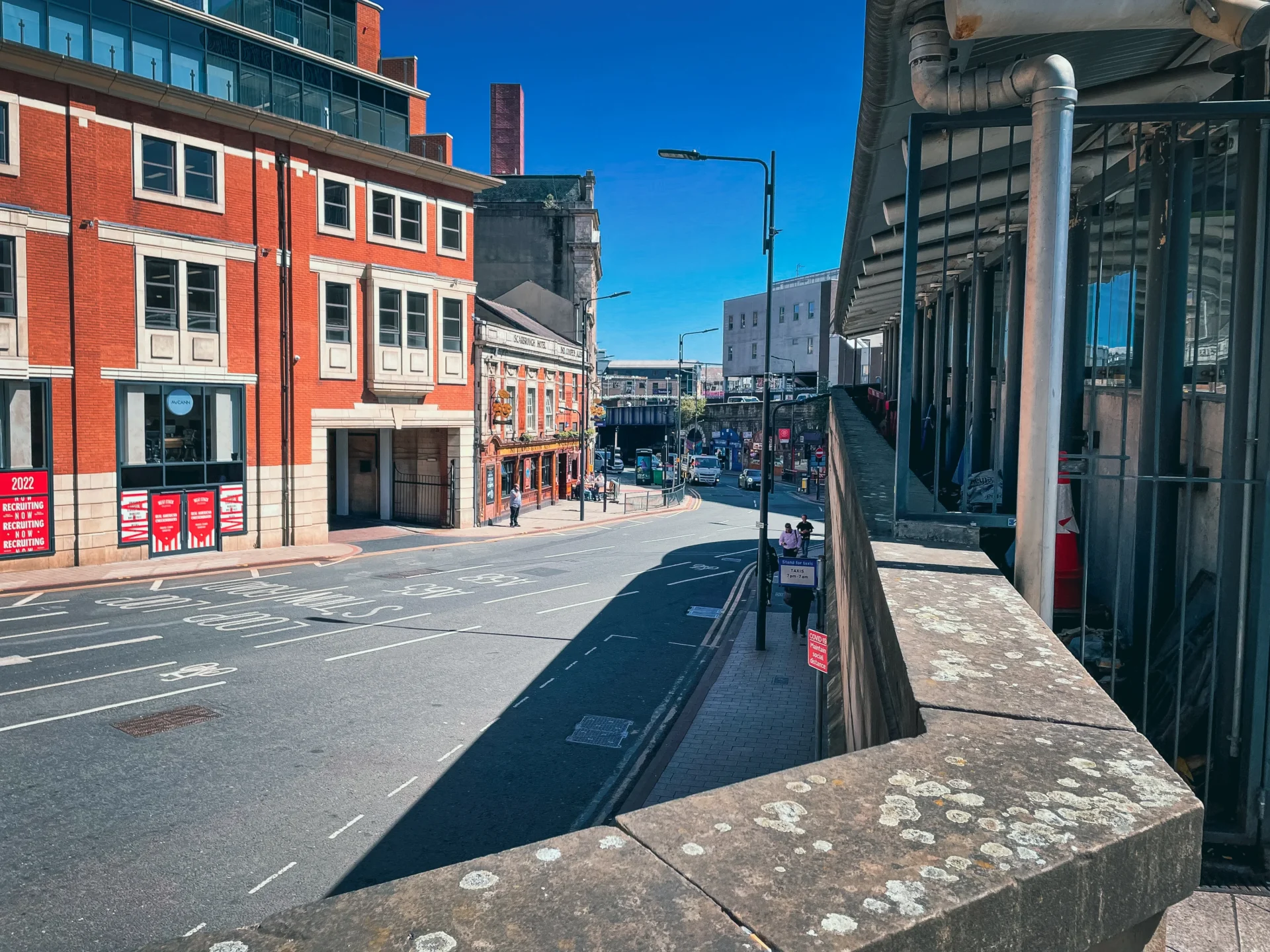
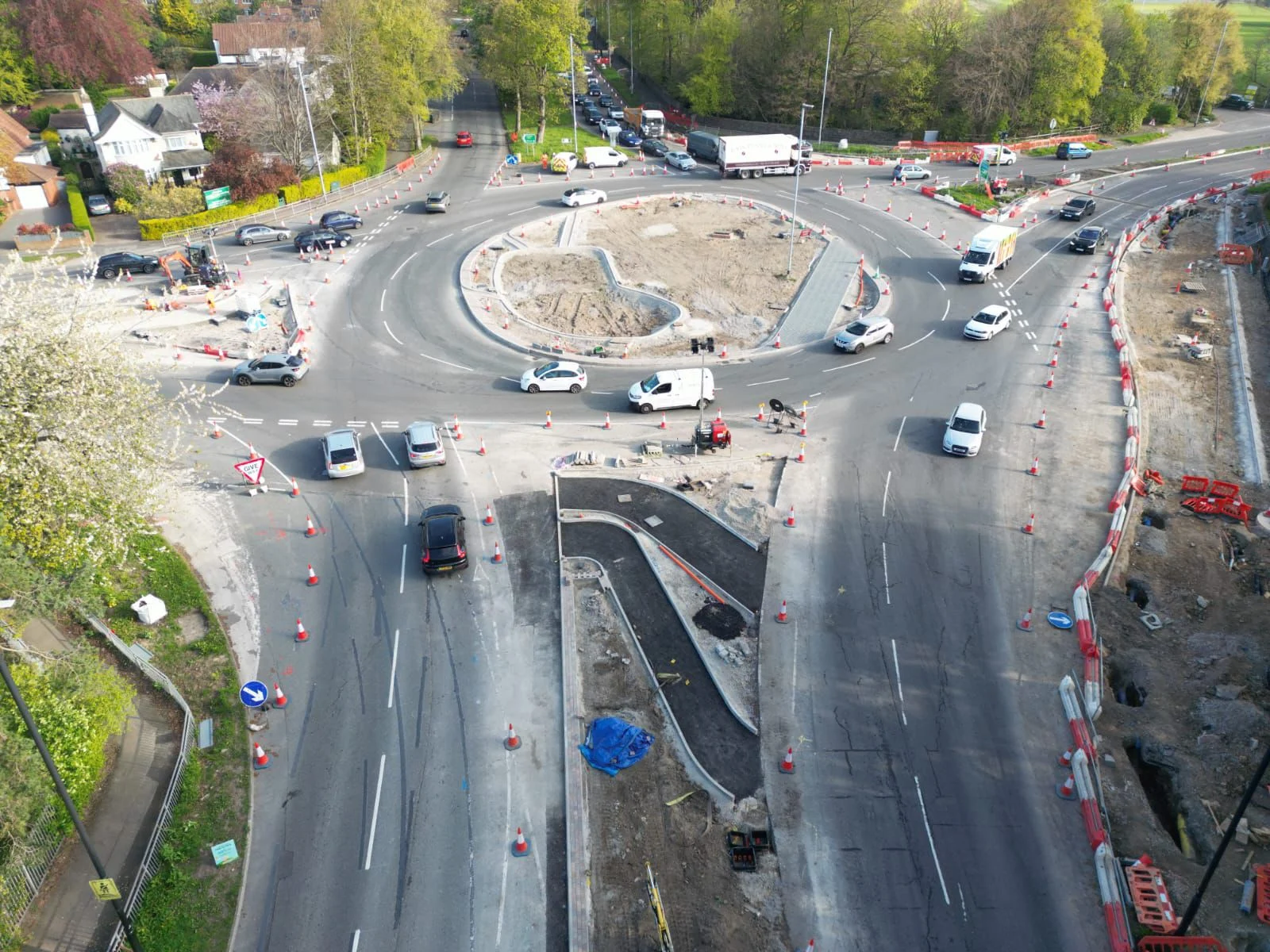
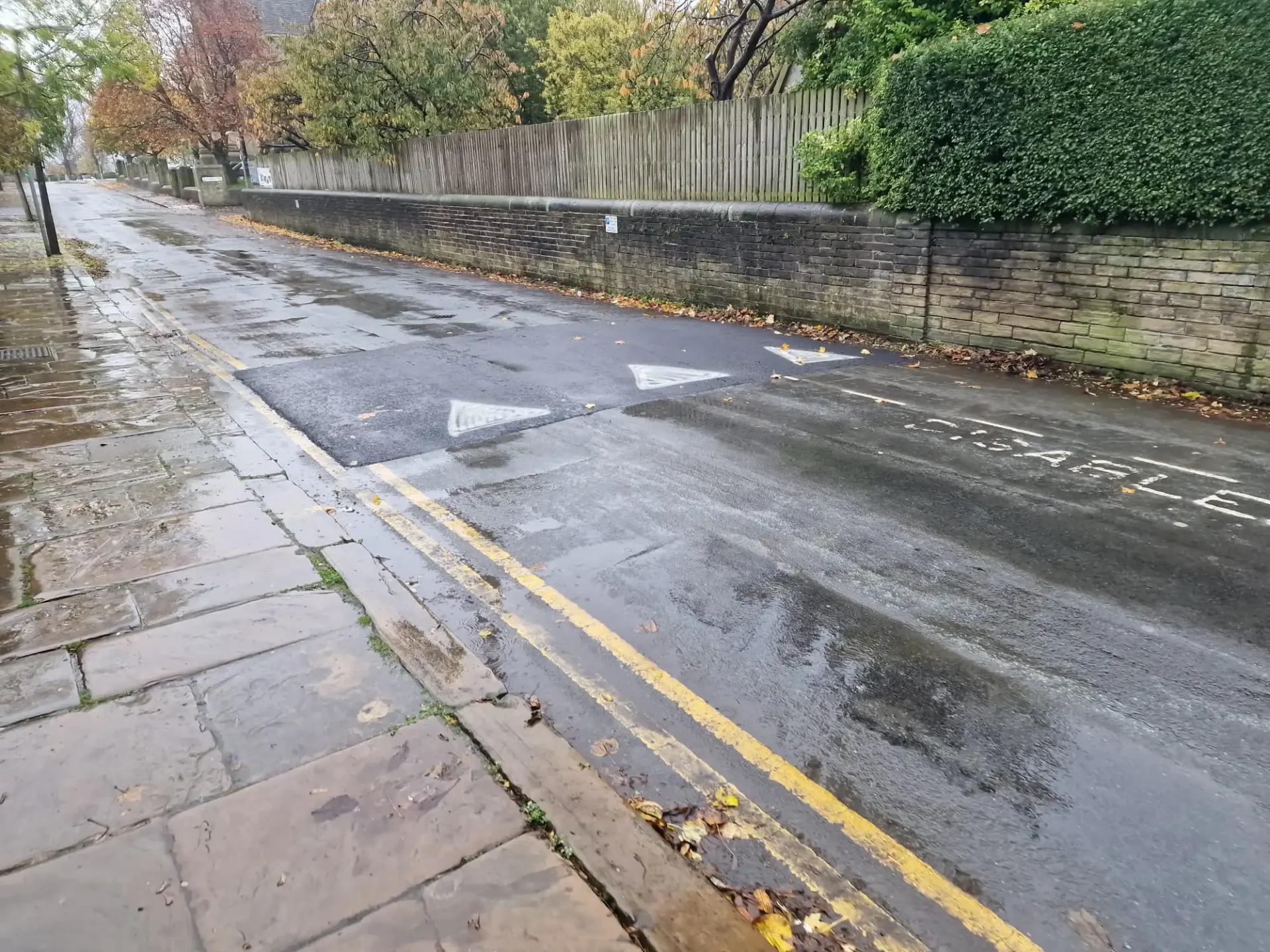
Bishop Street is a residential street — people live on it, park on it, and use it every day. That made this drainage job more complicated than most. Leeds City Council needed a new drainage system installed to support an upcoming cycle route, and the work had to happen without cutting residents off from their own homes.
The Challenge
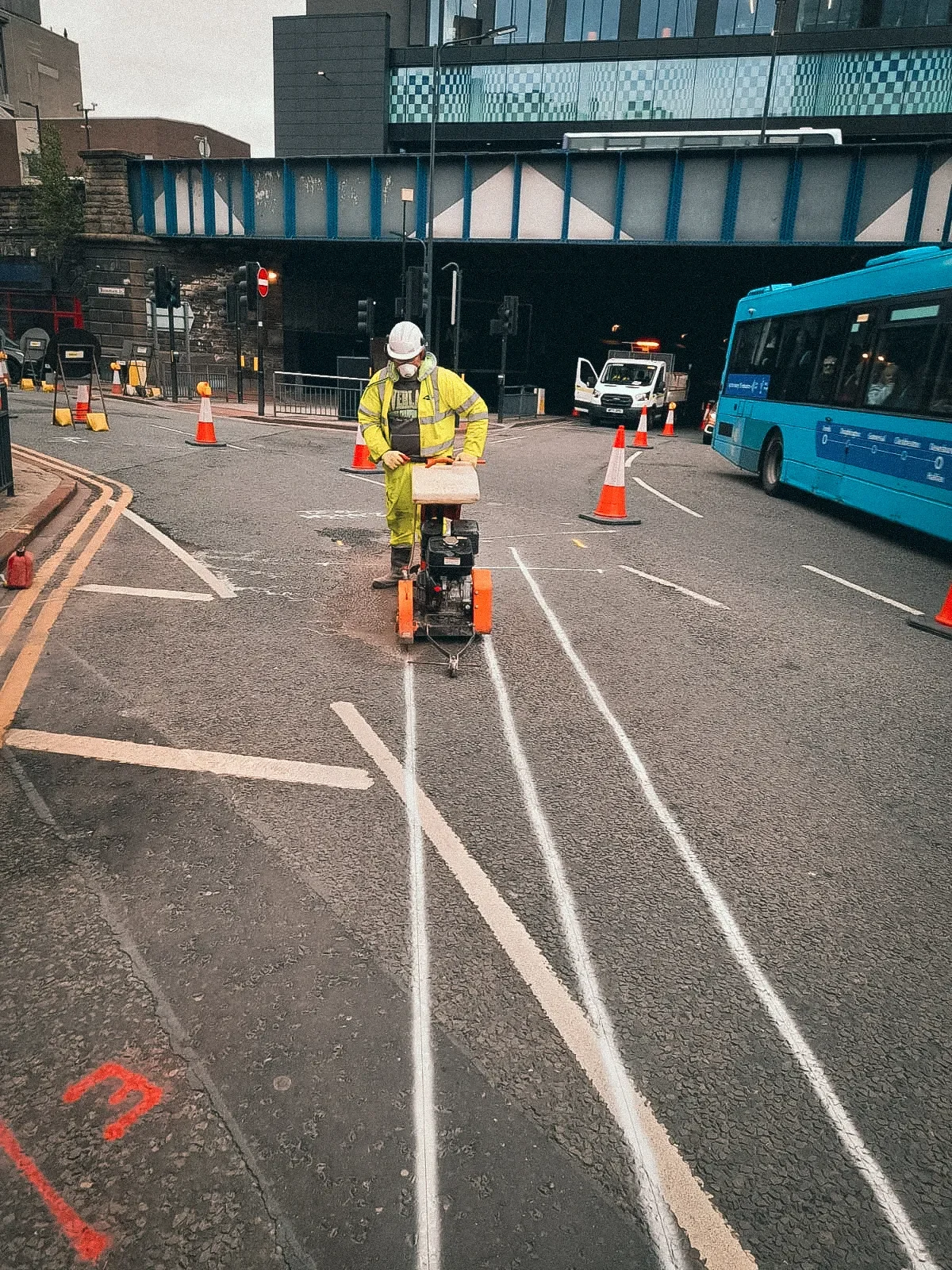
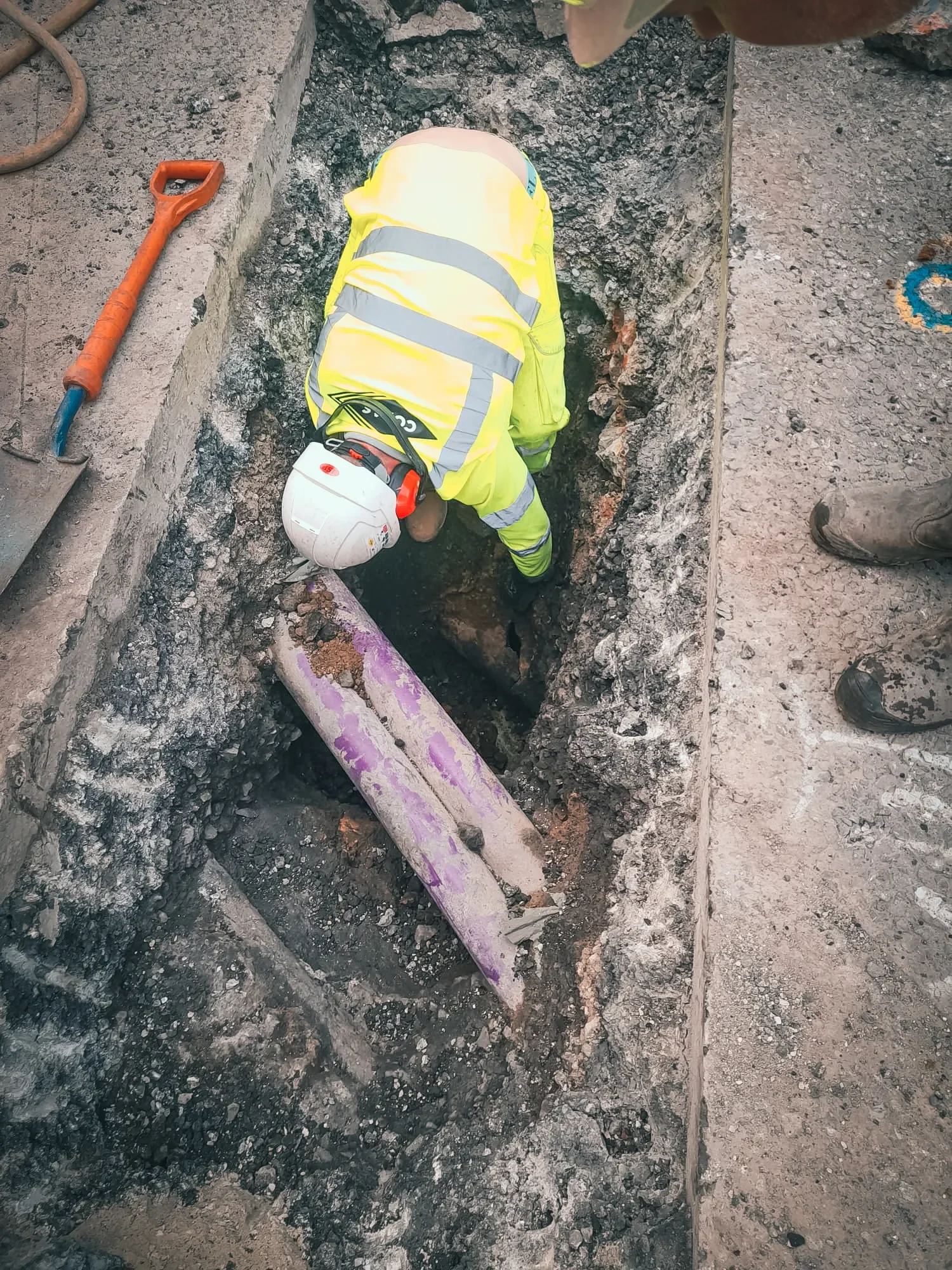
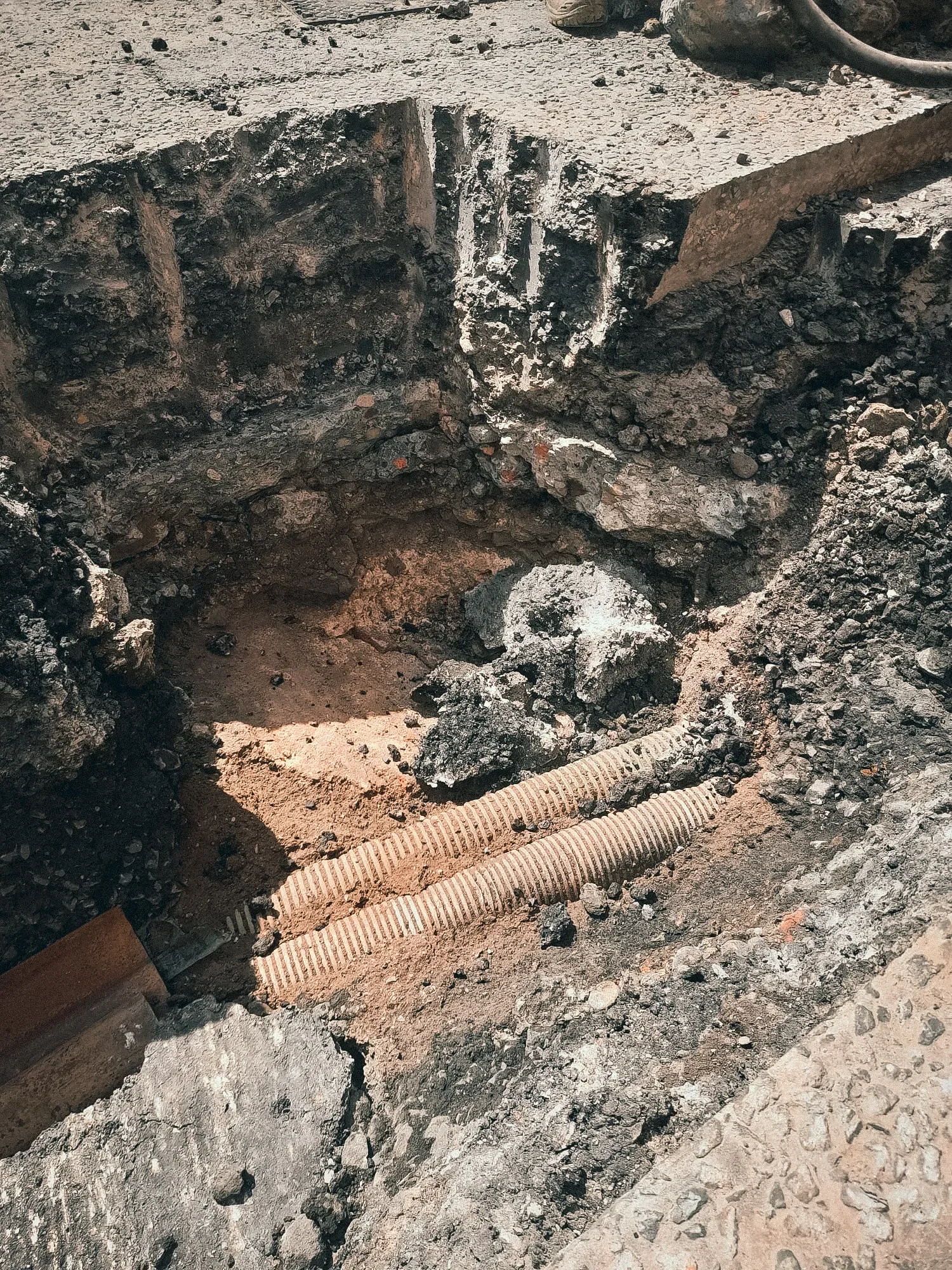
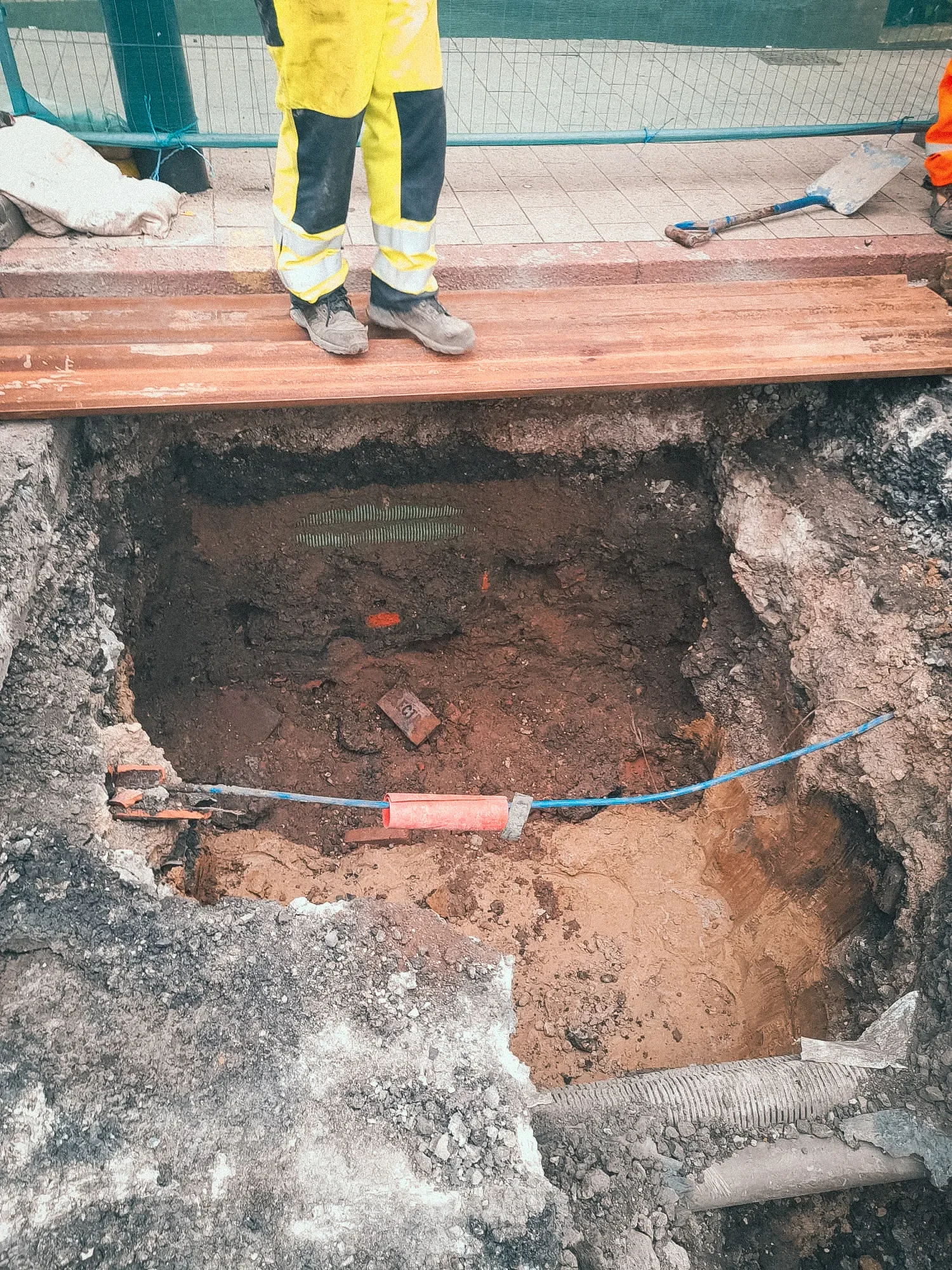
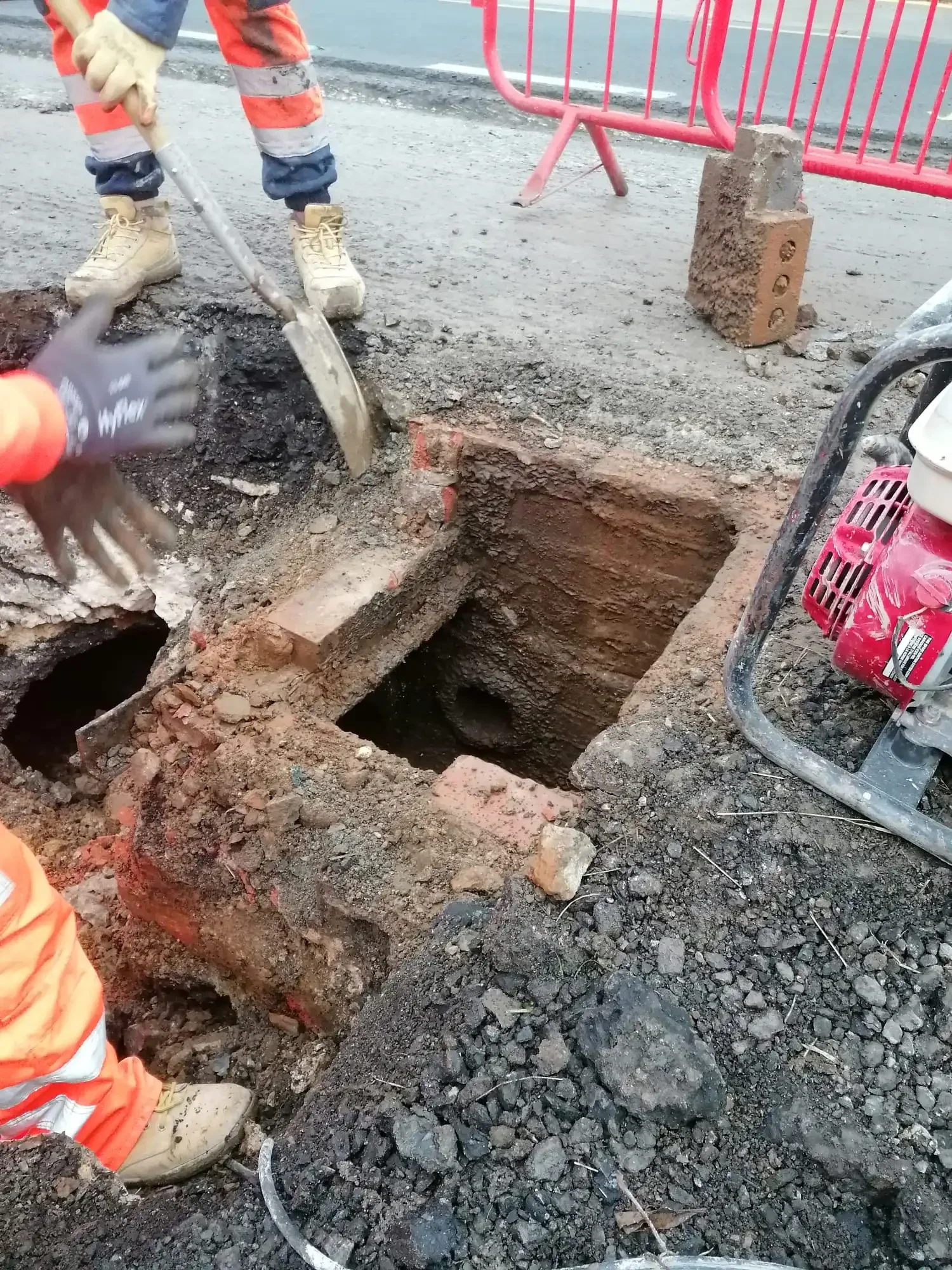
Two things made this job tricky from the start. First, the street had to stay accessible throughout — no option to just close it off and crack on. Second, nobody had a clear picture of what was buried underground. Unknown utilities under a busy residential street means one wrong dig can turn a drainage job into something far worse.
How We Approached It
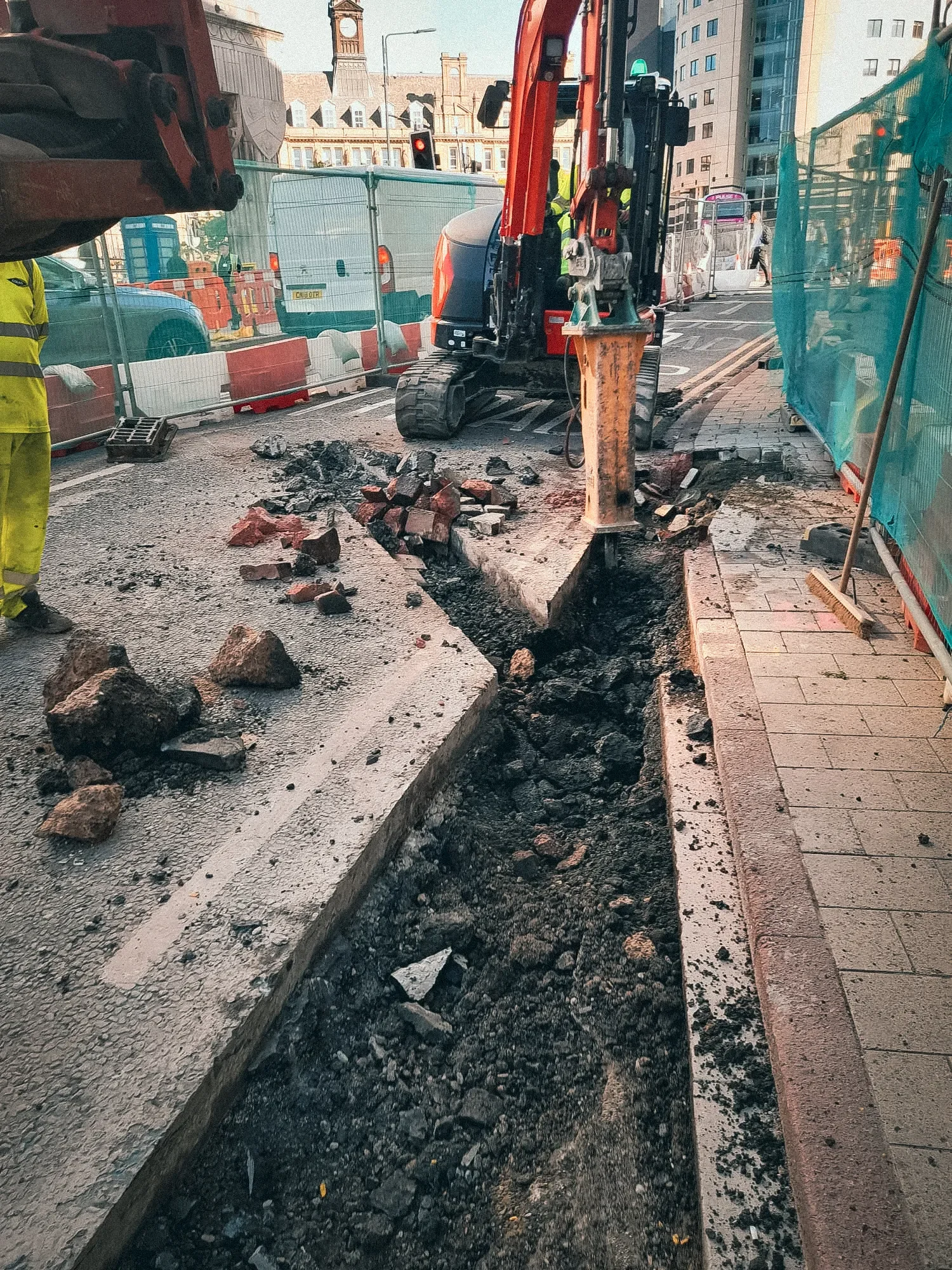
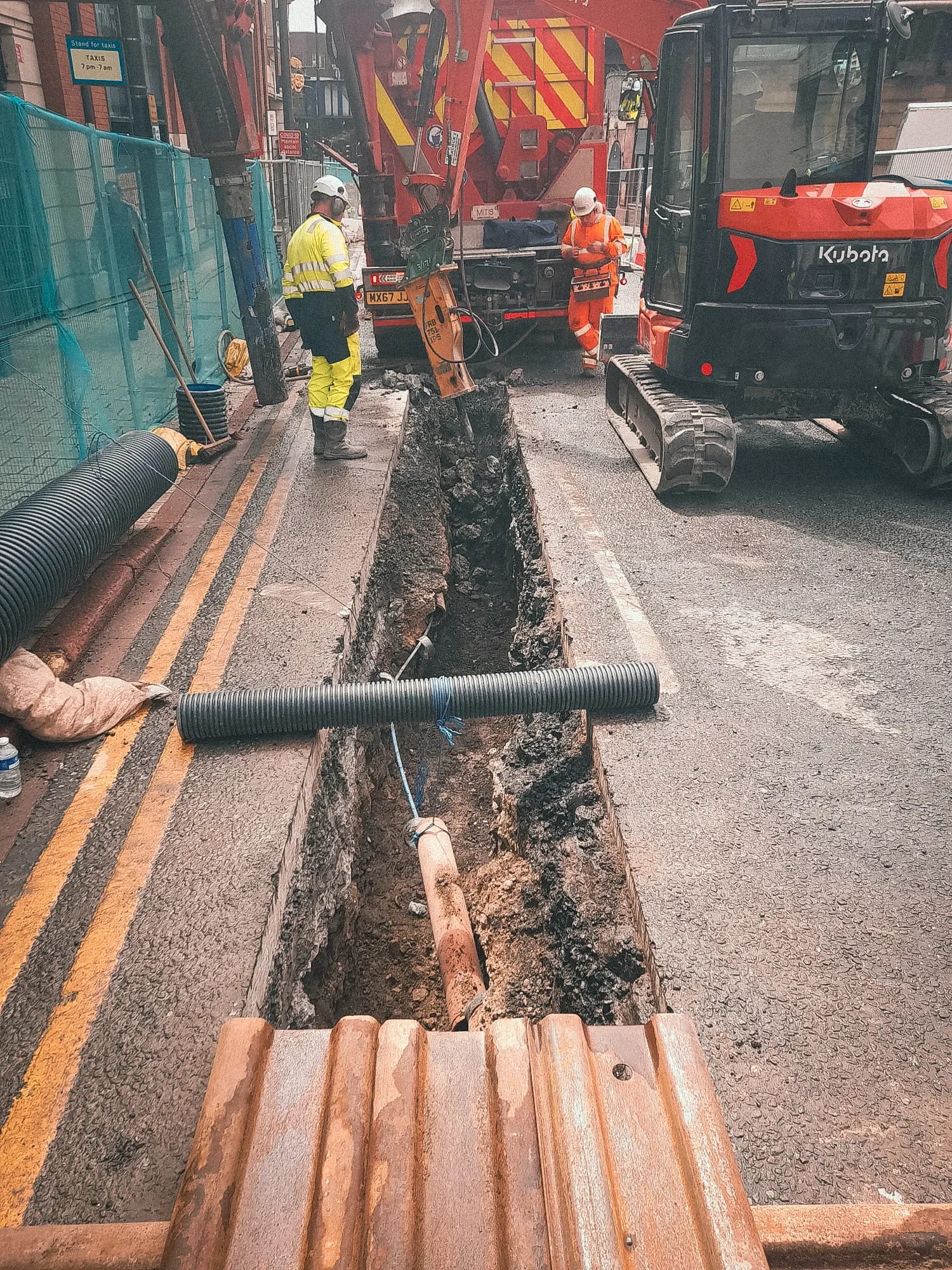
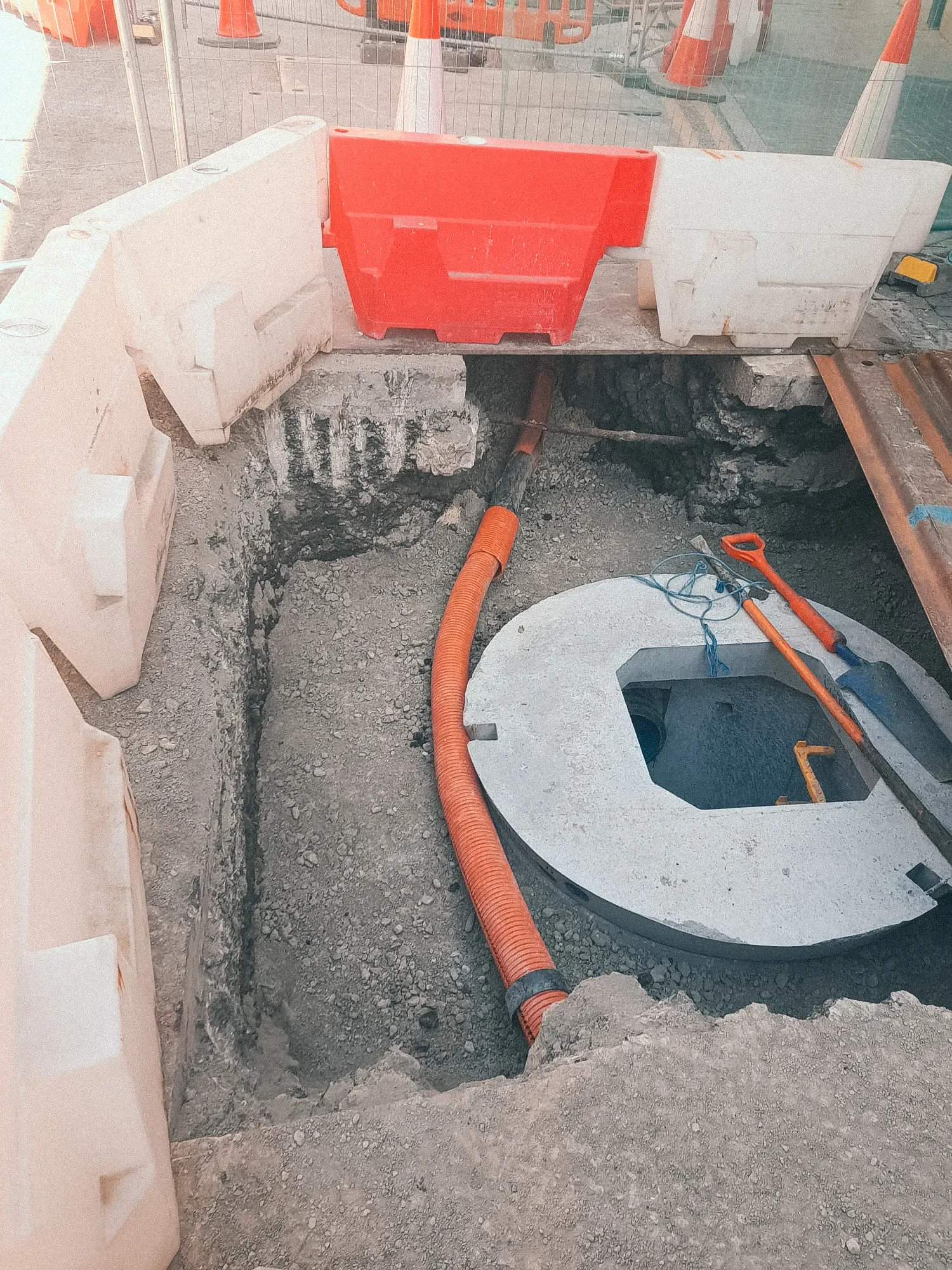
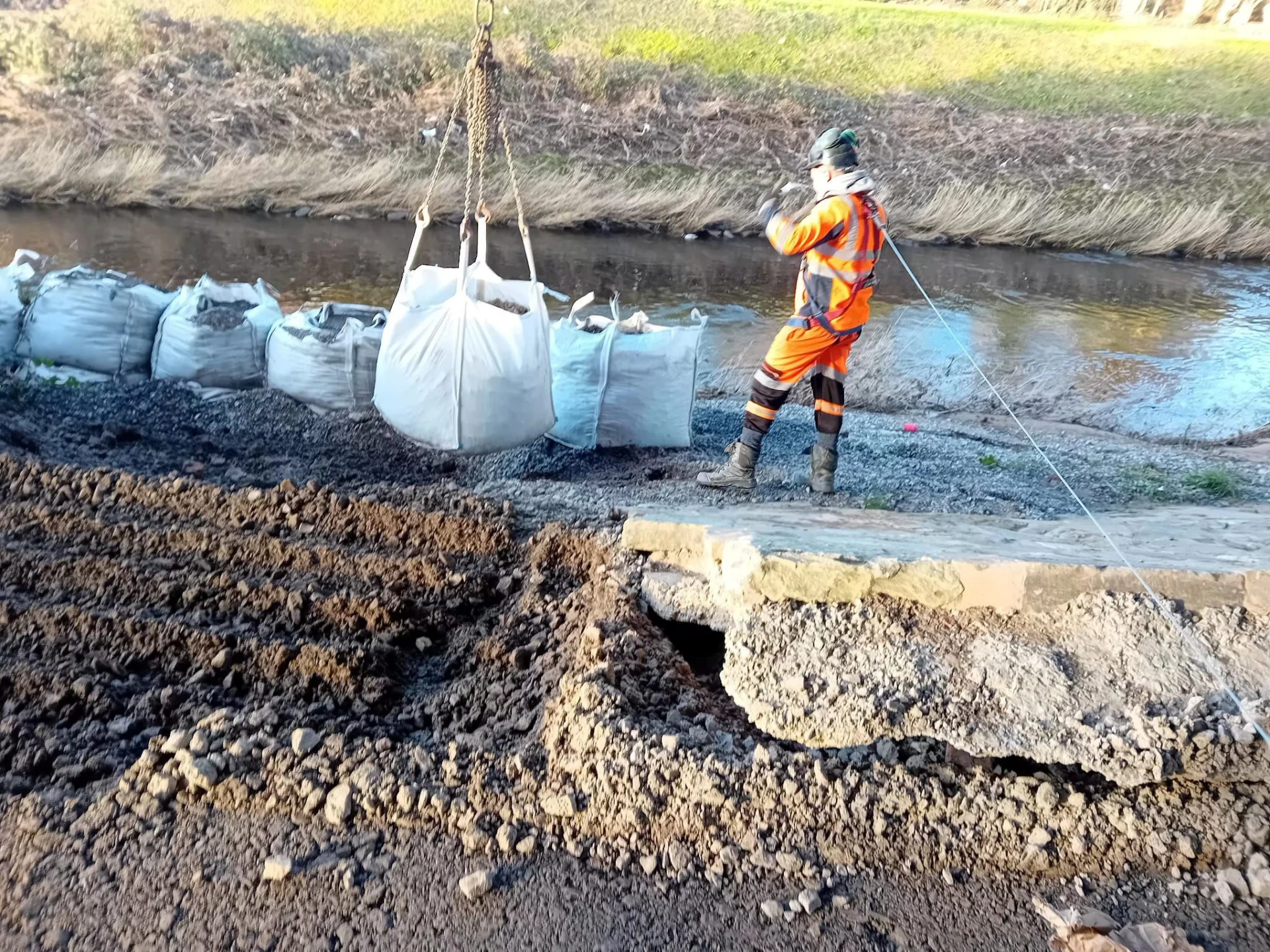
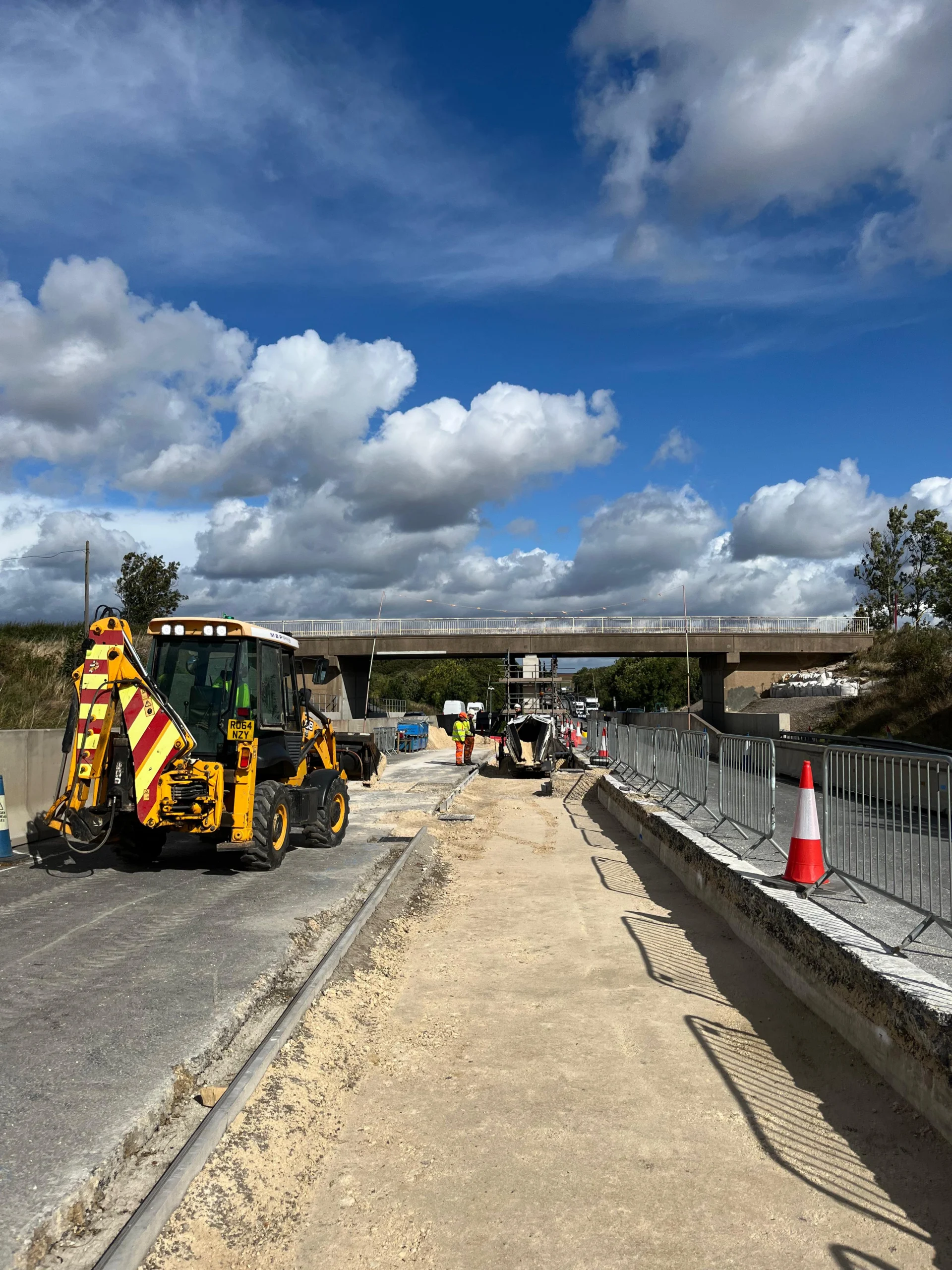
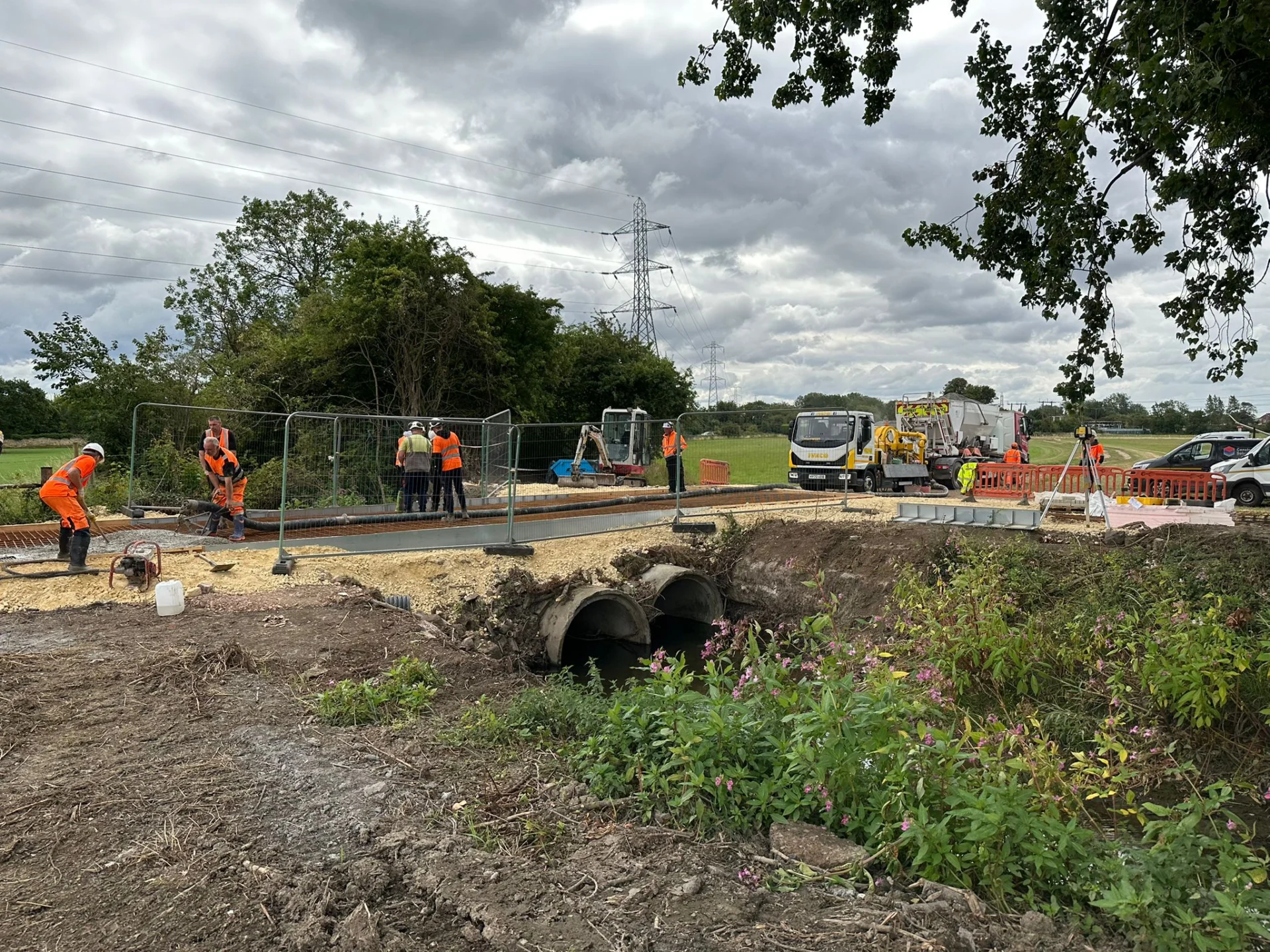
The access problem was solved with water barriers and fencing that kept a safe corridor open for residents at all times. For the underground risk, we brought in vacuum excavation equipment — it’s slower than a conventional dig but it’s precise, and precision mattered here. No utilities were damaged throughout the entire project.
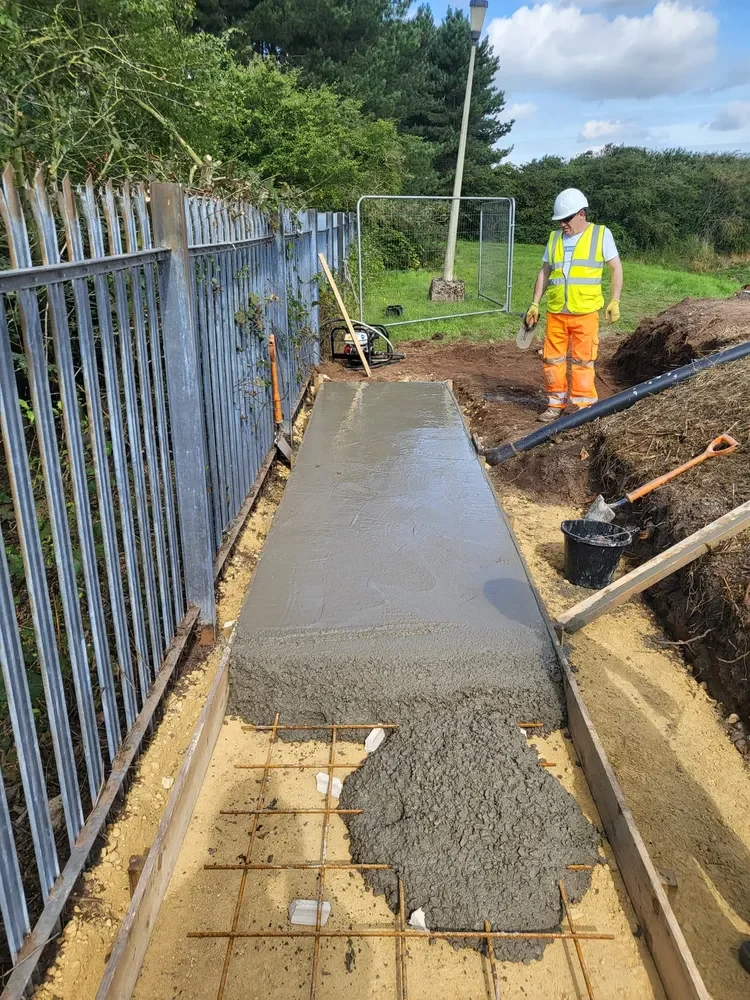
The drainage installation itself covered 200 metres of pipe, four catch pits, and 13 gullies. The design also had to flex as the team progressed — ground conditions don’t always match what’s on paper, so the drainage layout was adjusted on-site where needed to make sure it tied in properly with the existing infrastructure.
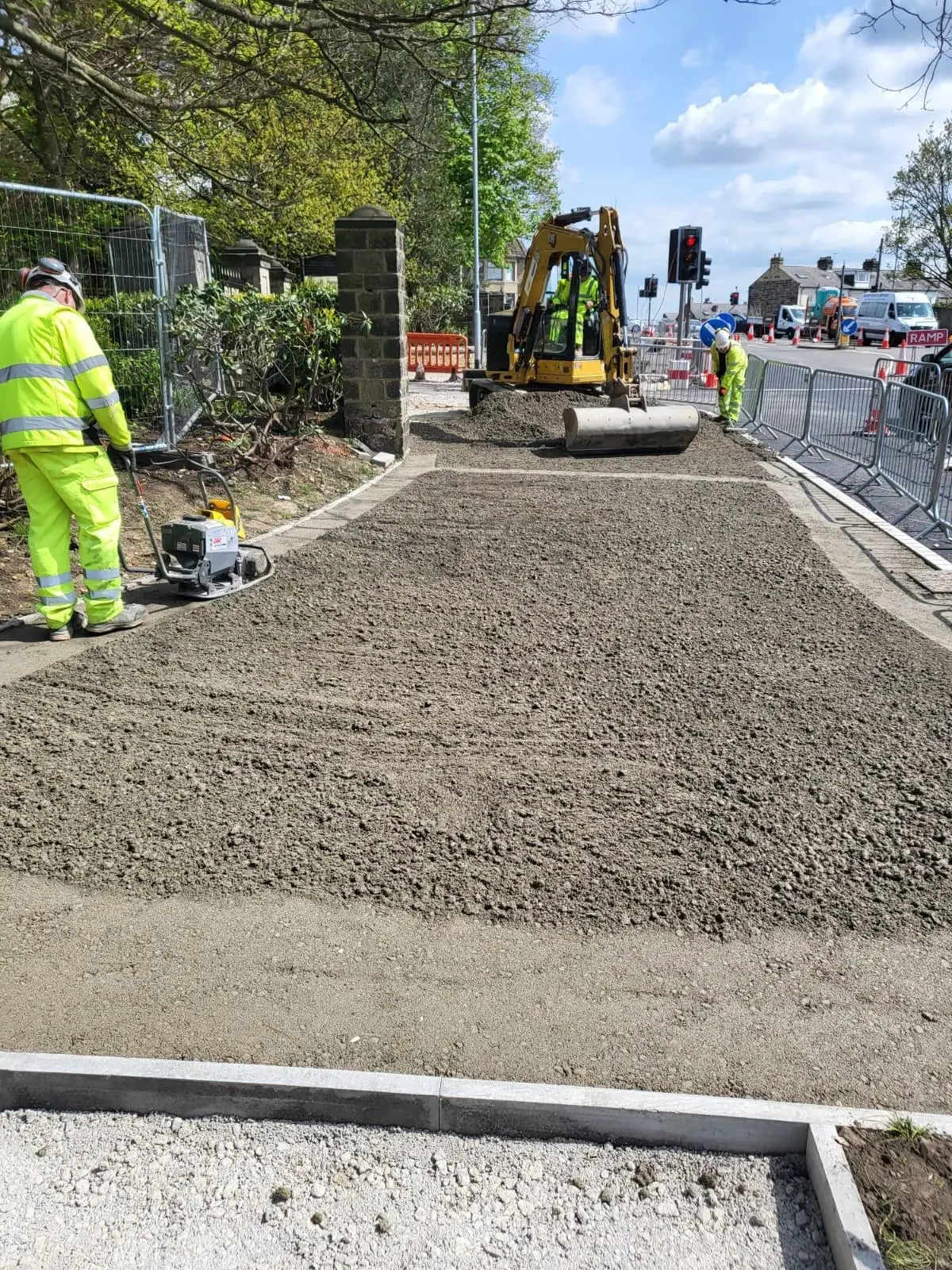
An 8-tonne excavator and an experienced crew completed the works over six weeks.
The Result
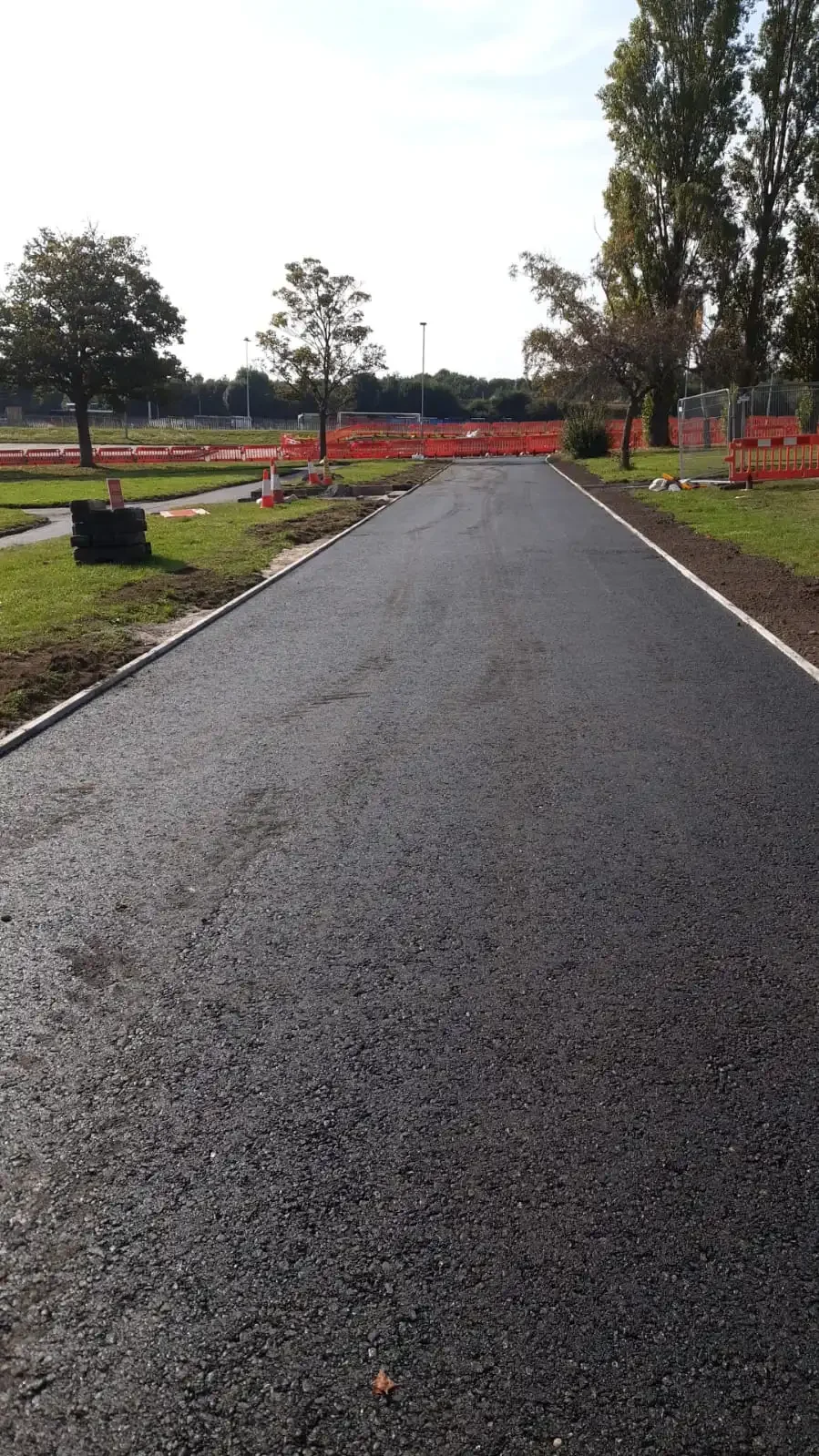
The drainage system was installed on time and in line with the Council’s requirements. Residents had access to their homes throughout. No underground services were hit. The site is now ready for the next phase of Leeds’ cycle route development.